


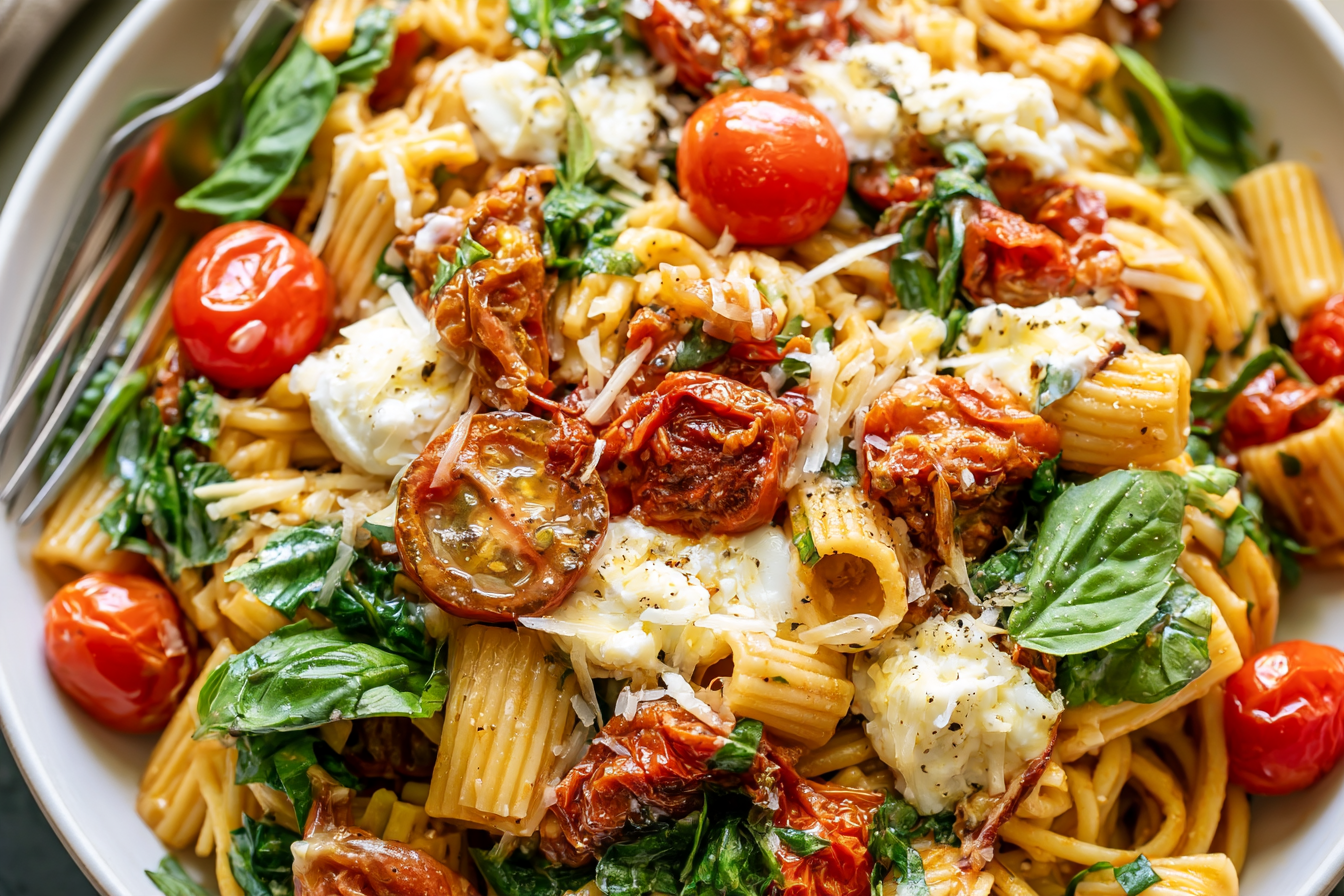
The kitchen smells like sunshine—zesty lemon, warm garlic and butter, and the sweet, green snap of basil. This lemon basil shrimp pasta hits that bright, summery note every time.
- Why this lemon basil shrimp pasta works
- Ingredients for lemon basil shrimp pasta
- Step-by-step: cooking the lemon basil shrimp pasta
- What makes this version different
- Ingredient spotlight and swaps
- Make-ahead, storage, and reheating
- Serving suggestions and pairings
- Common mistakes and how to avoid them
- FAQ
- Variations and flavor twists
- Final thoughts
Light enough for a warm evening but satisfying enough to feel like dinner, this pasta layers simple ingredients into something lively and elegant. It’s one of those failsafe summer pasta recipes you’ll turn to when tomatoes taste like fruit and basil is exploding out of the garden.
Why this lemon basil shrimp pasta works
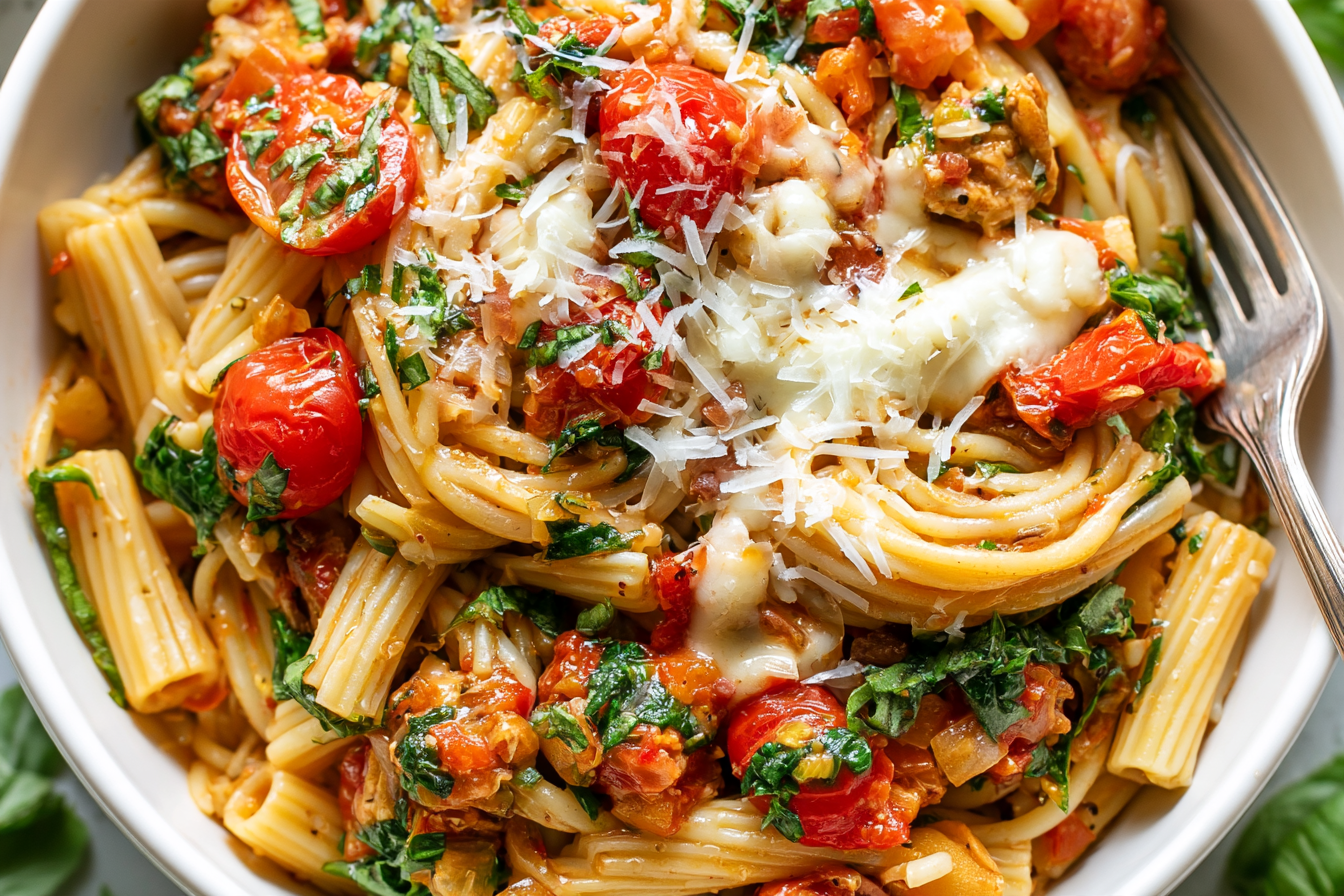
This version balances fat and acid so the dish never feels heavy. Butter and olive oil give silk, while the lemon and reserved pasta water add lift without weighing the shrimp down. Fresh basil and a splash of white wine bring a fragrant, restaurant-style finish that’s surprisingly easy at home.
Ingredients for lemon basil shrimp pasta
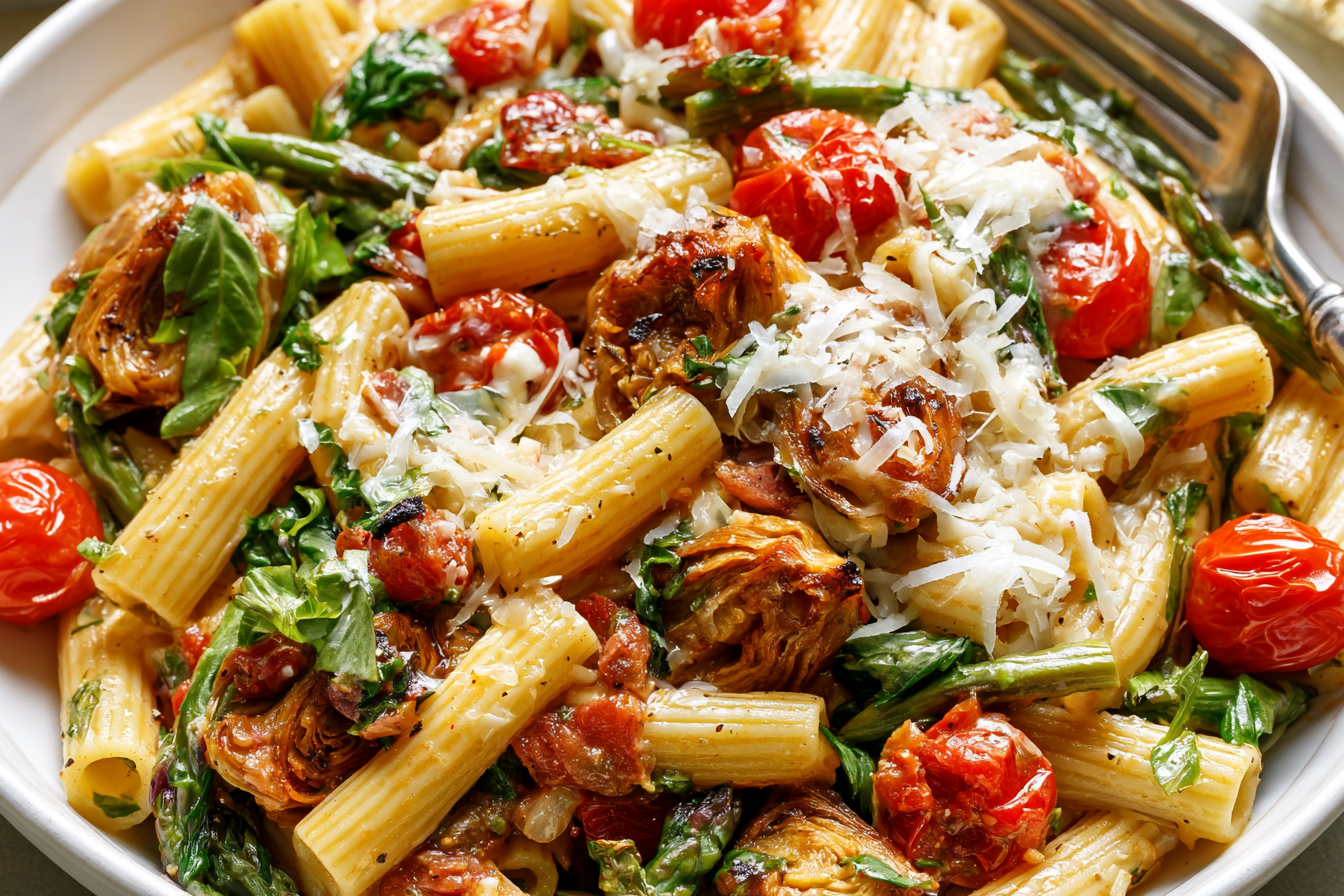
Measurements below make enough to serve 4. The ingredients are intentionally simple — no cream, no long reductions — just timing and quality items.
Pasta
- 12 ounces spaghetti or linguine
- Salt for pasta water
- 1/2 cup reserved pasta water (as needed)
Shrimp
- 1 1/2 pounds large shrimp, peeled and deveined (16-20 count)
- 1/2 teaspoon kosher salt
- 1/4 teaspoon black pepper
- 1/4 teaspoon red pepper flakes (optional)
- 1 tablespoon olive oil (for searing)
Sauce & finishing
- 3 tablespoons unsalted butter
- 2 tablespoons extra-virgin olive oil
- 4 garlic cloves, thinly sliced
- 1/3 cup dry white wine or chicken broth
- Zest and juice of 1 large lemon (about 3 tablespoons juice)
- 1/2 cup packed fresh basil leaves, sliced chiffonade
- 1/3 cup freshly grated Parmesan, plus extra to serve
- Freshly ground black pepper, to taste
- Flaky sea salt, to finish
Step-by-step: cooking the lemon basil shrimp pasta
Timing is the secret here: cook the pasta and shrimp so they meet the sauce in perfect synchrony. I break the process into manageable stages—prep, pasta, shrimp, sauce, and finish.
1 — Prep and heat
Bring a large pot of water to a rolling boil; salt generously so the pasta tastes seasoned through. While the water heats, pat the shrimp dry with paper towels and season with salt, pepper, and red pepper flakes if using.
2 — Cook the pasta
Add the spaghetti to the boiling water and cook to al dente according to package directions (usually 8–10 minutes). Before draining, scoop out and reserve 1/2–1 cup of pasta water. You want some starchy liquid to help the sauce cling.
3 — Sear the shrimp
Meanwhile, heat 1 tablespoon olive oil in a large skillet over medium-high heat. Add shrimp in a single layer and sear 1½–2 minutes per side until pink and slightly golden. Remove shrimp to a plate.
Note: Shrimp cook very quickly—watch closely. Overcooked shrimp become rubbery.
4 — Build the sauce
Reduce heat to medium. Add the butter and olive oil to the skillet. When the butter foams, add the sliced garlic and sauté until fragrant and just golden, about 30–45 seconds. Pour in white wine (or broth) and let it simmer until slightly reduced, about 2 minutes.
Add lemon zest and juice, then stir in 1/3 cup Parmesan. Slowly add a splash of reserved pasta water to create a silky emulsion; the mixture should be saucy but not soupy. Season to taste.
5 — Combine everything
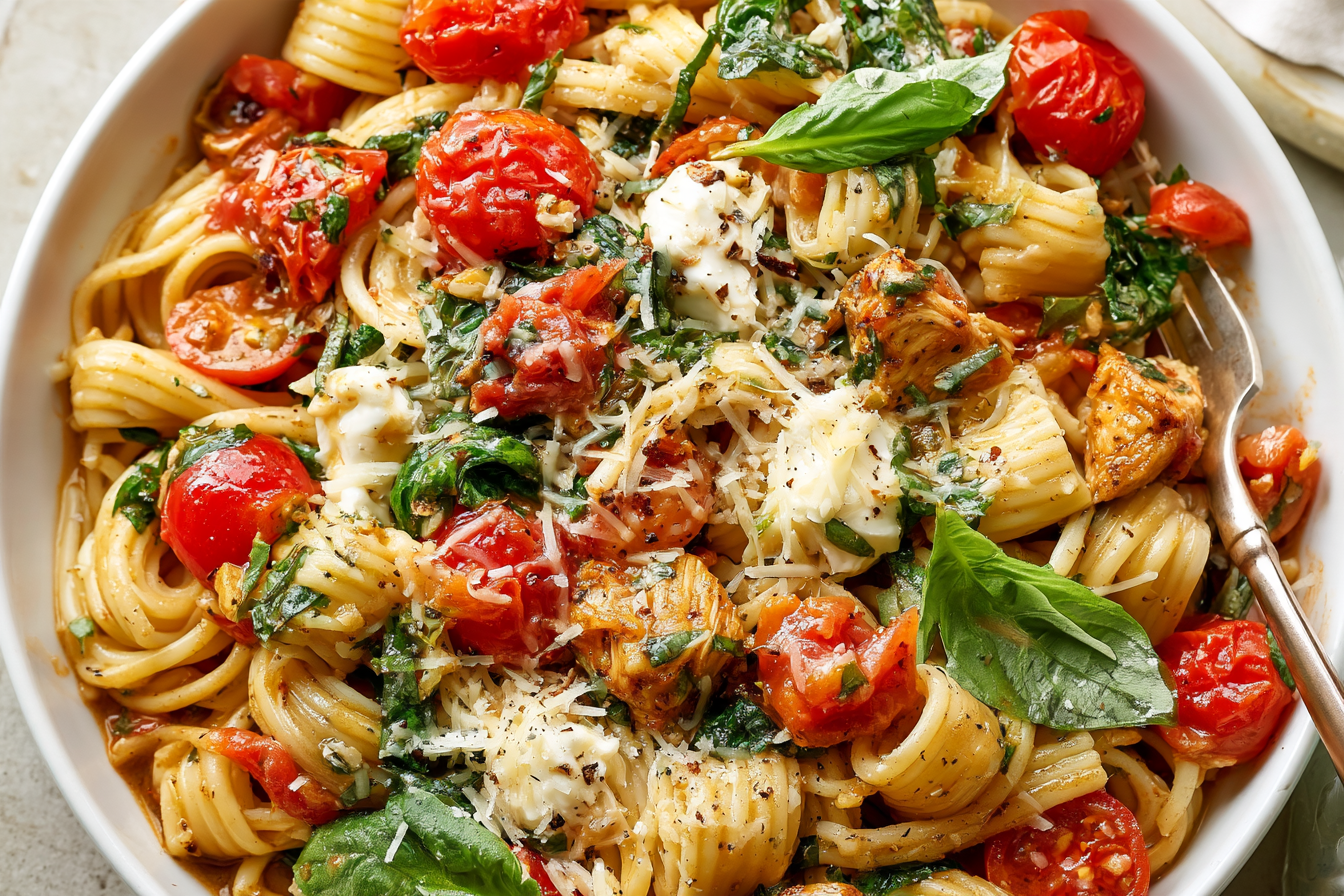
Add the drained pasta to the skillet along with the shrimp and chopped basil. Toss vigorously, adding reserved pasta water a tablespoon at a time until the sauce coats the noodles. Taste and adjust salt, pepper, and lemon if needed.
Tip: Tossing the pasta in the skillet with the sauce for 30–60 seconds allows the starches to marry the fats for a glossy finish — that’s the restaurant-worthy sheen you’re aiming for.
6 — Plate and garnish
Serve immediately with extra Parmesan, torn basil leaves, and a sprinkle of flaky sea salt. Freshly cracked black pepper over the top brightens every bite.
What makes this version different
Many lemon shrimp pastas rely on cream to stretch a sauce. This version skips cream and leans on technique—emulsifying butter, using pasta water, and finishing with bright lemon and basil. The result is lighter but still rich and luxurious.
Ingredient spotlight and swaps
Fresh shrimp: Use the freshest you can find. If using frozen, thaw in the fridge and pat dry thoroughly.
Lemon: Zest first, then juice; using both gives layered citrus flavor. Meyer lemons are a lovely swap for a sweeter, floral note.
Wine: If you prefer no alcohol, use low-sodium chicken or vegetable broth. The acidity is necessary, so add an extra tablespoon of lemon juice if skipping wine.
Basil: Don’t substitute with dried—fresh basil adds aromatic lift that dried can’t replicate. If basil is scarce, try a scatter of tarragon or parsley for a different twist.
Make-ahead, storage, and reheating
Make components ahead: cook the pasta and shrimp separately and refrigerate up to 24 hours. Reheat gently in a skillet with a splash of water or broth to bring the sauce back to life.
Store leftovers in an airtight container for up to 2 days. Pasta tends to absorb sauce over time; when reheating, loosen with reserved pasta water or a tablespoon of olive oil and a squeeze of lemon to revive brightness.
Serving suggestions and pairings
Serve this pasta with a crisp green salad (think arugula, shaved fennel, lemon vinaigrette) or charred asparagus. A chilled glass of Sauvignon Blanc or a pale rosé complements the dish’s citrusy notes.
For a heartier meal, toss in halved cherry tomatoes or sautéed zucchini ribbons during the sauce stage.
Common mistakes and how to avoid them
Overcooking shrimp: Remove them from heat as soon as they curl and turn pink. They’ll keep cooking briefly after you toss them with pasta.
Thin sauce: Don’t dump all the reserved pasta water in at once—add gradually until the sauce reaches the right clinginess.
Muted basil: Add most of the basil at the end to preserve its aroma. Finishing with a few torn leaves on top keeps the herb bright.
FAQ
Can I make lemon basil shrimp pasta with frozen shrimp?
Yes. Thaw the shrimp overnight in the fridge or under cold running water. Pat completely dry before cooking to ensure a good sear and prevent steam that causes rubberiness.
What pasta shape works best besides spaghetti?
Linguine and fettuccine are great because they have surface area to catch the sauce. Short shapes like penne or orecchiette also work if you want fork-friendly bites with shrimp tucked inside.
How do I prevent the garlic from burning?
Keep the heat at medium when sautéing garlic and watch closely; it goes from golden to bitter in seconds. If you need more time for other components, remove the pan from heat briefly while the garlic softens.
Can I use lemon zest only instead of juice?
Zest gives aromatic oils, but you need the juice for acidity to brighten and balance the richness. If you’re avoiding extra liquid, use a concentrated lemon juice (fresh is best) but add it sparingly.
Is there a dairy-free version of this pasta?
Yes. Replace butter and Parmesan with extra olive oil and a sprinkle of toasted breadcrumbs or nutritional yeast for savory depth. Finish with lemon and basil as usual.
Variations and flavor twists
Garlic-chili: Double the red pepper flakes and add a dash of smoked paprika for warmth.
Tomato and basil: Toss in halved cherry tomatoes with the wine for a juicy, rustic touch.
Creamy option: Stir 1/4 cup heavy cream into the sauce off the heat for a silkier, richer finish.
Final thoughts
This lemon basil shrimp pasta is summer on a plate—bright, herb-scented, and fast. It’s a weekday hero when company drops by, and it scales easily for dinner parties. Most importantly, it’s forgiving: a little acid, a little butter, and good timing will rescue nearly any small kitchen hiccup.
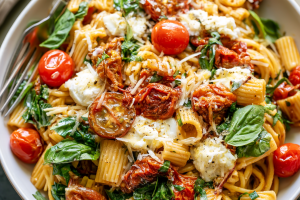
Lemon Basil Shrimp Pasta
Bright, garlicky lemon basil shrimp pasta that’s light enough for summer nights yet rich and satisfying.
🛒 Ingredients
👩🍳 Instructions
Use fresh shrimp for best texture; if using frozen, thaw completely and pat dry. Reserve pasta water to loosen the sauce. Store leftovers in an airtight container up to 2 days; reheat in a skillet with a splash of water or broth.