


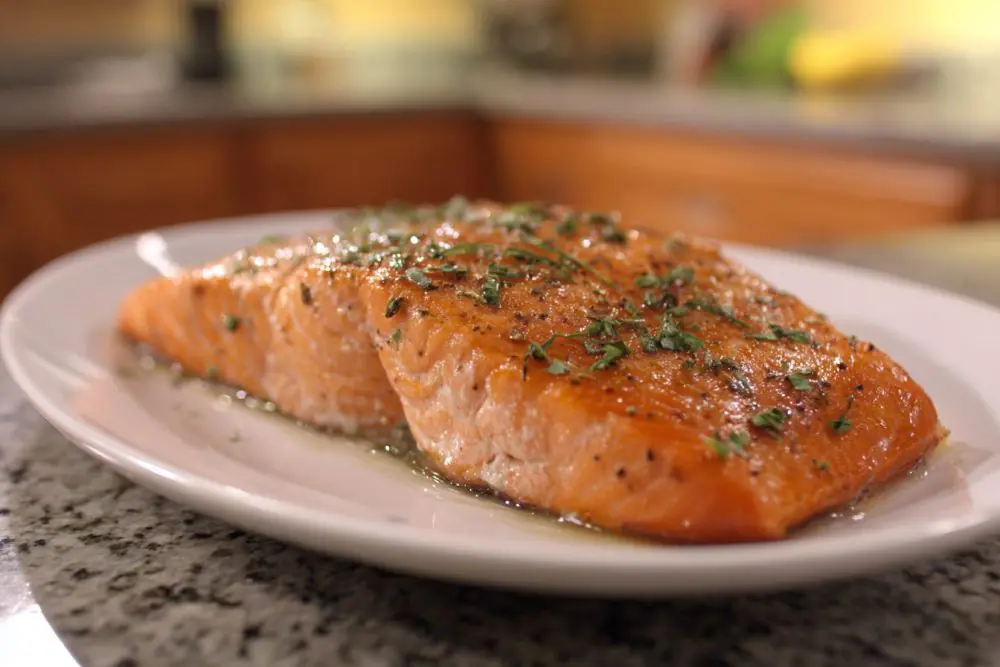
Ever had one of those days where you crave something light, incredibly satisfying, and packed with flavor, but you’re also staring down the barrel of a busy evening? That’s where perfectly cooked salmon comes in. Today, we’re tackling how to cook salmon on the grill, achieving that beautiful smoky char and tender, flaky interior that makes a weeknight meal feel like a special occasion. But wait, there’s more! If the weather doesn’t cooperate, or you’re simply short on time, I’ve got a fantastic Instant Pot method up my sleeve too.

Mastering the Flame: Grilling Your Salmon to Perfection
There’s a common misconception that grilling fish is notoriously difficult. I used to subscribe to that belief myself! Visions of delicate fillets disintegrating into the fiery abyss of the grill grates plagued my culinary dreams. But with a few straightforward tips and a watchful eye, you’ll find that achieving that restaurant-quality char and tender, moist interior is entirely within your reach. It all starts with the right preparation and understanding your heat.The Best Cuts & How to Prep Them
For grilling, I find that thicker cuts of salmon work best. Coho, Sockeye, or King salmon fillets (about 1 to 1.5 inches thick) are ideal as they hold up well to the direct heat and offer a good surface area for that coveted crisp skin. You can grill skin-on or skin-off, but I’m a firm believer in skin-on for grilling. The skin acts as a natural protective barrier, preventing the fish from drying out and sticking, plus it gets wonderfully crispy! Before grilling, always pat your salmon fillets thoroughly dry with paper towels. Excess moisture is the enemy of crispiness and can lead to sticking.Crafting a Flavorful Rub
While salmon is fantastic with just salt and pepper, a simple rub can elevate its flavor profile dramatically. My go-to always includes a touch of brown sugar for caramelization, smoked paprika for depth, garlic powder, onion powder, and a generous pinch of dried dill or parsley. Don’t forget a good flaky sea salt and freshly cracked black pepper. Mix these spices in a small bowl, then generously rub them all over your dry salmon fillets, pressing gently to adhere. Let them sit at room temperature for about 15-20 minutes while your grill heats up. This brings the fish to a more even temperature and allows the flavors to meld.Grill Set-Up & Temperature Know-How
Preheat your gas grill to a medium-high heat, aiming for around 400-450°F (200-230°C). For charcoal, you want a bed of glowing coals with a slight ash layer. The key to non-stick grilling is a clean, hot, and well-oiled grate. Once hot, use a stiff wire brush to clean off any residue from previous cooks. Then, lightly oil the grates. I like to use a paper towel dipped in high-smoke point oil (like grapeseed or avocado) held with tongs, wiping it along the hot grates just before placing the fish.
The Grilling Process: Step-by-Step
Grilling salmon requires confidence and a light touch. Don’t be tempted to move the fish too early!Getting Started: Skin-Side Down First
Carefully place the salmon fillets, skin-side down, directly on the oiled hot grates. Close the lid if possible to help create an oven-like environment and ensure even cooking.The Waiting Game: Don’t Peek!
Let the salmon cook undisturbed for about 5-7 minutes. You’ll notice the flesh beginning to turn opaque from the bottom up. This is crucial for developing that beautiful, crispy skin and preventing sticking. Resist the urge to poke or prod it!The Flip: The Moment of Truth
Once the salmon has cooked about two-thirds of the way through and the skin is visibly crisp and releases easily from the grates, it’s time to flip. Use a wide, thin-bladed spatula (a fish spatula is ideal) to gently slide under the fillet and flip it over.Finishing Up: Flesh-Side Down
Cook for another 2-4 minutes on the flesh side, or until the salmon reaches an internal temperature of 140-145°F (60-63°C) at its thickest part. The flesh should be opaque but still slightly pink in the very center and flake easily with a fork. Tip: An instant-read thermometer is your best friend here! Overcooked salmon is dry salmon, so don’t guess.Rest and Serve
Transfer the cooked salmon to a platter and let it rest for a few minutes before serving. This allows the juices to redistribute, resulting in a more tender and flavorful fillet. A squeeze of fresh lemon juice is always a welcome finish.
Instant Pot Salmon: Speed & Simplicity for Busy Nights
Sometimes, the grill isn’t an option. Maybe it’s raining, you don’t have one, or you just need dinner on the table in a flash. Enter the Instant Pot – a true kitchen superhero for quick and tender salmon. This method yields incredibly moist, flaky fish every single time, without fail. It’s truly a revelation for those hectic weeknights.Why the Pressure Cooker Method Shines
The enclosed, high-pressure environment of the Instant Pot steams the salmon perfectly, locking in moisture and flavor. There’s no risk of drying out, and the clean-up is minimal. It’s a hands-off approach that allows you to focus on sides or simply relax while dinner practically cooks itself.What You’ll Need
You’ll need your salmon fillets (fresh or frozen – yep, you can cook from frozen!), about a cup of liquid (water, broth, or even white wine), and a trivet or steamer basket. The trivet is essential to keep the salmon elevated above the liquid, allowing it to steam rather than boil.From Prep to Plate in Minutes
This method is so simple, you’ll wonder why you haven’t been doing it forever.Set Up the Pot
Pour 1 cup of water or broth into the bottom of your Instant Pot insert. Place the trivet inside.Season Your Salmon
Season your salmon fillets on both sides with salt, pepper, and any other desired seasonings. Lemon slices, a sprig of dill, or a dollop of butter can be placed directly on top of each fillet for added flavor.Pressure Cook
Arrange the seasoned salmon fillets on the trivet in a single layer. Make sure they aren’t touching the liquid directly. Secure the lid, ensure the venting knob is sealed, and set to High Pressure. Note: For fresh salmon fillets (1-1.5 inches thick), cook for 4-5 minutes. If your fillets are frozen, you’ll need 7-8 minutes.Quick Release & Rest
Once the cooking cycle is complete, perform a quick release of the pressure. Once the pin drops, carefully open the lid. The salmon will be beautifully cooked through and incredibly tender. Remove carefully with tongs or a spatula and let it rest for a minute or two before serving.Serving Suggestions & Flavor Pairings
Both grilled and Instant Pot salmon are incredibly versatile, forming the perfect canvas for a variety of side dishes and flavor profiles. For a light and fresh meal, I love serving grilled salmon with a vibrant mango salsa or a simple cucumber and dill salad. A squeeze of fresh lemon is non-negotiable! If you’re looking for something a bit heartier, roasted asparagus or green beans tossed with garlic and a sprinkle of Parmesan cheese are excellent companions. For a more sophisticated touch, consider a creamy risotto or a bed of herbed quinoa. Even a simple side of fluffy rice can be elevated with a drizzle of the salmon’s pan juices or a pat of flavored butter. Don’t forget a glass of crisp white wine, like a Sauvignon Blanc or Pinot Grigio, to complement the richness of the fish.Common Questions About Cooking Salmon
I get a lot of questions about cooking salmon, and these are some of the most frequent. Hopefully, these insights will help you achieve perfect results every time!How do I know when salmon is done cooking?
The best way to tell if salmon is done is by checking its internal temperature with an instant-read thermometer. It should reach 140-145°F (60-63°C). Visually, the flesh will turn opaque and flake easily with a fork in its thickest part, but still appear slightly pink in the center.How do I prevent salmon from sticking to the grill?
The key to preventing sticking is a clean, hot, and well-oiled grill grate. Make sure your grill is preheated to the correct temperature, brush off any old residue, and then oil the grates just before placing the salmon. Also, don’t try to move the fish too early; let the skin crisp up and release naturally.Can I cook frozen salmon on the grill or in the Instant Pot?
While you *can* grill frozen salmon (it just takes longer), the Instant Pot is truly the champion for cooking salmon from frozen. Simply add 2-3 minutes to the cooking time for the pressure cooker method. For grilling, it’s best to thaw first for even cooking and optimal texture.What’s the best way to season salmon?
Seasoning salmon really comes down to personal preference! A simple sprinkle of salt and pepper is always a winner. Beyond that, fresh dill, lemon zest, garlic powder, onion powder, smoked paprika, and a touch of brown sugar are fantastic. For a spicier kick, try a little cayenne pepper or chili powder.How long can I store cooked salmon?
Cooked salmon can be stored in an airtight container in the refrigerator for up to 3-4 days. It’s delicious flaked over salads, in sandwiches, or warmed gently (being careful not to overcook it) for a quick meal.Nutrition & Health Benefits
Salmon is renowned as a superfood, and for good reason! It’s an excellent source of high-quality protein, providing all the essential amino acids your body needs. But where it truly shines is its rich content of omega-3 fatty acids, specifically EPA and DHA. These healthy fats are crucial for brain health, reducing inflammation, and supporting cardiovascular health. Beyond omega-3s, salmon is also packed with important vitamins and minerals. It’s a good source of Vitamin D, which is vital for bone health and immune function, and it contains B vitamins, which play a key role in energy production. You’ll also find potassium, selenium, and antioxidants in this powerhouse fish. Incorporating salmon into your diet regularly is a fantastic way to boost your overall well-being.| Nutrient | Amount Per Serving (approx.) |
|---|---|
| Calories | 350 kcal |
| Protein | 25g |
| Fat | 12g |
| Saturated Fat | 4g |
| Carbohydrates | 35g |
| Fiber | 3g |
| Sugar | 5g |
| Sodium | 450mg |
| Cholesterol | 65mg |

Grilled or Instant Pot Salmon with Easy Seasoning
Master perfectly cooked, flaky salmon every time, whether you choose to grill it for smoky flavor or use an Instant Pot for lightning-fast results. This recipe includes versatile seasoning ideas and precise cooking times.
📝 Ingredients
👩🍳 Instructions
- 1For Grilling:
- 21. Pat salmon fillets completely dry with paper towels. In a small bowl, combine brown sugar, smoked paprika, garlic powder, onion powder, dried dill/parsley, cayenne pepper (if using), salt, and black pepper.
- 32. Rub the seasoning mixture generously over both sides of the salmon fillets, pressing gently to adhere. Let sit at room temperature for 15-20 minutes while you preheat the grill.
- 43. Preheat your gas grill to medium-high heat (400-450°F / 200-230°C). Clean the grates thoroughly with a wire brush. Once hot, lightly oil the grates using a paper towel dipped in olive oil held with tongs.
- 54. Place salmon fillets, skin-side down, on the oiled hot grates. Close the lid and cook for 5-7 minutes without moving, allowing the skin to crisp and release from the grates.
- 65. Using a wide, thin-bladed spatula, carefully flip the salmon. Cook for another 2-4 minutes on the flesh side, or until the internal temperature reaches 140-145°F (60-63°C) at its thickest part. The flesh should be opaque and flake easily.
- 76. Transfer cooked salmon to a platter and let rest for a few minutes before serving with fresh lemon wedges.
- 8
- 9For Instant Pot:
- 101. Pat salmon fillets completely dry with paper towels. In a small bowl, combine brown sugar, smoked paprika, garlic powder, onion powder, dried dill/parsley, cayenne pepper (if using), salt, and black pepper.
- 112. Rub the seasoning mixture generously over both sides of the salmon fillets.
- 123. Pour 1 cup of water or vegetable broth into the Instant Pot insert. Place a trivet or steamer basket inside.
- 134. Arrange the seasoned salmon fillets on the trivet in a single layer, ensuring they are not submerged in the liquid. You can top with lemon slices or a pat of butter for extra flavor.
- 145. Secure the Instant Pot lid and set the venting knob to 'Sealing'. Select 'Manual' or 'Pressure Cook' and set to High Pressure. For fresh fillets, cook for 4-5 minutes. For frozen fillets, cook for 7-8 minutes.
- 156. Once cooking is complete, perform a quick release (QR) of the pressure. Once the pin drops, carefully open the lid. The salmon should be flaky and tender.
- 167. Carefully remove the salmon with tongs or a spatula and serve immediately with fresh lemon wedges.
💡 Notes
For best grilling results, always use skin-on salmon. If using skin-off, reduce grilling time slightly and be extra careful with flipping. When using the Instant Pot, don't overcrowd the pot; cook in batches if necessary. This seasoning blend is highly versatile; feel free to adjust to your taste or experiment with other herbs like thyme or oregano.