

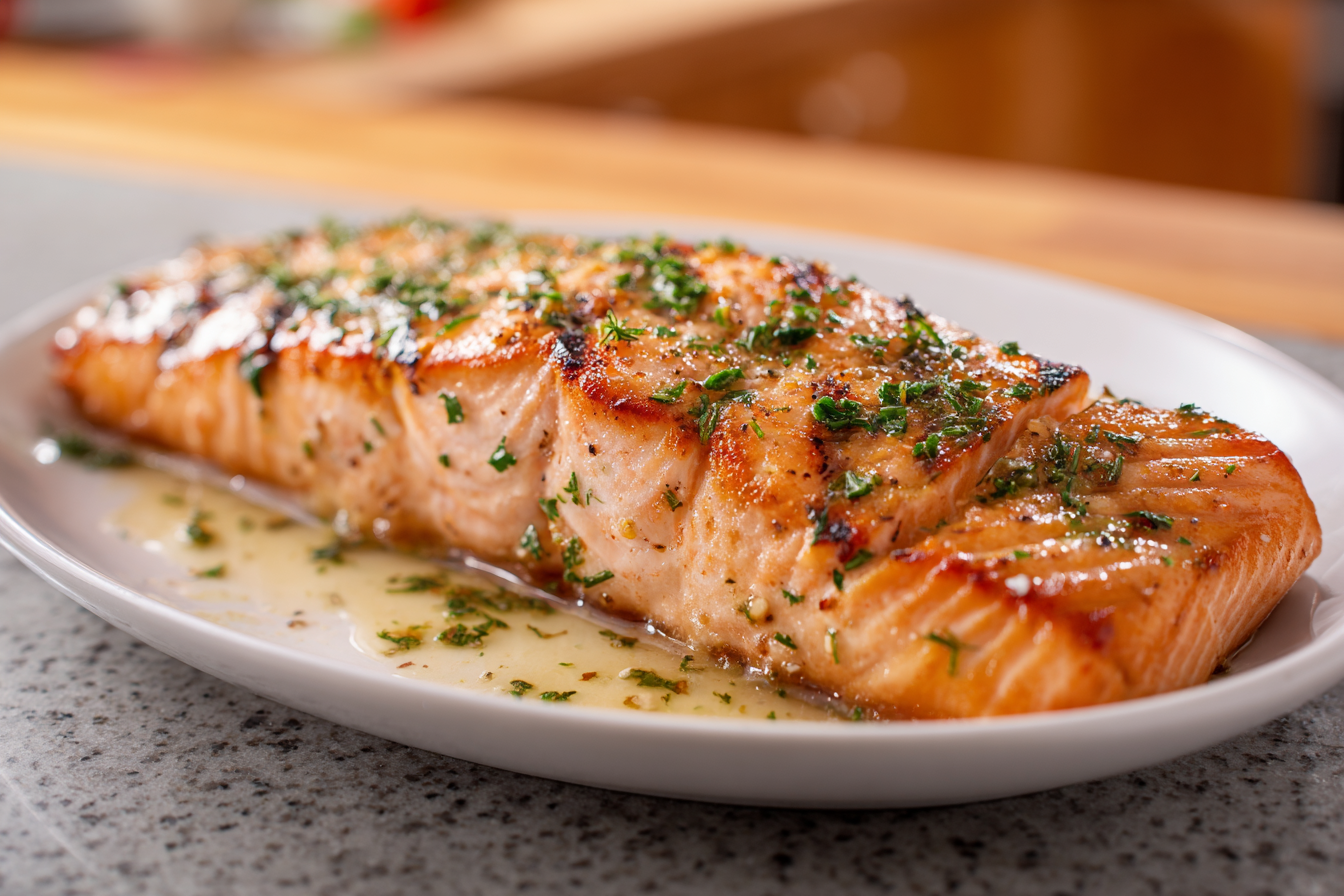
I used to think grilling salmon was this elaborate affair, something reserved for weekend dinner parties or when I really wanted to impress. Visions of fish sticking to the grates, uneven cooking, or dry fillets haunted my culinary dreams. Then I discovered the magic of perfectly grilled salmon, especially when you embrace a few simple techniques – whether it’s wrapped in foil, kissed with a smoky char, or bathed in a vibrant marinade. Suddenly, healthy, flavorful meals that feel fancy but take minimal effort became my weeknight reality.
- Why Grilled Salmon is a Weeknight Game Changer
- Unpacking the Perfect Grilled Salmon: Essential Ingredients
- The Star of the Show: Salmon Fillets
- Marinade & Rub Essentials
- Foil Packet Magic: Additional Ingredients
- Mastering the Grill: Step-by-Step for Perfect Flaky Salmon
- Step 1: Prep Your Salmon & Embrace the Marinade
- Step 2: Preheat with Purpose
- Step 3: Grilling the Salmon (Direct Heat Method)
- Step 4: Foil-Wrapped Method (for Gas, Charcoal, Traeger, or Oven)
- Step 5: Air Fryer “Grilled” Salmon
- Step 6: Rest and Serve
- Beyond the Grill: Serving Suggestions and Pairings
- Troubleshooting Common Grilled Salmon Hiccups
- Why does my salmon stick to the grill?
- How do I know when salmon is done?
- My salmon is dry! What went wrong?
- Can I grill frozen salmon?
- What if I don’t have a grill?
- Storing & Reheating Your Grilled Salmon
- The Versatility of Grilled Salmon: From Traeger to Air Fryer
Why Grilled Salmon is a Weeknight Game Changer
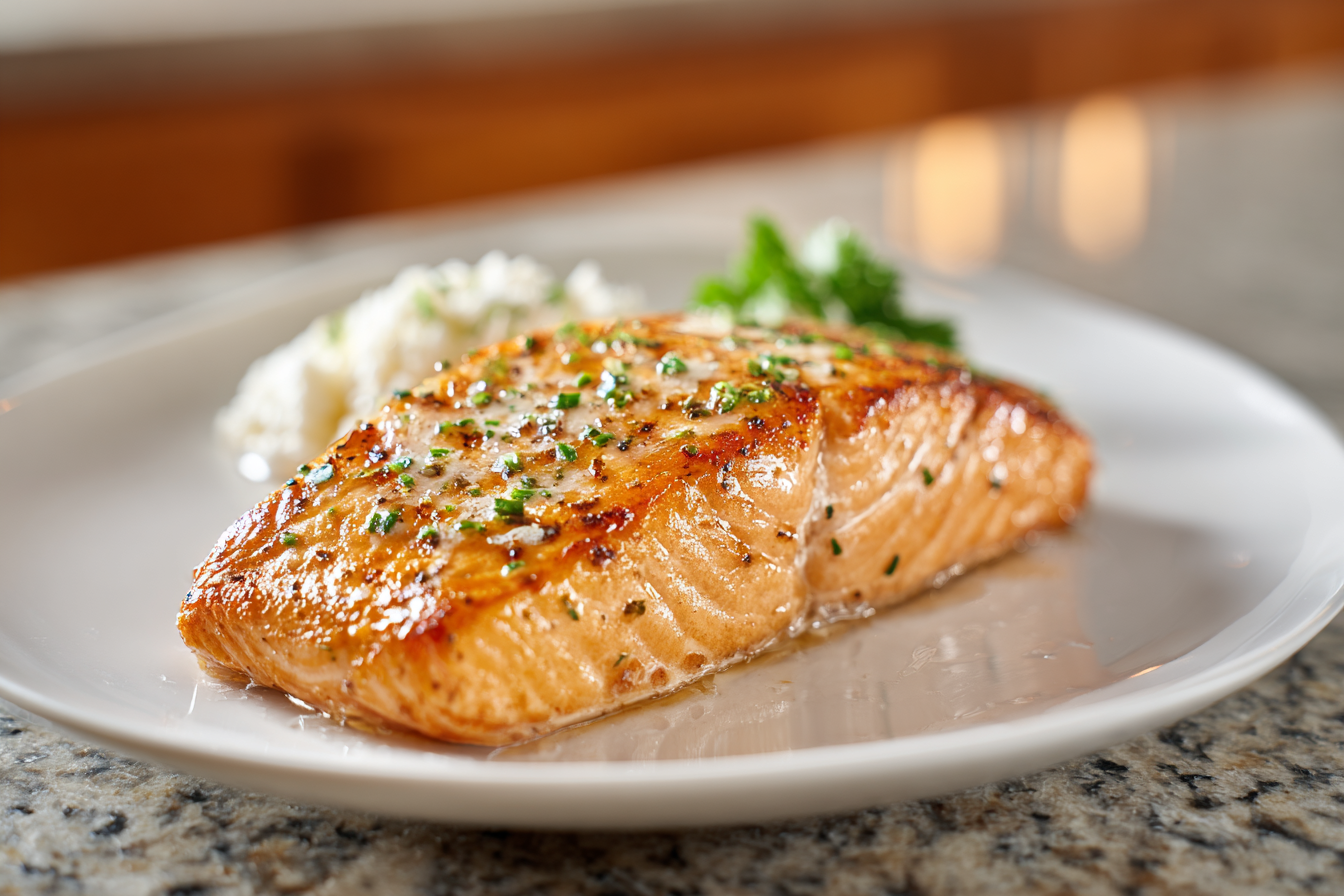
Let’s be honest, we all crave meals that are both wholesome and exciting, especially after a long day. This is precisely where grilled salmon shines. It’s not just about how quickly it cooks (seriously, we’re talking minutes here!), but also about the incredible versatility it offers. You can go sweet, savory, spicy, or herbaceous – the world is truly your oyster, or in this case, your salmon fillet. What makes grilled salmon so appealing is its innate ability to absorb flavors while maintaining its natural richness. The high heat of the grill locks in moisture, giving you that coveted tender, flaky interior with a beautifully caramelized exterior. It’s a healthy protein powerhouse, packed with omega-3s, and when prepared right, it transforms from a simple fillet into a show-stopping main course. We’re talking restaurant-quality taste from your backyard or kitchen.Beyond the Basics: Flavor Inspirations That Truly Deliver
When it comes to grilled salmon, the marinade or rub is where the real fun begins. It’s your chance to infuse incredible depth and character into the fish. I’ve explored countless combinations over the years, and a few stand out as absolute winners for their ease and impact. These aren’t just recipes; they’re templates for endless culinary creativity. Consider the classic lemon and herb – bright, fresh, and always a crowd-pleaser. Or maybe you’re leaning towards something with a touch of sweetness and depth, like a brown sugar and soy glaze that caramelizes beautifully on the grill. For those who love a smoky kick, a dry rub with paprika and a hint of cayenne can be transformative. The beauty is, these flavor profiles work whether you’re using a gas grill, a Traeger, a simple grill pan, or even an air fryer for that “grilled” effect. Each method brings its own subtle nuances to the final dish, but the flavor foundation remains stellar.Unpacking the Perfect Grilled Salmon: Essential Ingredients
Achieving that perfectly grilled salmon starts with quality ingredients, but it doesn’t have to be complicated. Think fresh, vibrant, and simple.The Star of the Show: Salmon Fillets
For grilling, I usually opt for skin-on salmon fillets, about 1 to 1.5 inches thick. The skin acts as a protective barrier, keeping the flesh moist and preventing it from sticking to the grates. If you prefer skinless, that’s fine too, but you’ll want to be extra diligent with oiling your grill and possibly using foil. Wild-caught types like Sockeye or King salmon offer a richer flavor and firmer texture, while Atlantic salmon (often farmed) is milder and more readily available. Choose what looks freshest – bright, vibrant color, firm flesh, and a clean, fresh scent.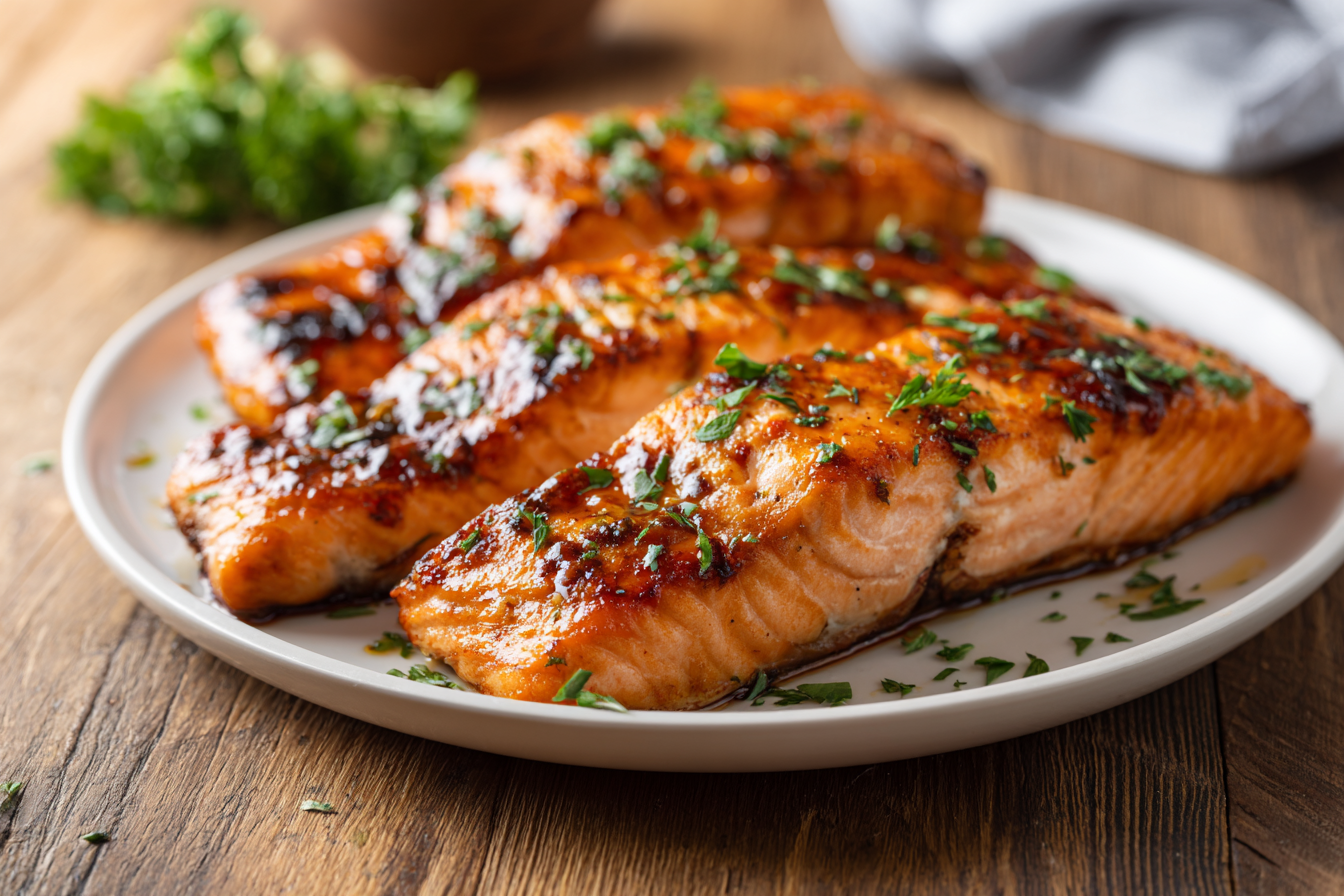
Marinade & Rub Essentials
This is where you infuse personality into your grilled salmon. You don’t need a pantry full of exotic spices; often, simple combinations yield the best results.Zesty Lemon Herb Marinade
- 1/4 cup olive oil
- 2 tablespoons fresh lemon juice
- 1 tablespoon chopped fresh dill
- 1 tablespoon chopped fresh parsley
- 2 cloves garlic, minced
- 1 teaspoon sea salt
- 1/2 teaspoon black pepper
- Pinch of red pepper flakes (optional, for a little kick)
This marinade is all about bright, clean flavors that complement the salmon without overpowering it. It’s fantastic for a light, healthy meal.
Sweet & Savory Brown Sugar Glaze
- 1/4 cup brown sugar, packed
- 2 tablespoons soy sauce (or tamari for gluten-free)
- 1 tablespoon Dijon mustard
- 1 tablespoon olive oil
- 1 clove garlic, minced
- 1/2 teaspoon smoked paprika
- Pinch of cayenne pepper (optional)
This glaze caramelizes beautifully, creating a slightly sticky, incredibly flavorful crust on the salmon. Delicious with a side of rice.
Simple Soy Ginger Quick Marinade
- 1/4 cup soy sauce
- 1 tablespoon fresh ginger, grated
- 1 tablespoon sesame oil
- 1 tablespoon rice vinegar
- 1 clove garlic, minced
- 1 teaspoon honey or maple syrup
- Pinch of red pepper flakes
A fast, umami-rich marinade that pairs perfectly with Asian-inspired sides. The ginger adds a wonderful zing.
Foil Packet Magic: Additional Ingredients
When opting for foil-wrapped salmon, you can add extra moisture and flavor directly into the packet. Thinly sliced lemon, fresh herbs like thyme or rosemary, pats of butter, or a splash of white wine all work wonders. Sliced vegetables like asparagus, cherry tomatoes, or thin-cut bell peppers can also be added for an all-in-one meal.Mastering the Grill: Step-by-Step for Perfect Flaky Salmon
Whether you’re a seasoned grill master or just getting started, these steps will ensure your salmon is cooked to perfection every time.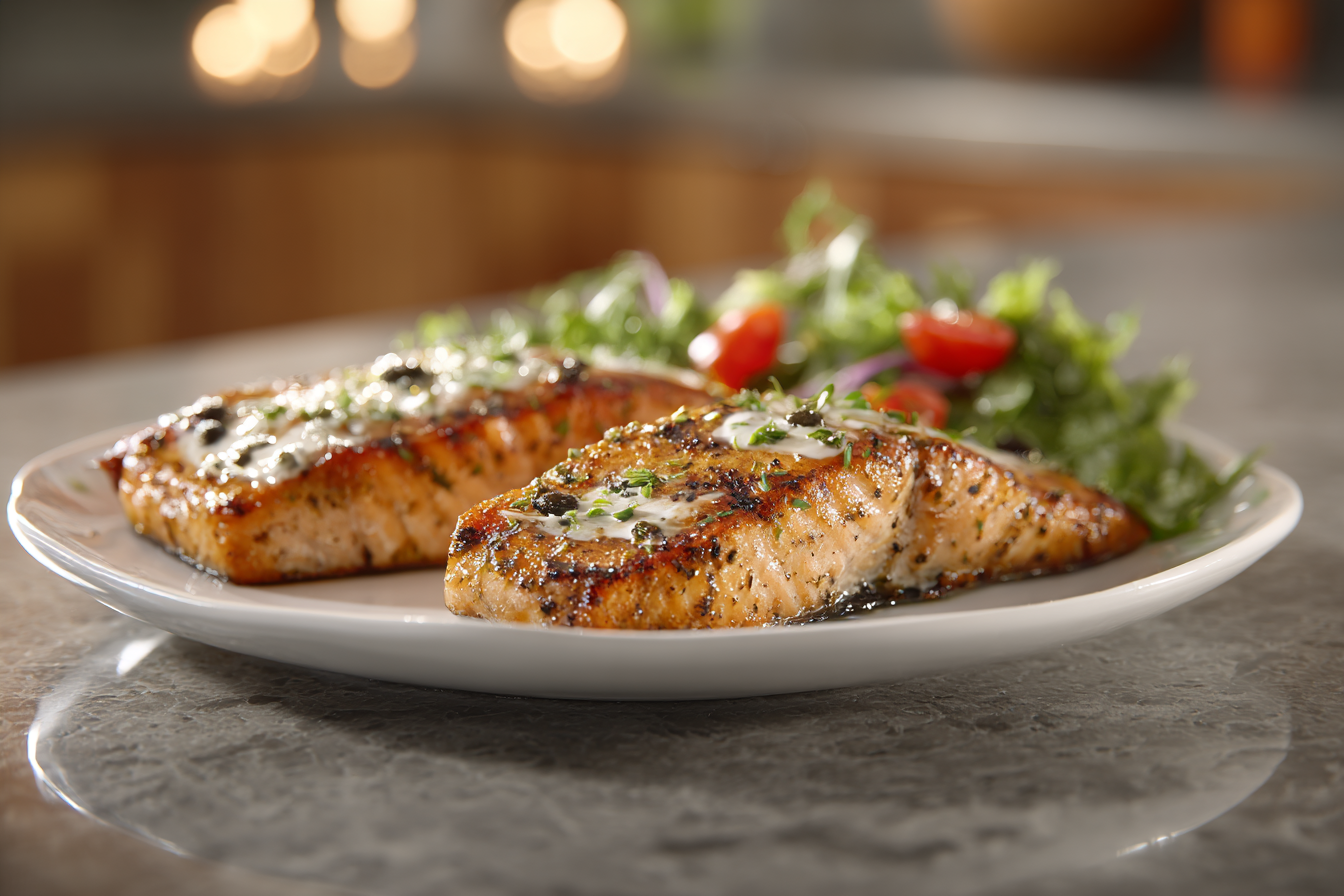
Step 1: Prep Your Salmon & Embrace the Marinade
Pat your salmon fillets dry with paper towels. This helps the marinade adhere better and ensures a good sear. Place the fillets in a shallow dish or a zip-top bag. Pour your chosen marinade over the salmon, ensuring it’s well coated. Marinate in the refrigerator for at least 20 minutes, but no more than 2 hours. Any longer, and the acids in some marinades can start to “cook” the fish.
Step 2: Preheat with Purpose
This is crucial! Preheat your grill (gas, charcoal, Traeger, or even a grill pan) to medium-high heat (around 400-450°F / 200-230°C). For gas or charcoal, clean the grates thoroughly with a wire brush once hot, then oil them generously. Use a paper towel dipped in high-smoke-point oil (like avocado or grapeseed) held with tongs to wipe down the grates. This prevents sticking.
Tip: Don’t rush the preheating. A hot, clean, and oiled grill is your best friend for preventing delicate fish from sticking. If using a Traeger or pellet grill, follow manufacturer instructions for preheating to your desired temperature, typically around 375-400°F (190-200°C) for grilling salmon.
Step 3: Grilling the Salmon (Direct Heat Method)
Place the salmon fillets skin-side down (if applicable) directly on the hot, oiled grates. Close the lid. Grill for about 4-6 minutes per side, depending on thickness. Resist the urge to move the salmon too soon – let it cook undisturbed for those initial minutes to develop a beautiful crust. Once it releases easily from the grates, flip it carefully with a thin metal spatula. Continue grilling for another 3-5 minutes, or until the internal temperature reaches 145°F (63°C) at its thickest part and the fish flakes easily with a fork.
Step 4: Foil-Wrapped Method (for Gas, Charcoal, Traeger, or Oven)
If you’re going the foil route for super moist, tender results, tear off a large sheet of heavy-duty aluminum foil. Place your salmon fillet in the center. Add any extra flavorings like lemon slices, herbs, or a pat of butter directly on top or around the fish. Fold the foil tightly around the salmon to create a sealed packet, leaving a little room for steam to circulate. Place the foil packet on the preheated grill (medium heat, around 375°F / 190°C) and cook for 12-18 minutes, depending on thickness, or until cooked through. This method is fantastic for preventing sticking and infusing maximum moisture and flavor.
Step 5: Air Fryer “Grilled” Salmon
For those without an outdoor grill, an air fryer can mimic that crispy exterior wonderfully. Preheat your air fryer to 400°F (200°C). Lightly spray the air fryer basket with cooking spray. Place the marinated salmon fillets in a single layer, skin-side up or down, depending on your preference (skin-side down often gets crispier). Cook for 10-15 minutes, flipping halfway through, or until the salmon is cooked to your desired doneness. The timing will vary based on fillet thickness and air fryer model, so check often.
Step 6: Rest and Serve
Once cooked, remove the salmon from the grill and let it rest for 5 minutes before serving. This allows the juices to redistribute, resulting in a more tender and flavorful fish. Garnish with fresh herbs or a squeeze of lemon, and enjoy!
Beyond the Grill: Serving Suggestions and Pairings
A perfectly grilled salmon fillet is a star on its own, but it truly shines when paired with complementary sides. Think about textures and flavors that enhance, rather than compete with, the fish. For a light and fresh approach, a simple green salad with a vinaigrette or a vibrant quinoa salad loaded with fresh vegetables works beautifully. If you want something heartier, roasted asparagus, steamed broccoli, or grilled corn on the cob are fantastic choices. For a more substantial side, a fluffy bed of jasmine rice, lemon-herb couscous, or even a creamy risotto can turn your salmon into a gourmet experience. Consider the marinade you used when selecting sides. A soy-ginger glazed salmon would be incredible with some stir-fried bok choy and sticky rice. Lemon-dill salmon? Pair it with roasted new potatoes and a side of green beans. Don’t be afraid to experiment with different flavor profiles to create a truly cohesive and delicious meal.Troubleshooting Common Grilled Salmon Hiccups
Even the most experienced cooks can encounter a hiccup or two. Here’s how to navigate common issues to ensure your grilled salmon is consistently excellent.Why does my salmon stick to the grill?
This is probably the most common complaint! It usually boils down to two things: an improperly preheated grill or insufficient oiling. Ensure your grill grates are screaming hot and sparkling clean before you even think about placing the salmon. Then, oil those grates generously right before adding the fish. Another factor can be flipping too soon; let that initial sear develop a crust, and the fish will release more easily.
How do I know when salmon is done?
The best way is to use an instant-read thermometer. Insert it into the thickest part of the fillet – you’re aiming for an internal temperature of 145°F (63°C). Visually, salmon will flake easily with a fork, and the flesh will turn from translucent to opaque. A slight translucence in the very center is okay if you prefer it medium-rare, but for food safety and optimal texture, 145°F is the target.
My salmon is dry! What went wrong?
Overcooking is the primary culprit here. Salmon cooks quickly! Keep a close eye on it and remove it from the heat as soon as it reaches the target temperature. Thicker fillets will take longer, thinner ones will cook faster. Marinades can also help keep moisture in, but nothing beats precise cooking times. If using foil, be sure to seal the packet tightly to trap steam.
Can I grill frozen salmon?
While technically possible if you’re in a pinch (especially with the foil-wrapped method), I highly recommend thawing salmon completely before grilling. Thawed fish cooks more evenly, absorbs marinades better, and gives you a much better texture. Thaw overnight in the refrigerator or submerged in cold water for a few hours (changing the water periodically).
What if I don’t have a grill?
No problem! A cast-iron grill pan on your stovetop or even your oven broiler can mimic the high heat and char of a grill. For a grill pan, follow the direct heat method, ensuring the pan is very hot and oiled. For broiling, place salmon on a foil-lined baking sheet, often skin-side up, and broil 6-10 inches from the heat for 8-12 minutes, watching carefully to prevent burning.
Storing & Reheating Your Grilled Salmon
Leftover grilled salmon is a fantastic meal prep component for salads, sandwiches, or even flaked into pasta. It’s a versatile ingredient that holds up well for a few days.Storage Tips
Allow any leftover grilled salmon to cool completely to room temperature (within 2 hours of cooking). Transfer it to an airtight container and store in the refrigerator for up to 3-4 days. For longer storage, you can freeze cooked salmon for up to 2-3 months, though the texture might be slightly softer once thawed.
Reheating for Best Results
Reheating salmon can be tricky, as it’s easy to dry it out. My preferred method is to gently warm it in a preheated oven or air fryer at a low temperature (around 275-300°F / 135-150°C) until just warmed through, usually 10-15 minutes. You can also flake it cold into salads or on top of grain bowls, which often yields the best texture for leftovers. Avoid high heat or microwave reheating if you want to preserve moisture.
The Versatility of Grilled Salmon: From Traeger to Air Fryer
One of the most appealing aspects of grilled salmon is its adaptability across various cooking methods. You don’t need a fancy outdoor kitchen to achieve delicious results. Each grill type brings its unique character to the fish.Traeger & Pellet Grills
Pellet grills, like Traegers, are fantastic for infusing a subtle smoky flavor into your salmon. They offer precise temperature control, making it easy to achieve that perfect flaky texture. Set your grill to a higher temperature (around 375-400°F) for direct grilling, or use a lower temperature (225-250°F) for a smoky “cold smoke” phase before cranking up the heat to finish. The wood smoke really elevates the natural richness of the salmon.
Gas Grills
Gas grills are the workhorses of backyard cooking, offering quick heat-up times and consistent temperatures. They’re perfect for direct grilling salmon, giving you those beautiful grill marks. The key is proper preheating and grate cleaning to prevent sticking, as detailed in our step-by-step guide. They allow for quick, weeknight friendly cooking.
Griddle Cooking
While not strictly “grilling,” a griddle can give you a fantastic sear on salmon, especially if you love a crispy skin. Heat your griddle to medium-high with a touch of oil. Place the salmon skin-side down and let it cook undisturbed to develop a golden, crispy skin. Then flip and finish. This method is great for achieving an even cook with minimal fuss, and it keeps your kitchen cleaner than frying in a pan.
Air Fryer
Yes, your air fryer can deliver “grilled-like” salmon. While it won’t give you char marks, it excels at creating a beautifully crisp exterior and a tender, juicy interior. It’s an excellent option for apartment dwellers, rainy days, or when you just want a quick, easy meal with minimal cleanup. The circulating hot air cooks the salmon quickly and evenly, making it a surprisingly effective tool for this dish.
No matter your equipment, the principles remain the same: fresh high-quality salmon, a flavorful marinade or rub, proper heat, and precise cooking. With these guidelines, you’ll be enjoying perfectly grilled salmon with confidence and flair. It’s a healthy, satisfying meal that truly feels like a treat, without the complexity.
Effortless Grilled Salmon with Lemon-Herb or Brown Sugar Glaze
Discover incredibly easy grilled salmon recipes that are flavorful, healthy, and perfect for any grill type, from foil-wrapped lemon salmon to sweet brown sugar glazed fillets.
📝 Ingredients
👩🍳 Instructions
-
1Prepare Salmon: Pat salmon fillets dry with paper towels. Place in a shallow dish or zip-top bag. Choose your desired marinade (Lemon-Herb or Brown Sugar Glaze) and whisk ingredients together. Pour over salmon, ensuring all pieces are well coated. Marinate in the refrigerator for 20 minutes to 2 hours.
-
2Preheat Grill: Preheat your gas grill, charcoal grill, Traeger, or grill pan to medium-high heat (400-450°F / 200-230°C). Clean grates thoroughly with a wire brush once hot, then generously oil them to prevent sticking.
-
3Direct Grill Method: Place marinated salmon fillets skin-side down (if applicable) directly on the hot, oiled grates. Close the lid. Grill for 4-6 minutes per side, depending on thickness, or until internal temperature reaches 145°F (63°C) and fish flakes easily with a fork. Resist moving the salmon too early to allow a crust to form.
-
4Foil-Wrapped Method (Alternative): If using foil, tear off a large sheet of heavy-duty aluminum foil. Place a salmon fillet in the center, adding lemon slices, herbs, or a pat of butter if desired. Fold foil tightly around the salmon to create a sealed packet. Place packet on a preheated grill (medium heat, 375°F / 190°C) and cook for 12-18 minutes, or until cooked through.
-
5Air Fryer Method (Alternative): Preheat air fryer to 400°F (200°C). Lightly spray basket. Place marinated salmon in a single layer. Cook for 10-15 minutes, flipping halfway, until cooked to desired doneness. Time varies by thickness and model.
-
6Rest and Serve: Remove salmon from heat and let it rest for 5 minutes before serving. This helps redistribute juices for a more tender result. Garnish with fresh herbs or a squeeze of lemon and enjoy immediately.
💡 Notes
For best results, use an instant-read thermometer to check doneness (145°F). Avoid overcooking to prevent dry salmon. Leftovers can be stored in an airtight container in the refrigerator for up to 3-4 days; reheat gently in a low oven or air fryer to maintain moisture.