

Ever thrown a perfect piece of salmon on the grill, only to watch it stick, fall apart, or shrivel into a sad, dry husk? Yep, me too. More times than I care to admit. For years, grilled salmon felt like this elusive culinary unicorn – everyone talked about how amazing it was, but my attempts often ended in disappointment, leaving me scrambling for a backup plan and feeling like a grill-master imposter.
- Why This Grilled Salmon Recipe Will Become Your Go-To
- Ingredients for Succulent Grilled Salmon
- Getting the Grill Ready for Perfect Fish
- The Secret to Juicy Grilled Salmon: A Step-by-Step Guide
- Step 1: Pat Dry and Season
- Step 2: Grill Skin-Side Down First
- Step 3: The Flip and Finish
- Step 4: Rest and Serve
- Common Grilling Mistakes and How to Avoid Them
- Not Preheating the Grill Enough
- Skipping the Pat Dry Step
- Overcooking the Fish
- Flipping Too Soon or Too Often
- Serving Suggestions for Your Grilled Salmon
- Grilled Salmon: Storage and Reheating
- Your Grilled Salmon Questions Answered
Why This Grilled Salmon Recipe Will Become Your Go-To
There are a million grilled salmon recipes out there, so what makes this one different? It’s not about complicated marinades or fancy equipment. This approach focuses on technique, ensuring that beautiful fish cooks evenly, stays incredibly moist, and develops that irresistible smoky char without sticking. We’re talking about a method that’s so reliable, you’ll wonder why you ever struggled. I’ve experimented with everything from cedar planks to foil packets. While those have their place, sometimes you just want direct flame, those beautiful grill marks, and that pure, unadulterated grilled flavor. This recipe delivers exactly that, with minimal fuss and maximum deliciousness. It’s perfect for a weeknight dinner but elegant enough for entertaining.Ingredients for Succulent Grilled Salmon
You really don’t need much to make fantastic grilled salmon. The star of the show is, of course, the fish itself, but a few fresh additions elevate it beautifully.The Star of the Show: Salmon Fillets
4 (6-ounce) salmon fillets: Look for wild-caught salmon if possible, like Sockeye or King, for superior flavor and texture. Farmed Atlantic salmon is also great and often more readily available. Ensure they are skin-on, which is crucial for grilling – it acts as a protective barrier. Aim for fillets that are roughly 1 inch thick at their thickest point for even cooking. 1 tablespoon olive oil: Just a touch to help with seasoning adhesion and prevent sticking.The Flavor Enhancers
1 teaspoon kosher salt: Crucial for seasoning. ½ teaspoon black pepper, freshly ground: For a little bite. 1 teaspoon garlic powder: A subtle savory note. ½ teaspoon smoked paprika: Adds a lovely depth and complements the grilled flavor. ¼ cup fresh lemon juice: Brightens everything up after cooking. 2 tablespoons fresh dill, chopped (or parsley): For a burst of fresh, herbaceous flavor right before serving.Optional (But Recommended for Serving)
Lemon wedges: For extra squeezes at the table. Grilled asparagus or a simple green salad: Perfect accompaniments.Getting the Grill Ready for Perfect Fish
Prepping your grill is just as important as prepping your salmon. A clean, hot, and well-oiled grill grate is non-negotiable for preventing sticking and achieving those beautiful sear marks. Don’t skip these steps!Cleanliness is next to Grill-liness
First things first, heat your grill to high. Let it run for about 10-15 minutes with the lid closed. This helps burn off any residue from previous cooks. Once it’s scorching hot, use a sturdy grill brush to thoroughly clean the grates. You want them to be as clean as possible. A dirty grill is a sticky grill, and salmon is delicate!Oil Those Grates!
This is one of the most critical steps for grilled salmon. Once the grates are clean and still hot, lightly dip a folded paper towel in a high smoke point oil (like avocado or canola oil). Using tongs, carefully rub the oiled paper towel over the hot grates. Do this several times until they look glossy and well-coated. This creates a non-stick surface.Setting the Temperature
For salmon, we’re aiming for medium-high heat, around 400-450°F (200-230°C). After cleaning and oiling, reduce your grill to this temperature. It’s hot enough to get a good sear but not so high that it scorches the delicate fish before it cooks through.The Secret to Juicy Grilled Salmon: A Step-by-Step Guide
Now that our grill is prepped, let’s get those salmon fillets ready to shine!Step 1: Pat Dry and Season
About 15-20 minutes before you plan to grill, remove the salmon fillets from the refrigerator. Use paper towels to thoroughly pat both sides of each fillet completely dry. This is a small but mighty step – moisture creates steam, and steam prevents searing, leading to dull, rather than crispy, skin. Drier fish also means better seasoning adhesion. In a small bowl, whisk together the kosher salt, black pepper, garlic powder, and smoked paprika. Brush each salmon fillet all over with olive oil, then generously sprinkle the spice mixture over both sides, pressing gently to adhere. Let the seasoned fish sit at room temperature while your grill finishes heating up.Step 2: Grill Skin-Side Down First
Once your grill is at medium-high heat (400-450°F) and the grates are clean and oiled, place the salmon fillets, skin-side down, directly on the prepped grates. Don’t touch them! Close the lid and let them cook undisturbed for 4-6 minutes. This initial skin-side-down cook is crucial. The skin will crisp up beautifully and create a natural barrier, protecting the delicate flesh from the direct heat and preventing it from drying out. Tip: If you see any sticking happening when you try to lift test, just wait another minute. The fish will release naturally once a good crust has formed. Resistance means it’s not ready!Step 3: The Flip and Finish
After 4-6 minutes, or when the skin is crispy and the salmon has turned opaque about two-thirds of the way up the sides, it’s time to flip. Use a thin, wide spatula – a fish spatula is ideal here – to carefully slide under the salmon and gently flip each piece. Cook for another 2-4 minutes on the flesh side, with the lid closed. For perfect grilled salmon, aim for an internal temperature of 140-145°F (60-63°C) at the thickest part. A meat thermometer is your best friend here! If you prefer it slightly less done, stop at 135-138°F, as it will continue to cook a bit after it’s removed from the heat. The flesh should be barely opaque in the center, flaky, and moist.Step 4: Rest and Serve
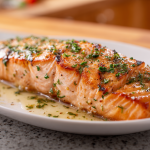
Once the salmon reaches your desired doneness, carefully remove it from the grill and transfer it to a platter. Immediately squeeze fresh lemon juice generously over each fillet and sprinkle with the chopped fresh dill (or parsley). Let the salmon rest for 5 minutes before serving. This brief resting period allows the juices to redistribute, ensuring every bite is as moist and flavorful as possible.Common Grilling Mistakes and How to Avoid Them
Even with the best intentions, things can go awry. Here are some common pitfalls when grilling salmon and how to steer clear of them.Not Preheating the Grill Enough
A cold or lukewarm grill is a recipe for disaster. It leads to sticking and uneven cooking. Always preheat your grill to high, then clean and oil, and finally reduce to your target temperature. Think of it like heating a pan for searing – you need that initial high heat.Skipping the Pat Dry Step
I touched on this earlier, but it bears repeating. Excess moisture on the surface of the fish means you’ll be steaming it, not searing it. You won’t get that beautiful crust, and the fish will be more prone to sticking. Seriously, grab those paper towels!Overcooking the Fish
This is probably the most common mistake with any fish, especially salmon. Salmon cooks incredibly quickly. One minute too long, and it can go from perfectly moist to dry and chalky. Trust your meat thermometer, and remember that residual heat will continue to cook it slightly after it’s removed from the grill. When in doubt, err on the side of slightly underdone.Flipping Too Soon or Too Often
Patience is a virtue, especially when grilling fish. If you try to flip the salmon before a good crust has formed on the skin, it will undoubtedly stick to the grates and fall apart. Let it cook undisturbed on the first side for those crucial 4-6 minutes. Once it releases easily, then it’s ready for its one and only flip. Resist the urge to poke and prod!Serving Suggestions for Your Grilled Salmon
This perfectly grilled salmon is incredibly versatile. Here are a few ways I love to serve it: Simple & Fresh: A fresh green salad with a light vinaigrette and some grilled asparagus or zucchini makes for a complete and healthy meal. Mediterranean Inspired: Serve alongside quinoa or couscous with chopped tomatoes, cucumbers, feta, and olives. A dollop of tzatziki would also be fantastic. With Roasted Veggies: Roasted sweet potatoes, broccoli, or Brussels sprouts complement the richness of the salmon beautifully. On a Salad: Flake leftover salmon over a bed of mixed greens for a high-protein lunch the next day. Sauce It Up: While delicious on its own, a simple lemon-dill sauce, a fresh fruit salsa (mango or pineapple), or a bright chimichurri can take it to the next level.Grilled Salmon: Storage and Reheating
Leftover grilled salmon is a fantastic ingredient for quick meals throughout the week. Storage: Store any leftover grilled salmon in an airtight container in the refrigerator for up to 2-3 days. Reheating: To reheat, gently warm in an oven or toaster oven at 275-300°F (135-150°C) until just heated through, about 10-15 minutes. This low and slow method prevents it from drying out further. You can also flake it cold into salads, wraps, or grain bowls – sometimes I even prefer it chilled! Avoid the microwave if possible, as it can make fish rubbery.Your Grilled Salmon Questions Answered
What kind of salmon is best for grilling?
For grilling, I highly recommend skin-on fillets, as the skin helps protect the delicate flesh from the direct heat and prevents sticking. Sockeye, Coho, or King salmon are excellent choices for their rich flavor and firm texture. Atlantic salmon, whether wild or farmed, is also widely available and grills up beautifully. Just make sure the fillets are relatively uniform in thickness for even cooking.Can I grill salmon without the skin?
You can, but it’s a bit trickier! Skin-off salmon is more prone to sticking and drying out. If you must grill without skin, ensure your grill grates are impeccably clean and perfectly oiled. You might also consider using a grill basket or a piece of foil directly on the grates to minimize sticking. Cook for slightly less time, as there’s no protective skin barrier.How do I know when my grilled salmon is done?
The best way is to use an instant-read meat thermometer inserted into the thickest part of the fillet. Salmon is typically done when it reaches an internal temperature of 140-145°F (60-63°C). The flesh should also be opaque and flake easily with a fork. If you don’t have a thermometer, look for the flesh to turn from translucent to opaque, with a tiny bit of translucency still in the very center if you like it medium-rare.How do I prevent salmon from sticking to the grill?
This is *the* million-dollar question! The key steps are: 1) thoroughly clean your hot grill grates, 2) oil the hot grates generously with a high-smoke-point oil (like avocado or canola), 3) pat the salmon fillets completely dry before seasoning, and 4) make sure the grill is hot enough and *don’t flip too early*. Let that skin get crispy and form its own protective layer, and the fish will release naturally.Can I make this recipe on a grill pan or indoors?
Absolutely! While you won’t get the smoky flavor of an outdoor grill, you can still achieve fantastic results with a cast iron grill pan on your stovetop. Follow the same principles: preheat the pan until it’s smoking slightly, oil it well, pat your salmon dry, and cook skin-side down first until it releases easily.Perfectly Juicy Grilled Salmon
Master the art of perfectly grilled salmon! This easy recipe guarantees juicy, flaky fillets with crispy skin every time.
📝 Ingredients
👩🍳 Instructions
-
1Prepare your grill: Preheat your gas grill to high heat (about 500°F / 260°C) for 10-15 minutes with the lid closed. While it heats, thoroughly clean the grates with a grill brush. Reduce heat to medium-high (400-450°F / 200-230°C). Using tongs, carefully rub a paper towel dipped in a high-smoke-point oil (like avocado or canola) over the hot grates several times until well-coated.
-
2Prep the salmon: Pat the salmon fillets completely dry with paper towels. In a small bowl, combine salt, pepper, garlic powder, and smoked paprika. Brush each salmon fillet with olive oil, then generously sprinkle the spice mixture over all sides, pressing gently to adhere. Let sit at room temperature for 10-15 minutes.
-
3Grill skin-side down: Place the seasoned salmon fillets, skin-side down, directly on the prepped medium-high grill grates. Close the lid and cook undisturbed for 4-6 minutes. Do not attempt to move or flip the salmon during this time. The skin will crisp up and create a barrier, preventing the flesh from sticking and drying out.
-
4Flip and finish: After 4-6 minutes, or when the skin is crispy and the salmon has turned opaque about two-thirds of the way up the sides, use a thin, wide spatula (a fish spatula is ideal) to carefully slide under the salmon and gently flip each piece. Close the lid and cook for another 2-4 minutes on the flesh side, or until the internal temperature reaches 140-145°F (60-63°C) at the thickest part.
-
5Rest and serve: Remove the grilled salmon from the grill and transfer to a serving platter. Immediately squeeze fresh lemon juice generously over each fillet and sprinkle with the chopped fresh dill. Let rest for 5 minutes before serving to allow the juices to redistribute for maximum moisture and flavor. Serve with extra lemon wedges if desired.
💡 Notes
For best results, use skin-on salmon fillets. A meat thermometer is highly recommended to ensure perfect doneness without overcooking. Leftovers are great flaked into salads or wraps. If you prefer a less smoky flavor, you can finish the salmon in indirect heat after the initial sear.