

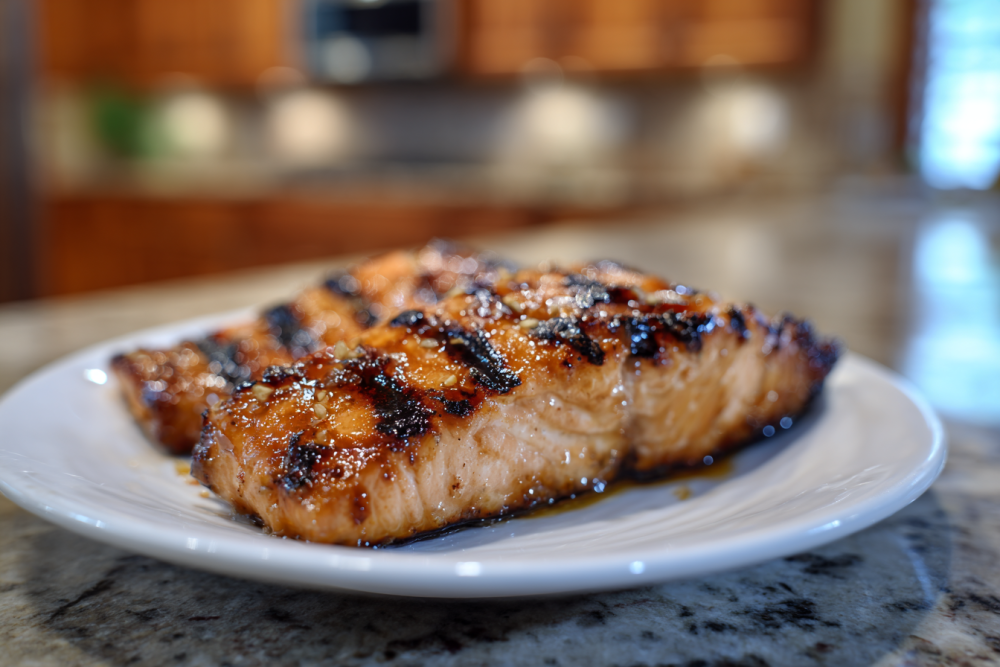
I still remember the first time I truly fell in love with salmon. It wasn’t at some fancy restaurant, but right in my own backyard. The smell of cedar planks heating up, the rich, buttery aroma of the fish mingling with a sweet glaze — it was pure magic. Ever since, I’ve been refining my approach to perfectly grilled salmon, and this grilled honey garlic salmon recipe has become a true family favorite.
- Gather Your Kitchen Crew: Ingredients for Unforgettable Salmon
- Prepping Your Palate: Creating the Signature Marinade
- Grilling to Perfection: Your How-To Guide
- Frequently Asked Questions About Grilled Salmon
- Can I use frozen salmon for this recipe?
- What if I don’t have a grill? Can I still make this?
- How do I prevent the salmon from sticking to the grill?
- What are some good side dishes to serve with grilled honey garlic salmon?
- How do I know when my salmon is perfectly cooked?
- My Take on This Classic: Why This Version Works
- Serving Suggestions & Flavor Twists
- How to Store & Reheat Leftovers
Gather Your Kitchen Crew: Ingredients for Unforgettable Salmon
When it comes to great food, quality ingredients are your best friends. This recipe doesn’t call for anything exotic, but choosing fresh, vibrant components will truly make your grilled honey garlic salmon shine.For the Star of the Show: The Salmon
- 4 Salmon Fillets (6 oz each): Wild-caught is always my preference for flavor and texture, but good quality farm-raised works beautifully too. Skin-on or skin-off, it’s up to you, though I find skin-on helps keep the fish moist and prevents sticking.
- Salt and Freshly Ground Black Pepper: Simple seasonings are all you need here.
Crafting the Golden Honey Garlic Marinade
- 1/4 cup Honey: Local honey adds a special touch! It’s the “honey” in our honey garlic salmon.
- 4 cloves Garlic, minced: Fresh is non-negotiable for that aromatic punch.
- 2 tablespoons Soy Sauce (low sodium preferred): Adds umami and depth without being overly salty.
- 1 tablespoon Apple Cider Vinegar: Provides a lovely tang that balances the sweetness. White wine vinegar or rice vinegar can also work.
- 1 tablespoon Olive Oil: Helps emulsify the marinade and prevents sticking.
- 1 teaspoon Fresh Ginger, grated: That little spicy kick makes all the difference.
- 1/2 teaspoon Red Pepper Flakes (optional, for a kick): Adjust to your heat preference.
Optional Garnishes
- Fresh Parsley or Cilantro, chopped: A sprinkle of green adds freshness and color.
- Lemon Wedges: A squeeze of fresh lemon juice brightens everything up at the end.
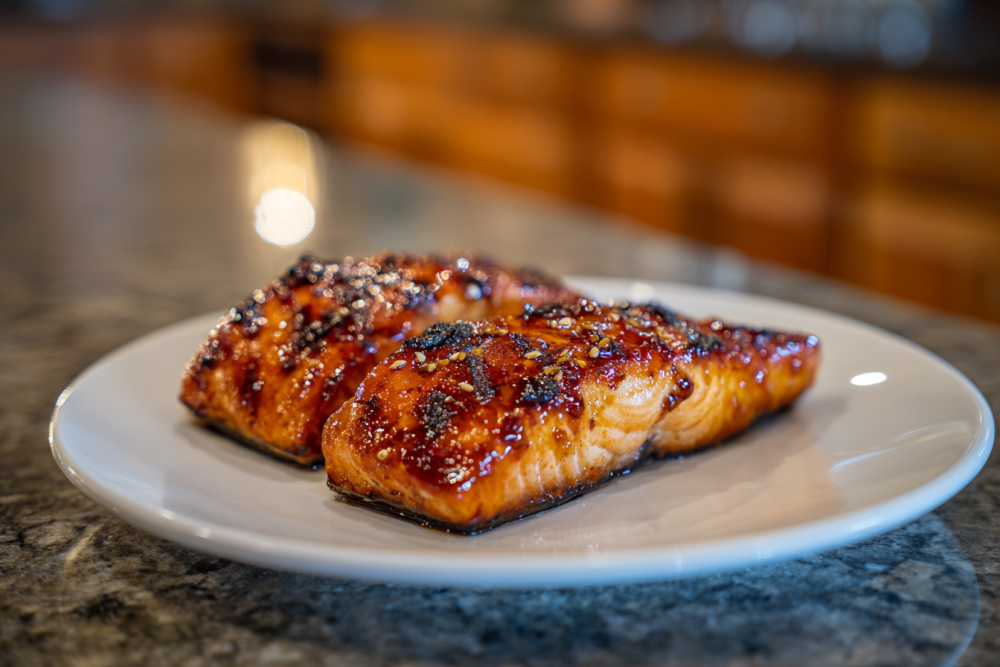
Prepping Your Palate: Creating the Signature Marinade
This marinade is where the magic truly happens. It’s a simple blend, but each ingredient plays a crucial role in building that irresistible sweet and savory glaze. Let’s get mixing!Mixing the Flavor Bomb
In a medium bowl, combine the honey, minced garlic, soy sauce, apple cider vinegar, olive oil, grated ginger, and red pepper flakes (if using). Whisk everything together until it’s well combined and slightly emulsified. You want all those delicious ingredients to become one cohesive flavor.
Marinating for Maximum Taste
Pat your salmon fillets dry with paper towels. This is an important step; a dry surface helps the marinade adhere better and allows for a better sear. Place the salmon in a shallow dish or a zip-top bag. Pour about two-thirds of the honey garlic marinade over the salmon, making sure each fillet is well coated. Reserve the remaining one-third of the marinade for basting later – this is key for that shiny, caramelized finish.
Cover the dish or seal the bag and let the salmon marinate in the refrigerator for at least 30 minutes. If you have more time, you can marinate it for up to 2 hours. Any longer, and the acidity in the marinade can start to “cook” the fish, altering its texture.
Tip: Don’t discard the used marinade from the salmon! While you shouldn’t reuse it as a sauce without cooking, it makes an excellent addition to a stir-fry later on if you bring it to a rolling boil for a few minutes to kill any bacteria. Or, simply toss it.
Grilling to Perfection: Your How-To Guide
Now for the fun part! Grilling salmon can seem intimidating, but with a few simple techniques, you’ll be turning out perfectly flaky, moist fish every time.Setting the Stage: Preheat and Prep
Preheat your grill to medium-high heat (around 400-450°F or 200-230°C). This ensures a good sear and helps prevent sticking. While the grill heats up, lightly oil your grill grates. You can do this by folding a paper towel, dipping it in a little high-smoke-point oil (like canola or grapeseed), and using a pair of tongs to wipe down the hot grates. Be careful!
Grilling the Salmon Fillets
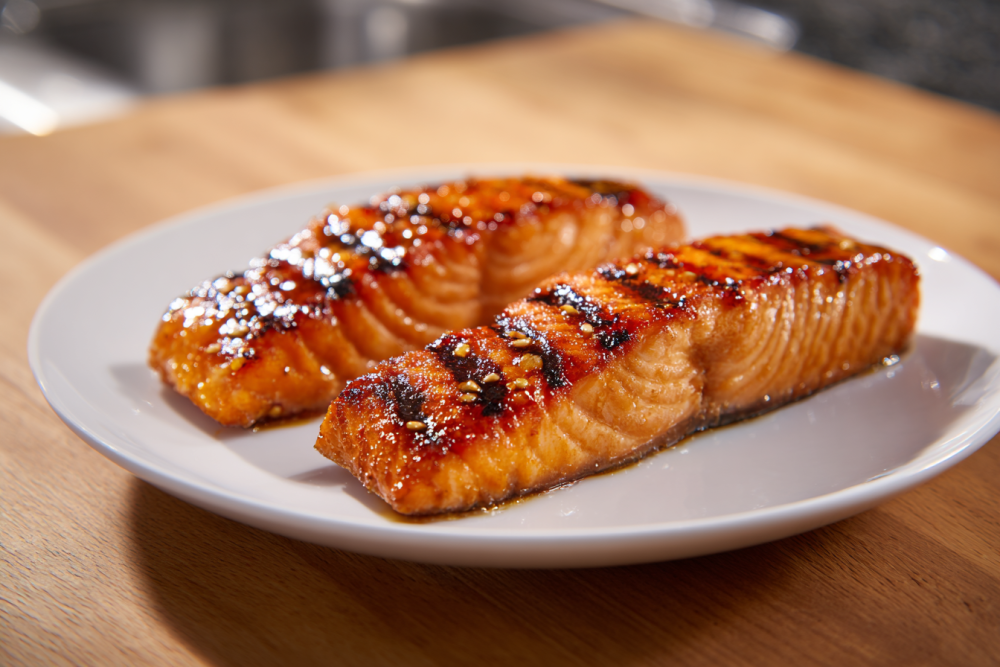
Remove the salmon from the marinade, letting any excess drip off. Season both sides of the fillets with a little extra salt and pepper. Place the salmon fillets, skin-side down (if applicable), directly on the preheated, oiled grill grates. Close the lid and let them cook for about 4-6 minutes, undisturbed. This initial cook time creates those beautiful grill marks and helps prevent the fish from sticking when you flip it.
Basting and Finishing
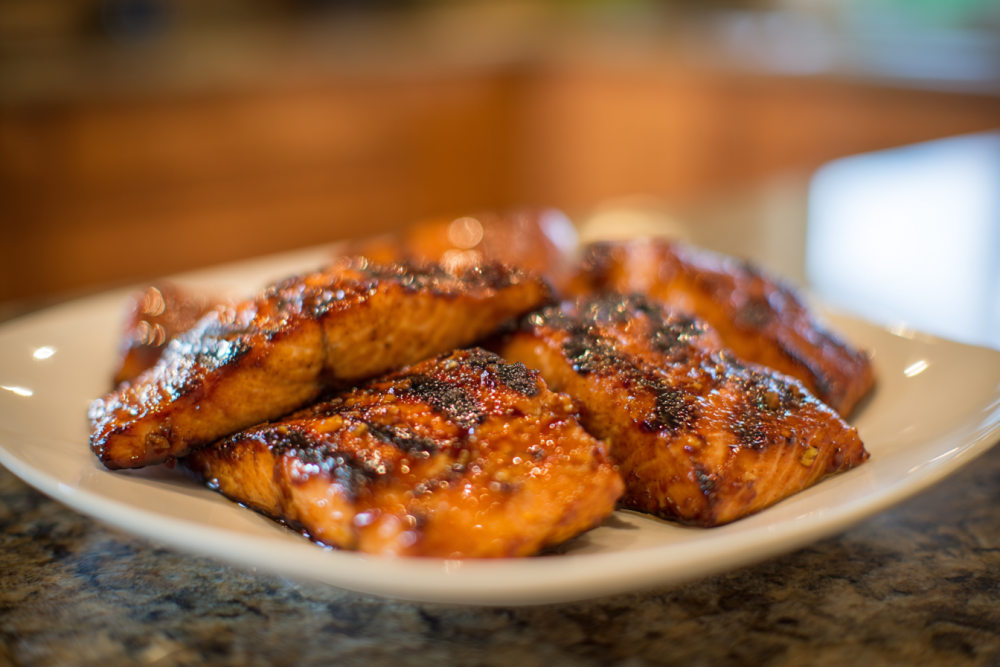
Carefully flip the salmon fillets. At this point, the skin should be crispy and easily release from the grates. Immediately brush the top side of the salmon generously with some of the reserved fresh honey garlic marinade. Close the lid and continue to cook for another 3-5 minutes, or until the salmon is cooked through. The internal temperature should reach 145°F (63°C) when measured with an instant-read thermometer at the thickest part. The fish should also flake easily with a fork.
Once cooked, transfer the grilled honey garlic salmon to a serving platter. Let it rest for a couple of minutes before serving. This allows the juices to redistribute, ensuring every bite is moist and tender.
Frequently Asked Questions About Grilled Salmon
Even seasoned cooks have questions sometimes! Here are some common queries about making the best grilled honey garlic salmon.Can I use frozen salmon for this recipe?
Absolutely! Just make sure your frozen salmon is completely thawed before marinating. Pat it very dry to remove any excess moisture, which can make the salmon less flavorful and harder to grill effectively.
What if I don’t have a grill? Can I still make this?
Yes, you can! You can bake it at 400°F (200°C) for 12-15 minutes, or pan-sear it in an oven-safe skillet on medium-high heat for 3-4 minutes per side, then finish it in the oven. The flavor will be slightly different without the grill’s smoky char, but it will still be delicious!
How do I prevent the salmon from sticking to the grill?
There are a few key tricks! First, make sure your grill grates are clean. Second, preheat the grill to a good medium-high heat. Third, oil the grates just before placing the fish. And finally, don’t move the salmon too soon – let it cook for those initial 4-6 minutes to develop a crust that will naturally release from the grates.
What are some good side dishes to serve with grilled honey garlic salmon?
This salmon pairs wonderfully with so many things! Roasted asparagus, steamed green beans, a fresh garden salad, quinoa, or even some grilled corn on the cob are all excellent choices. For something a little heartier, try a lemon herb couscous or some simple rice pilaf.
How do I know when my salmon is perfectly cooked?
The best way is to use an instant-read thermometer – it should register 145°F (63°C) at the thickest part. Visually, the salmon will become opaque throughout and will flake easily with a fork. Don’t overcook it, or it will become dry!
My Take on This Classic: Why This Version Works
You’ve probably seen countless recipes for honey garlic salmon. So, what makes this one a keeper in my kitchen? It’s all about balance and technique. Many honey garlic recipes can lean too sweet, or the garlic can be overwhelming. My version strikes that perfect chord, creating a glaze that’s sweet, savory, and just a little bit zesty. The addition of apple cider vinegar is my secret weapon. It cuts through the richness of the salmon and the sweetness of the honey, preventing the marinade from becoming cloying. The fresh ginger, too, adds a vibrant, subtle warmth that elevates the flavor profile beyond just “sweet and garlicky.” Plus, the strategy of reserving some fresh marinade for basting at the end is crucial. It ensures a beautiful, unburnt caramelization without the risk of using a bacteria-laden marinade from the raw fish. It’s these small tweaks that make a big difference in the final taste and texture!Serving Suggestions & Flavor Twists
Once your gorgeous grilled honey garlic salmon is ready, the fun continues with how you decide to plate it. A sprinkle of fresh parsley or cilantro and a squeeze of fresh lemon always brighten up the dish. For a complete meal, I often serve it alongside a crisp green salad or some simply steamed or roasted vegetables. Asparagus, broccoli, or even some grilled bell peppers would be fantastic. Want to mix things up?- Spicy Kick: Increase the red pepper flakes in the marinade, or add a dash of sriracha to your serving portion.
- Herbaceous Notes: Add a tablespoon of chopped fresh dill or chives to the reserved basting sauce for an extra layer of flavor.
- Citrus Burst: Instead of or in addition to apple cider vinegar, use fresh orange or lime juice in the marinade for a brighter, more tropical note.
- Sesame Sizzle: A tiny drizzle of toasted sesame oil in the marinade (about 1/2 teaspoon) can add a delightful nutty aroma, especially if you’re serving it with rice.
How to Store & Reheat Leftovers
It’s rare to have leftovers of this grilled honey garlic salmon, but if you do, they’re still delicious!Storage
Allow the cooked salmon to cool completely to room temperature (within two hours of cooking). Transfer it to an airtight container and store it in the refrigerator for up to 3-4 days. This makes it perfect for meal prep lunches!
Reheating
Reheating salmon can be tricky, as it can easily dry out. My preferred method is to gently reheat it in the oven. Preheat your oven to 275°F (135°C). Place the salmon on a baking sheet, cover it loosely with foil, and bake for 10-15 minutes, or until just warmed through. You can also microwave individual portions on a low setting for 1-2 minutes, checking frequently. Be careful not to overdo it!
Cold leftover salmon is also fantastic flaked over a salad or mixed into a quick salmon sushi bowl. Don’t be afraid to get creative!
Grilled Honey Garlic Salmon
Tender, flaky grilled salmon with a irresistible sweet and savory honey garlic glaze, perfect for any meal.
📝 Ingredients
👩🍳 Instructions
-
1In a medium bowl, whisk together the honey, minced garlic, soy sauce, apple cider vinegar, olive oil, grated ginger, and red pepper flakes (if using).
-
2Pat salmon fillets dry with paper towels. Place them in a shallow dish or zip-top bag. Pour about two-thirds of the marinade over the salmon, ensuring all fillets are coated. Reserve the remaining one-third of the marinade for basting.
-
3Cover and marinate in the refrigerator for at least 30 minutes, and up to 2 hours.
-
4Preheat your grill to medium-high heat (400-450°F / 200-230°C). Lightly oil the grill grates to prevent sticking.
-
5Remove salmon from marinade, letting excess drip off. Season lightly with additional salt and pepper. Place salmon, skin-side down (if applicable), on the hot grill grates.
-
6Close the lid and grill for 4-6 minutes without moving. This creates a good sear and helps prevent sticking.
-
7Carefully flip the salmon. Immediately brush the top side generously with the reserved fresh honey garlic marinade.
-
8Close the lid and continue to grill for another 3-5 minutes, or until the salmon is cooked through and flakes easily with a fork (internal temperature should reach 145°F / 63°C).
-
9Transfer the grilled salmon to a serving platter. Let rest for 2-3 minutes before serving. Garnish with fresh parsley or cilantro and lemon wedges, if desired.
💡 Notes
For best results, use fresh salmon. If using frozen, ensure it's fully thawed and patted very dry. Do not reuse marinade that has come into contact with raw fish for basting; always use a fresh portion. Salmon is prone to drying out, so use an instant-read thermometer to check for doneness at 145°F (63°C).