


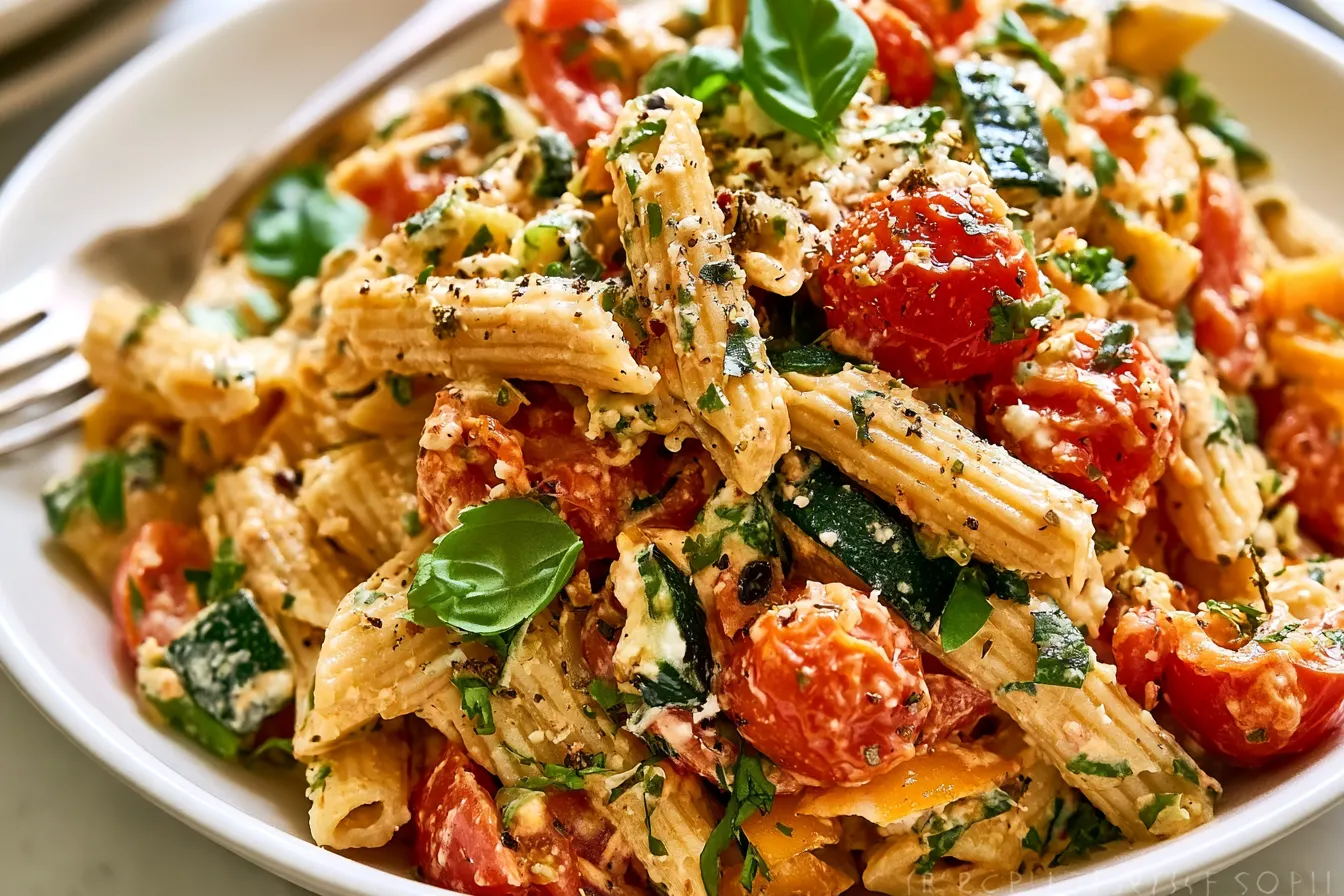
This ricotta vegetable pasta is my go-to when the fridge holds a few tired veg and I want something comforting without fuss. It comes together in 30 minutes and tastes indulgent — rich ricotta, bright lemon, and just enough garlic to make the kitchen smell irresistible.
- What makes this ricotta vegetable pasta special
- Primary ingredients
- Ingredient swaps and why they work
- Ricotta Vegetable Pasta — Step-by-step
- Quick timeline: 30-minute workflow
- Why this method works
- Common mistakes and how to avoid them
- Variations and flavor twists
- Make-ahead, storage, and reheating
- Serving suggestions and pairings
- FAQ
- Ingredient spotlight: ricotta
- Final thoughts
There’s something about a bowl of warm pasta studded with roasted or sautéed vegetables and silked with ricotta that feels like a hug from the inside. I developed this version over many hurried weeknights: quick, adaptable, and reliably satisfying whether it’s zucchini season or you’ve got a handful of cherry tomatoes to use up.
What makes this ricotta vegetable pasta special
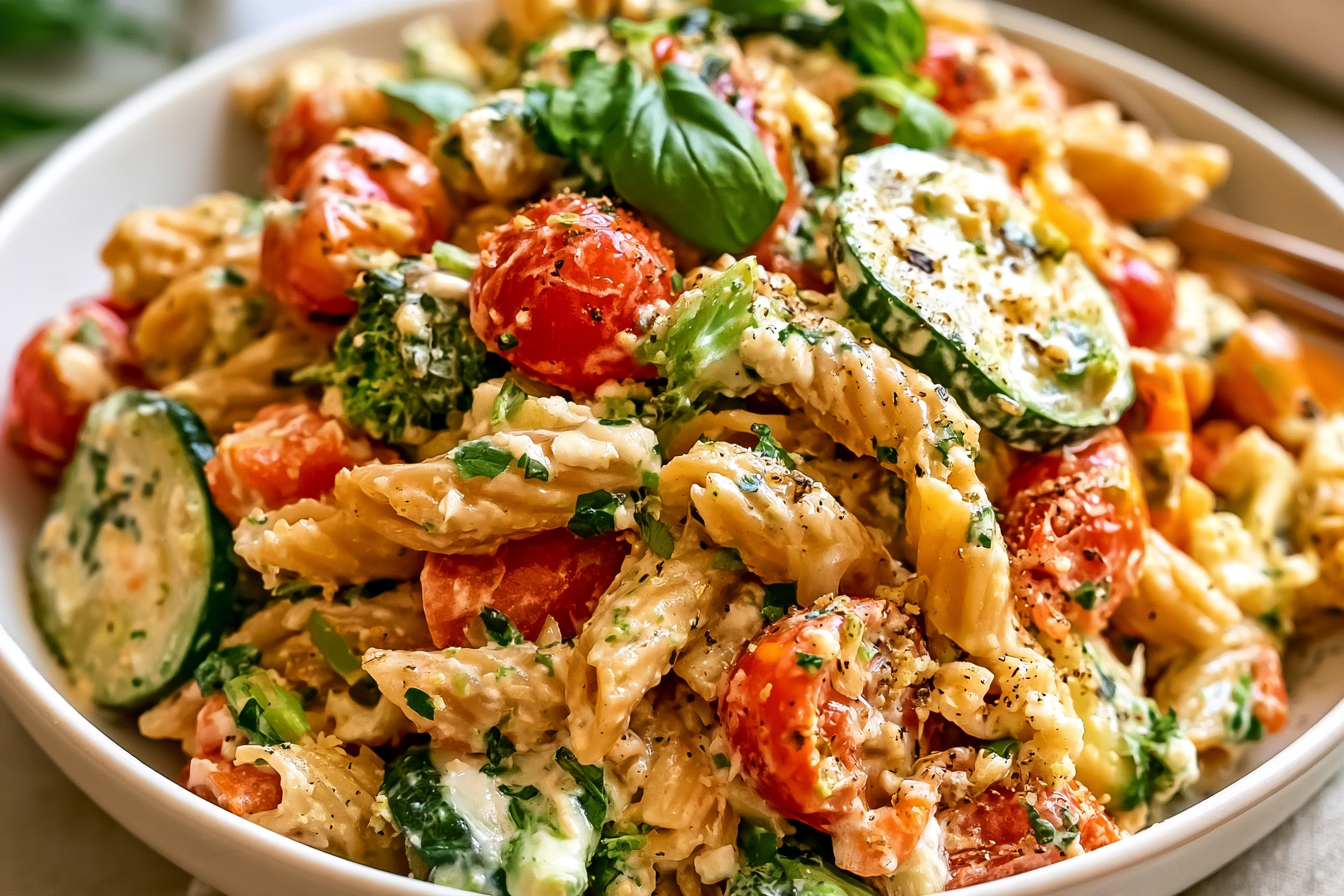
This isn’t a heavy cream sauce pretending to be light. The ricotta gives a velvety texture without weighing the dish down, and a splash of pasta water binds everything into a glossy, saucy coating. The vegetables stay bright — some gently caramelized, some barely wilted — so you get contrast in flavor and texture with every forkful.
Because the recipe is built around swaps, you can treat it like a template: roasted peppers one night, blistered cherry tomatoes the next, or a more autumnal mix with roasted squash. It’s forgiving, which is exactly what you need on a weekday.
Primary ingredients
Pasta & base
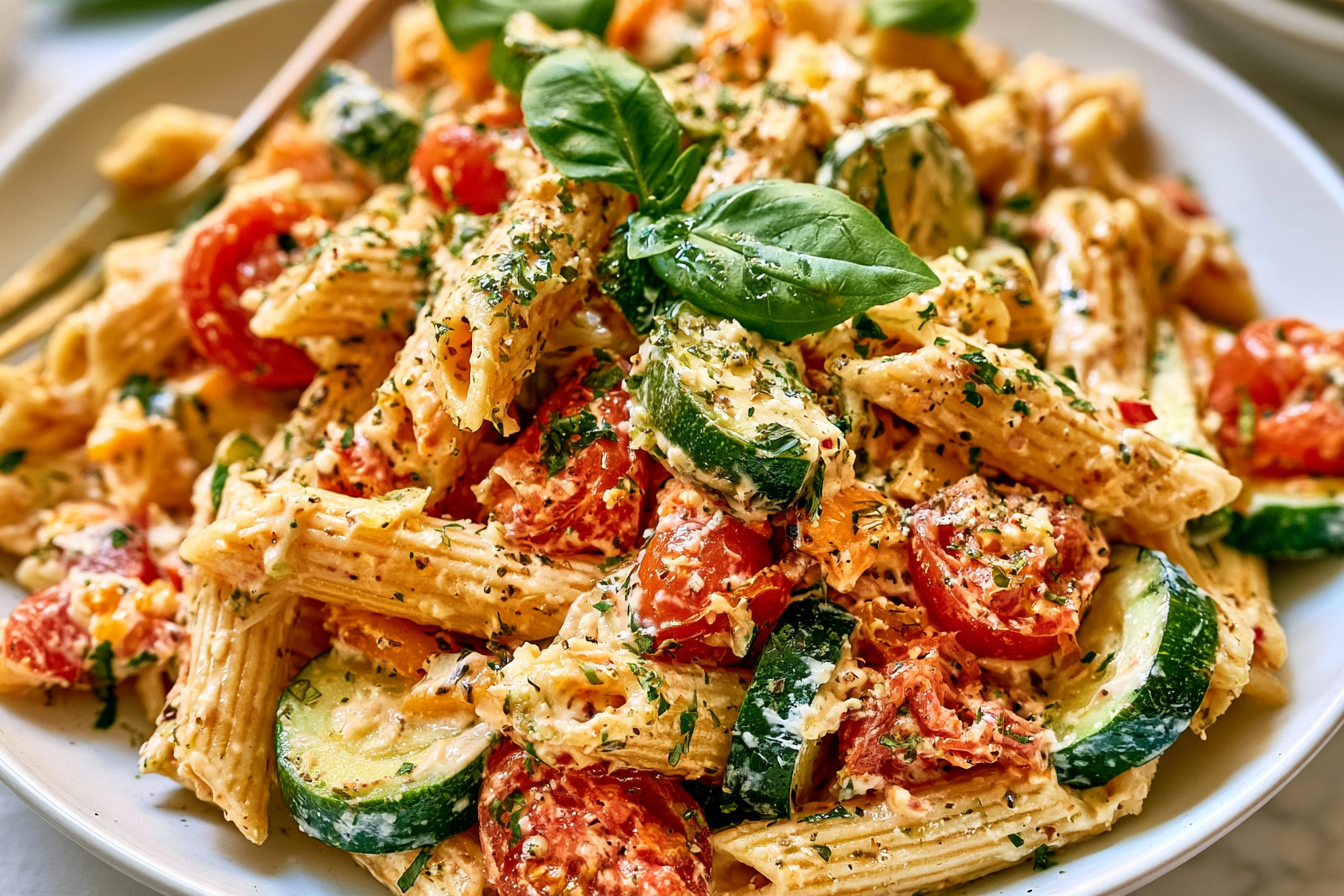
- 12 oz (340 g) dried pasta — shapes like penne, fusilli, or rigatoni work well
- Salted water for boiling
Vegetables & aromatics
- 2 tbsp olive oil, plus more for finishing
- 1 medium onion, thinly sliced
- 3 cloves garlic, minced
- 1 medium zucchini, halved lengthwise and sliced
- 1 red bell pepper, thinly sliced
- 1 cup cherry tomatoes, halved
- Handful of baby spinach or arugula (about 2 cups packed)
Ricotta sauce
- 1 1/2 cups whole-milk ricotta (drained if watery)
- 1/4 cup reserved pasta cooking water (more if needed)
- Zest and juice of 1 lemon
- 2 tbsp grated Parmesan, plus extra for serving
- Salt and black pepper to taste
- Pinch of crushed red pepper flakes (optional)
Ingredient swaps and why they work
If you’re missing something, this table will keep dinner moving:
- Ricotta → Mascarpone for richer, creamier mouthfeel; Greek yogurt for tang (thinned with pasta water).
- Zucchini → Yellow squash or thin asparagus spears for similar tenderness and moisture.
- Bell pepper → Roasted eggplant or mushrooms to add umami.
- Parmesan → Pecorino Romano for a saltier, sharper finish.
- Spinach → Kale (massage it first) or Swiss chard for sturdier greens.
These swaps keep the structure: mild creamy binder + bright veg + salty cheese. Use them freely.
Ricotta Vegetable Pasta — Step-by-step
1. Boil the pasta
Bring a large pot of water to a rolling boil. Salt it generously — it should taste like the sea. Add the pasta and cook until just shy of al dente (check package time and shave off 1–2 minutes). Reserve 1 cup of pasta water, then drain the pasta.
2. Sauté the aromatics and vegetables
While the pasta cooks, warm 2 tbsp olive oil in a wide skillet over medium-high heat. Add the sliced onion and a pinch of salt; cook until soft and starting to color, about 5 minutes. Stir in the garlic and cook 30 seconds until fragrant.
Add the zucchini and bell pepper. Sauté until they have some golden edges but still hold a little bite, about 4–5 minutes. Toss in the cherry tomatoes and cook until they begin to blister and loosen their juices, another 2–3 minutes.
3. Make the ricotta sauce
In a small bowl, mix the ricotta with lemon zest, lemon juice, grated Parmesan, and 1/4 cup reserved pasta water. Whisk until smooth; the goal is a silky, pourable sauce. Season with salt, black pepper, and red pepper flakes if you like heat.
Tip: If the ricotta seems grainy, whisk it energetically or pass it through a fine-mesh sieve. A splash of hot pasta water smooths it right out.
4. Combine pasta, vegetables, and sauce
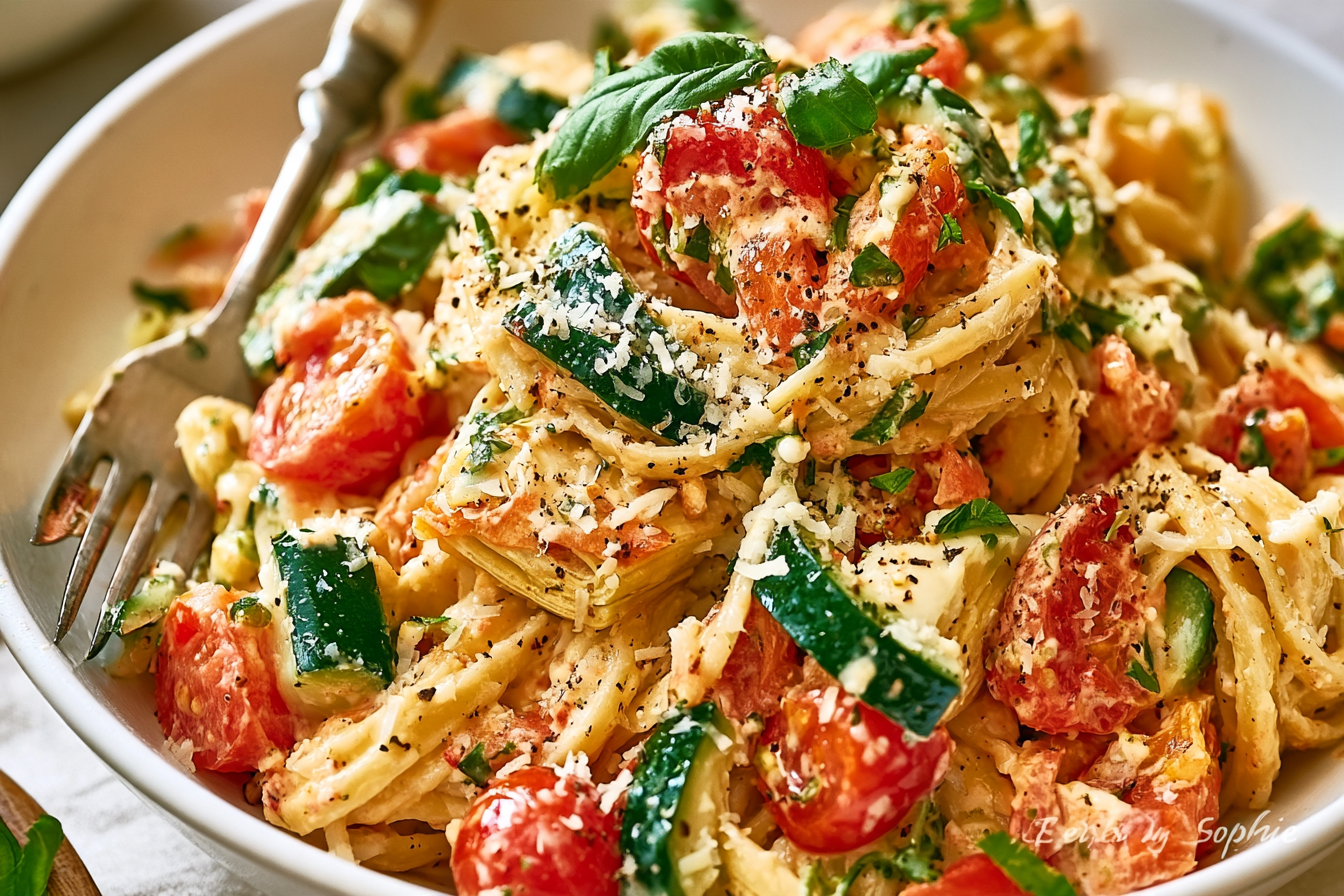
Return the drained pasta to the pot (off the heat) or a warmed large skillet. Add the sautéed vegetables, handfuls of spinach, and the ricotta mixture. Toss vigorously, adding reserved pasta water a tablespoon at a time until everything is glossy and evenly coated.
Note: You want a sauce that clings to the pasta, not puddles at the bottom. Pasta water’s starch is the binder — use it judiciously.
5. Finish and serve
Stir in a drizzle of extra-virgin olive oil and adjust seasoning to taste. Divide between bowls and scatter extra Parmesan and a grind of black pepper on top. A few torn basil leaves or a squeeze more lemon brightens it right before serving.
Quick timeline: 30-minute workflow
- 0:00 — Boil water, start pasta
- 0:05 — Sauté onions and garlic
- 0:10 — Add harder vegetables like zucchini and peppers
- 0:15 — Make ricotta mixture
- 0:18 — Finish vegetables, reserve pasta water
- 0:20 — Combine and toss, finish with greens and cheese
- 0:25–0:30 — Plate and serve
Why this method works
Cooking the pasta just shy of al dente and finishing it in the pan with the sauce allows the noodles to absorb flavors and reach perfect tenderness together. Using ricotta plus pasta water avoids heavy cream but still yields a creamy mouthfeel. Quick, high-heat sautéing preserves the vegetables’ brightness and texture.
Common mistakes and how to avoid them
- Under-salting pasta water — it’s the dish’s first seasoning. Don’t be shy.
- Overcooking vegetables — keep some bite so they don’t become mushy in the sauce.
- Adding too much cold ricotta — warm the ricotta slightly or temper it with hot pasta water to prevent a split texture.
- Skipping pasta water — without starch, the sauce won’t cling.
Variations and flavor twists
Change the personality of this dish in minutes:
- Mediterranean: Add olives, sun-dried tomatoes, and oregano. Finish with a drizzle of balsamic glaze.
- Herby lemon: Double the lemon zest and add chopped dill, parsley, and chives.
- Roasted veg: Roast eggplant, cherry tomatoes, and peppers for deeper, smoky flavor.
- Added protein: Stir in cooked chickpeas, shredded rotisserie chicken, or flaked tuna for a heartier meal.
Make-ahead, storage, and reheating
Store cooled leftovers in an airtight container for up to 3 days. The ricotta sauce will firm up in the fridge; loosen it with a splash of water or milk when reheating. Reheat gently over low heat on the stovetop, stirring until saucy, or microwave in 30-second bursts, stirring between intervals.
For meal prep, keep the cooked pasta separate from the fresh greens and ricotta sauce if you plan to heat and eat later. Toss together just before serving to keep the greens vibrant.
Serving suggestions and pairings
Serve this pasta with a crisp green salad and lemon vinaigrette to cut through the creaminess. A crusty piece of bread or garlic toasts soaks up any leftover sauce beautifully. For wine, choose a bright white like Pinot Grigio or a light-bodied Chardonnay.
FAQ
Can I use low-fat ricotta for this recipe?
Yes, but the sauce will be less creamy. Thin low-fat ricotta with additional pasta water or a tablespoon of olive oil to mimic the richness of whole-milk ricotta.
How do I keep the sauce from becoming grainy?
Whisk the ricotta with warm pasta water and lemon juice until smooth before adding to the pasta. If it still feels grainy, pass it through a sieve or blend briefly with an immersion blender.
What vegetables work best in colder months?
Swap zucchini and tomatoes for roasted butternut squash, sliced roasted mushrooms, and tender kale. Roasting brings out sweetness and adds a cozy flavor profile.
Is this recipe freezer-friendly?
I don’t recommend freezing the finished pasta; ricotta textures change after freezing. You can freeze roasted vegetables separately and recombine with fresh pasta and ricotta when ready to eat.
Can I make this dairy-free or vegan?
Use a creamy plant-based ricotta (made from almonds or tofu) and a vegan Parmesan alternative. Increase the lemon and nutritional yeast for tang and umami.
Ingredient spotlight: ricotta
Ricotta is mild, slightly sweet, and surprisingly versatile. Whole-milk ricotta offers the closest texture to a cream sauce without heavy cream. If your ricotta is watery, drain it in a fine mesh for 15–20 minutes or press between paper towels; a thicker ricotta yields a richer sauce.
Final thoughts
This Ricotta Vegetable Pasta is one of those dinners that quietly becomes a favorite because it’s fast, flexible, and genuinely comforting. It works for nights when you’re pressed for time and for casual weekend lunches when you want something a bit fancier without extra effort.
Try it with whatever vegetables you have on hand, and treat the recipe as a formula rather than a strict list. Once you taste bright lemon with creamy ricotta and crisp vegetables folded into warm pasta, you’ll see why I keep making it.

Ricotta Vegetable Pasta
A creamy, bright ricotta vegetable pasta ready in 30 minutes — perfect for weeknights and uses up fridge vegetables.
🛒 Ingredients
👩🍳 Instructions
Substitute mascarpone for richer sauce or Greek yogurt thinned with pasta water for a tangy, lower-fat option. Store leftovers in an airtight container for up to 3 days; loosen with water when reheating. Do not freeze the finished dish—freeze roasted vegetables separately if needed.