

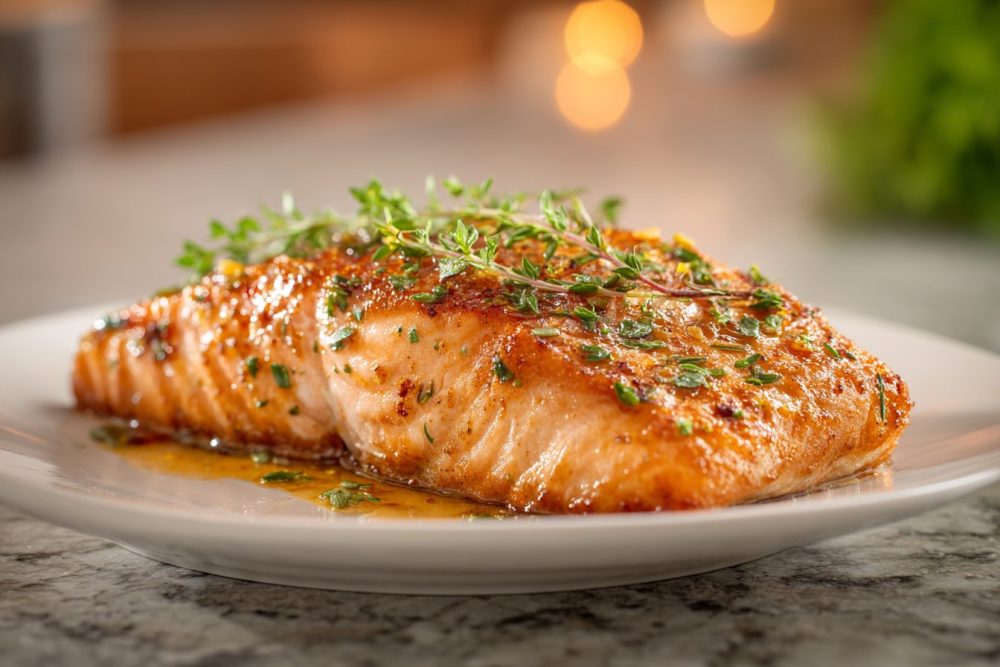
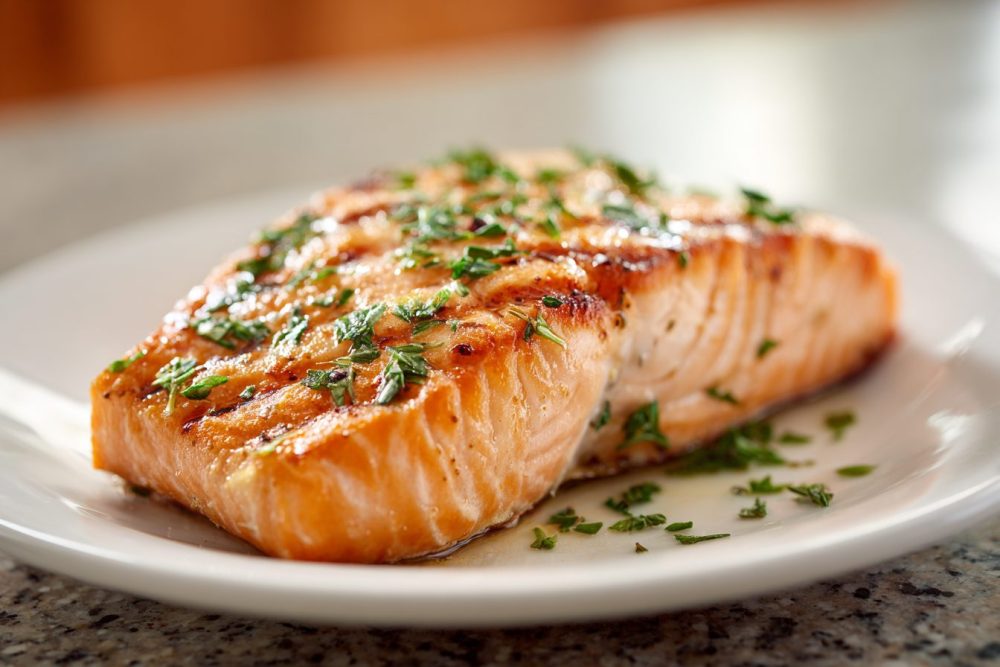
I used to dread grilling fish. It always felt like a high-stakes gamble: would it stick to the grates, dry out into a sad, mealy brick, or simply fall apart before it even made it to the plate? For years, my grill nights were reserved for steaks and sausages, leaving delicate seafood firmly in the “oven-baked” category. But then I cracked the code on how to make a truly perfect grilled salmon fillet – one that’s consistently moist, incredibly flaky, and infused with smoky goodness.
- Why This Grilled Salmon Fillet Recipe Just Works
- Gather Your Essentials: What You’ll Need
- Prepping Your Perfect Grilled Salmon
- Step 1: Pat Dry, Always
- Step 2: Oil & Season Generously
- Step 3: Preheat Your Grill
- Step 4: Clean & Oil the Grates
- Grilling to Perfection: The Method
- Step 1: Place Fillets on the Grill
- Step 2: The First Side (Crucial Sealing)
- Step 3: Flip and Finish
- Step 4: Rest and Serve
- Serving Suggestions & Pairings
- Common Questions About Grilling Salmon
- How do I know when my grilled salmon is done?
- My salmon always sticks to the grill. What am I doing wrong?
- Can I grill salmon with the skin on?
- What if I don’t have fresh dill or parsley?
- Can I use frozen salmon fillets?
- Make-Ahead & Storage Tips
Why This Grilled Salmon Fillet Recipe Just Works
What makes this particular approach to grilling salmon so reliable? It boils down to understanding the fish itself and respecting a few core principles of grilling. Firstly, we’re focusing on quality ingredients – fresh salmon makes a world of difference. Secondly, the prep is minimal but strategic, ensuring the fillet is seasoned well and ready for the heat. Finally, the grilling method itself is designed for even cooking and a beautiful char, without sacrificing moisture. You won’t find any overly complicated steps here, just practical advice that yields delicious results. It’s about building confidence at the grill, especially when it comes to more delicate proteins. We’re aiming for that beautiful caramelization on the outside and a tender, buttery interior that practically melts in your mouth.Gather Your Essentials: What You’ll Need
Good food starts with good ingredients. For this recipe, we’re keeping things fresh, simple, and vibrant. You’ll notice the emphasis on fresh herbs – they really brighten up the flavor profile of the salmon without overpowering it.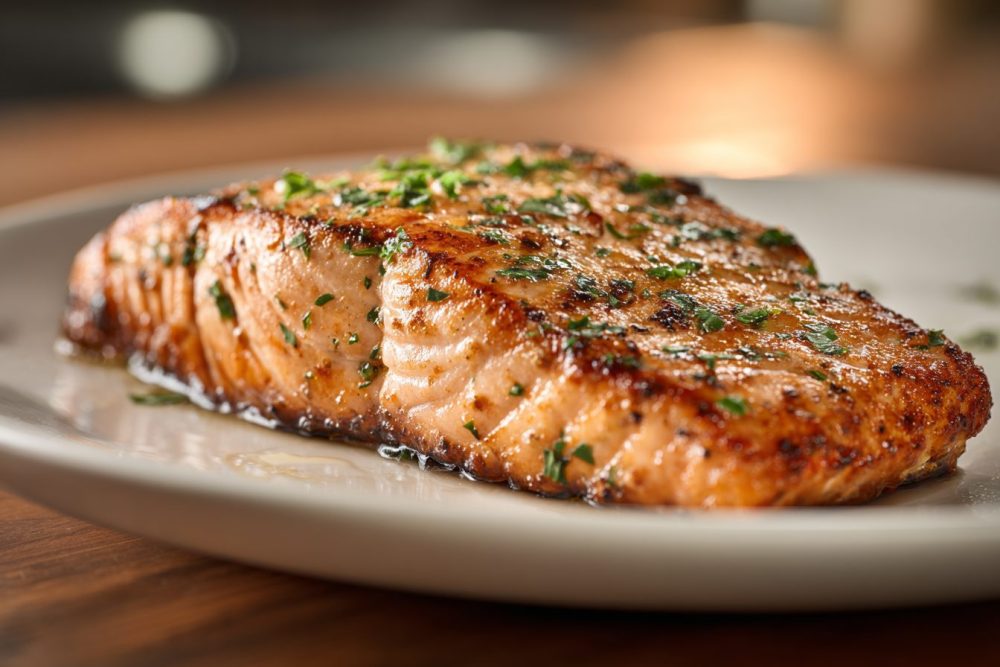
The Star: Salmon Fillets
4 (6-ounce) salmon fillets, skin on or off (skin-on helps keep it together, but either works) Tip: Look for wild-caught salmon if possible, as it often has a richer flavor and better texture. Ensure your fillets are relatively uniform in thickness for even cooking.Flavor Foundation: Herbs & Seasonings
2 tbsp olive oil 1 tsp sea salt ½ tsp freshly ground black pepper 1 tbsp fresh dill, finely chopped 1 tbsp fresh parsley, finely chopped 1 tsp garlic powder (or 2 cloves fresh garlic, minced) ½ lemon, thinly sliced, plus extra for servingGrilling Aids (Don’t Skip These!)
Paper towels (for patting dry) Grill brush (for cleaning grates) Tongs Fish spatula (essential for handling delicate fish!) Non-stick grill spray or extra olive oil for gratesPrepping Your Perfect Grilled Salmon
A little thoughtful preparation goes a long way when you’re grilling fish. It ensures an even cook, maximum flavor absorption, and prevents sticking – which is half the battle won!Step 1: Pat Dry, Always
Gently pat each salmon fillet completely dry with paper towels. This is crucial! Excess moisture steams the fish instead of searing it, preventing that beautiful crust.Step 2: Oil & Season Generously
Place the dry fillets on a plate or baking sheet. Drizzle both sides with olive oil, then sprinkle evenly with salt, pepper, garlic powder, dill, and parsley. Gently rub the seasonings into the fish. Arrange a few lemon slices on top of each fillet; these will infuse flavor as it cooks.Step 3: Preheat Your Grill
Preheat your grill to medium-high heat (around 400-450°F or 200-230°C). Make sure it’s good and hot. This high initial heat helps prevent sticking and creates a nice sear.Step 4: Clean & Oil the Grates
Once hot, thoroughly clean your grill grates with a wire brush. Then, and this is important, lightly oil the grates. You can do this by folding a paper towel, dipping it in a little olive oil, and using tongs to rub it over the hot grates. Repeat a couple of times. This creates a non-stick surface.Grilling to Perfection: The Method
Now for the main event! Grilling salmon is faster than you might think, and paying attention to timing and visual cues is key.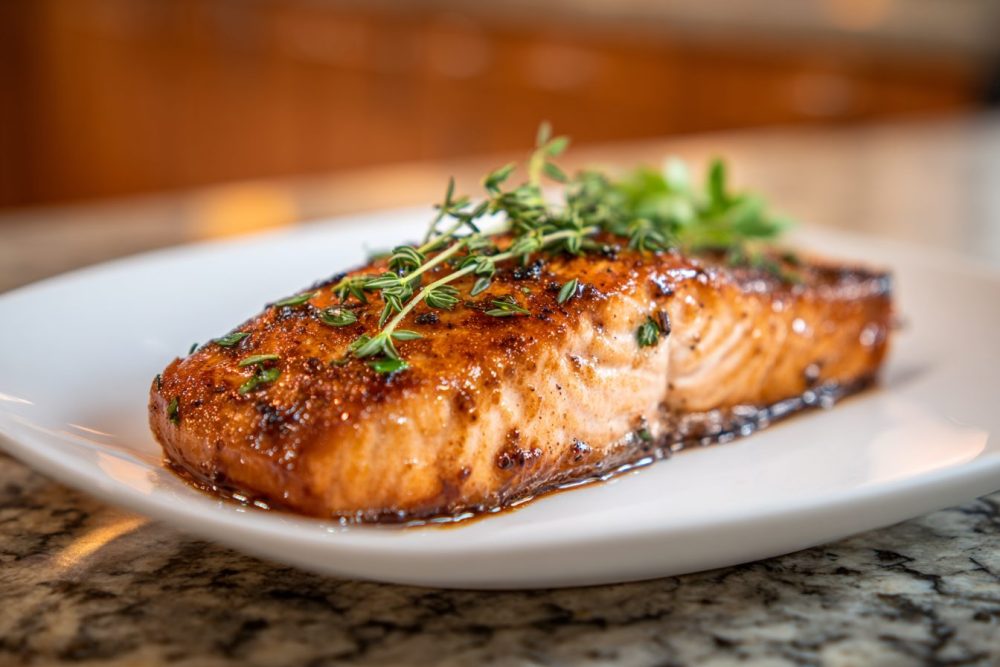
Step 1: Place Fillets on the Grill
Carefully place the seasoned salmon fillets, skin-side down (if using skin-on), directly onto the hot, oiled grill grates. If your fillets are skinless, place them presentation-side down first. Leave the lemon slices on top of the fillet. Close the grill lid.Step 2: The First Side (Crucial Sealing)
Grill for 4-6 minutes, *without moving them*. Do not be tempted to peek or poke! This initial time allows the salmon to sear and form a crust, releasing it naturally from the grates. You should see grill marks forming and the color starting to change up the sides of the fillet.Step 3: Flip and Finish
Using a thin, wide fish spatula (seriously, it’s a game-changer for fish!), carefully flip the fillets. If they resist, let them cook for another minute. They should release easily when ready. Close the lid again and cook for another 3-5 minutes, or until the salmon reaches an internal temperature of 145°F (63°C) and flakes easily with a fork.Step 4: Rest and Serve
Carefully transfer the grilled salmon fillets to a clean plate. Let them rest for 5 minutes before serving. This allows the juices to redistribute, ensuring a moist and tender result. Serve with extra lemon wedges.Serving Suggestions & Pairings
A beautifully grilled salmon fillet deserves equally wonderful accompaniments. The fresh flavors of this salmon recipe make it incredibly versatile. Here are a few ideas to get your culinary gears turning: Simple & Fresh: A crisp green salad with a light vinaigrette is always a winner. Think mixed greens, cherry tomatoes, and cucumber. Roasted Veggies: Asparagus, broccoli, or bell peppers roasted alongside the salmon (perhaps before or after, depending on grill space) make for a wholesome and easy meal. Drizzle with a little olive oil and sprinkle with salt and pepper before roasting. Grain Bowls: Pair the salmon with quinoa, brown rice, or even farro for a heartier meal. Add some roasted sweet potatoes or a scoop of black beans. Herby Potatoes: Simple boiled or roasted new potatoes tossed with fresh herbs like chives and parsley would be fantastic. Light Pasta: A simple lemon-garlic pasta or even a light pesto pasta can complement the salmon beautifully without overpowering it.Common Questions About Grilling Salmon
Grilling fish can feel intimidating, but it doesn’t have to be. Here are some common concerns and their solutions for your perfectly grilled salmon fillet.How do I know when my grilled salmon is done?
The best way is with an instant-read thermometer. Insert it into the thickest part of the fillet; it should read 145°F (63°C). Visually, the salmon will turn opaque throughout and flake easily with a fork. It should still look moist, not dry.My salmon always sticks to the grill. What am I doing wrong?
This is the most common issue! Ensure your grill grates are thoroughly clean, very hot, and well-oiled *before* placing the fish. Don’t move the salmon too soon – give it time (4-6 minutes) to form a crust and naturally release from the grates. A good fish spatula also helps immensely.Can I grill salmon with the skin on?
Absolutely! Grilling salmon with the skin on offers a few benefits. The skin acts as a protective barrier, keeping the flesh moist and preventing it from falling apart. If cooked properly, the skin can get delightfully crispy and is completely edible. If you prefer not to eat it, it’s easy to remove after cooking.What if I don’t have fresh dill or parsley?
While fresh herbs offer the best flavor, you can substitute with dried herbs. Use about 1/3 of the amount (e.g., 1 teaspoon dried dill for 1 tablespoon fresh). Other fresh herbs like thyme or oregano can also work well. Lemon zest can also add a nice bright note if you don’t have fresh lemon slices.Can I use frozen salmon fillets?
Yes, but make sure they are completely thawed before seasoning and grilling. Pat them extra dry, as frozen salmon tends to release more moisture during thawing. The cooking time might be slightly adjusted if the fillets are thicker or thinner than fresh ones.Make-Ahead & Storage Tips
While grilled salmon is always best enjoyed fresh off the grill, sometimes you have leftovers, or you want to maximize its deliciousness for a quick lunch the next day.Make-Ahead Prep
You can season the salmon fillets up to 30 minutes before grilling. Cover them and keep them refrigerated. Let them come to room temperature for about 10-15 minutes before placing them on the hot grill. This helps with more even cooking.Storing Leftovers
Store any leftover grilled salmon in an airtight container in the refrigerator for up to 2-3 days. Its flavor actually deepens a bit overnight.Reheating Gently
Reheating salmon can be tricky, as it can easily dry out. For best results, reheat gently in a microwave on a low setting in short bursts (30 seconds at a time) or in an oven preheated to 275°F (135°C) for about 10-15 minutes, covering the salmon loosely with foil to retain moisture. A quick sauté in a pan with a little olive oil also works well for small pieces. Leftover salmon is also fantastic flaked into salads, pasta dishes, or sandwiches, where it doesn’t need to be piping hot.
Flaky & Flavorful Grilled Salmon Fillet with Fresh Herbs
Achieve juicy, perfectly cooked, and flaky grilled salmon every time with this simple, fresh herb-infused recipe. Quick and delicious!
📝 Ingredients
👩🍳 Instructions
-
1Pat the salmon fillets completely dry with paper towels. This is a crucial step for a good sear.
-
2Place the dry fillets on a plate. Drizzle both sides with 2 tbsp olive oil, then sprinkle evenly with salt, pepper, garlic powder, dill, and parsley. Gently rub the seasonings into the fish. Arrange a few lemon slices on top of each fillet.
-
3Preheat your grill to medium-high heat (around 400-450°F / 200-230°C).
-
4Once hot, thoroughly clean the grill grates with a wire brush. Lightly oil the grates by dipping a folded paper towel in olive oil and rubbing it over the hot surface with tongs.
-
5Carefully place the seasoned salmon fillets, skin-side down (if using skin-on), onto the oiled grill grates. Leave the lemon slices on top. Close the grill lid.
-
6Grill for 4-6 minutes without moving the fillets. This allows a crust to form and prevents sticking.
-
7Using a thin, wide fish spatula, carefully flip the fillets. If they resist, allow them to cook for another minute until they release easily. Close the lid again and cook for another 3-5 minutes, or until the salmon reaches an internal temperature of 145°F (63°C) and flakes easily with a fork.
-
8Carefully transfer the grilled salmon fillets to a clean plate. Let them rest for 5 minutes before serving to allow the juices to redistribute. Serve immediately with extra lemon wedges.
💡 Notes
For perfectly moist salmon, don't overcook it. The 145°F internal temperature is key. If you don't have fresh herbs, use 1/3 the amount of dried herbs. Leftover salmon is delicious flaked into salads or wraps.