


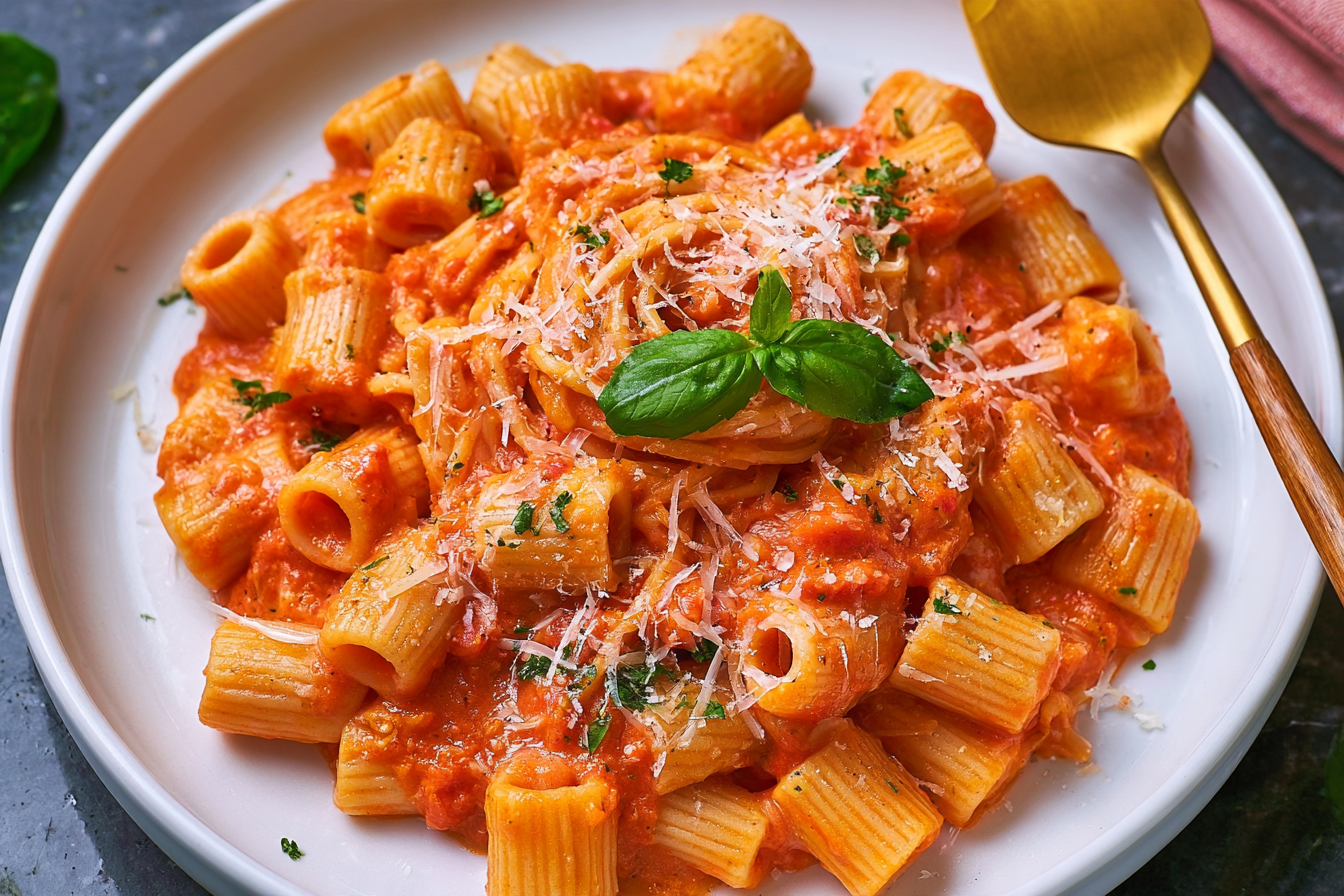
This creamy tomato pasta sauce feels like a warm kitchen hug — tangy tomatoes, a silky finish, and just enough garlic to make you sigh. I love how quickly it comes together, which is why I call it my weeknight rescue.
There was a night when the grocery run fell through and I stared at canned tomatoes and a sad pack of pasta. This sauce saved dinner and kept the cleanup mercifully small. It’s forgiving, bright, and you can tweak it to be lighter or more indulgent depending on what’s in the pantry.
Why this creamy tomato pasta sauce works
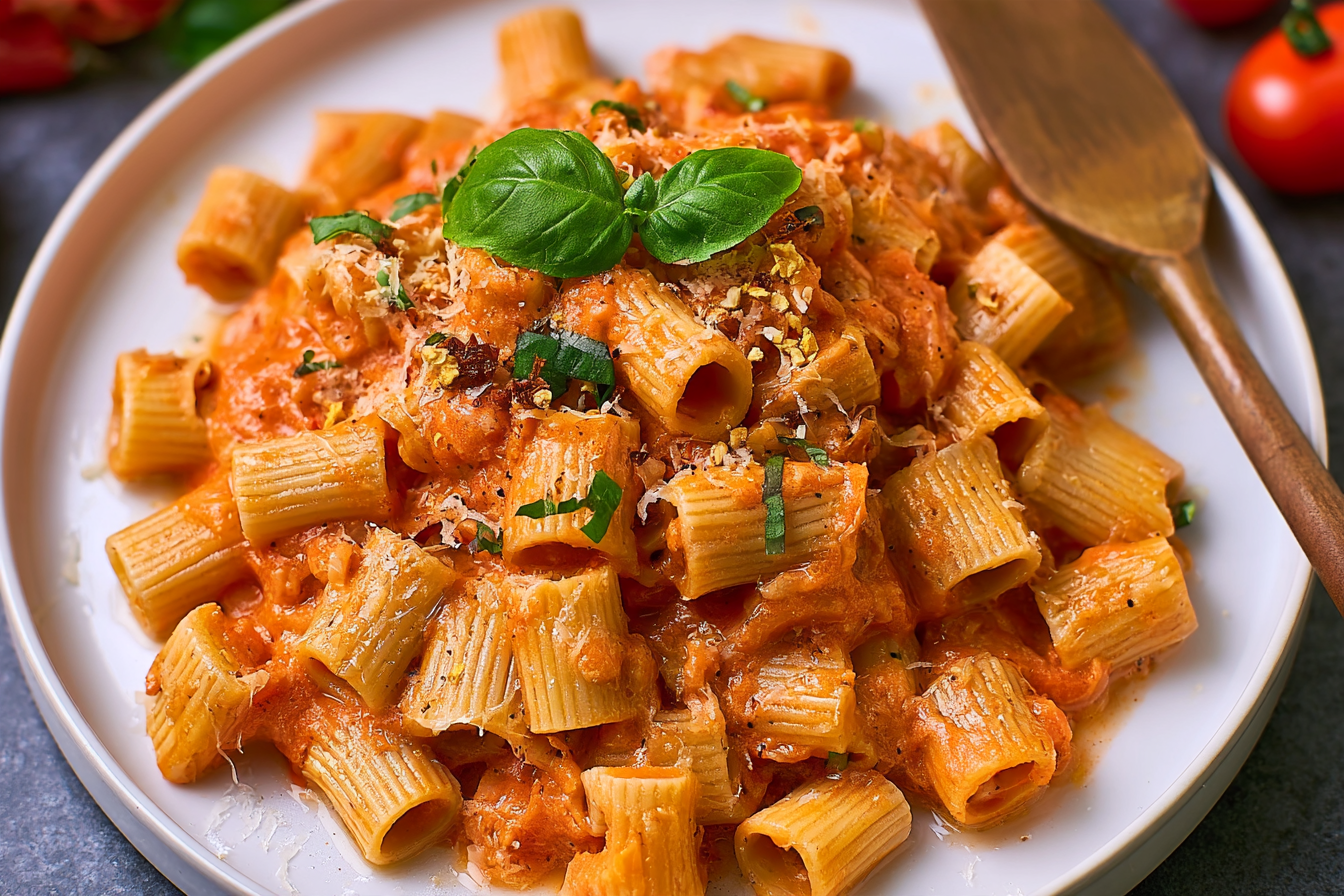
The secret is a short cook time that lets fresh flavors sing while the cream rounds the acidity. A splash of pasta water ties everything together, producing a silky emulsion without needing butter or a long simmer.
Plus, using a combination of crushed tomatoes and tomato paste gives you depth without babysitting a pot for an hour. If you want the jarred-restaurant vibe at home, this version gets you there in about 25 minutes.
Ingredients
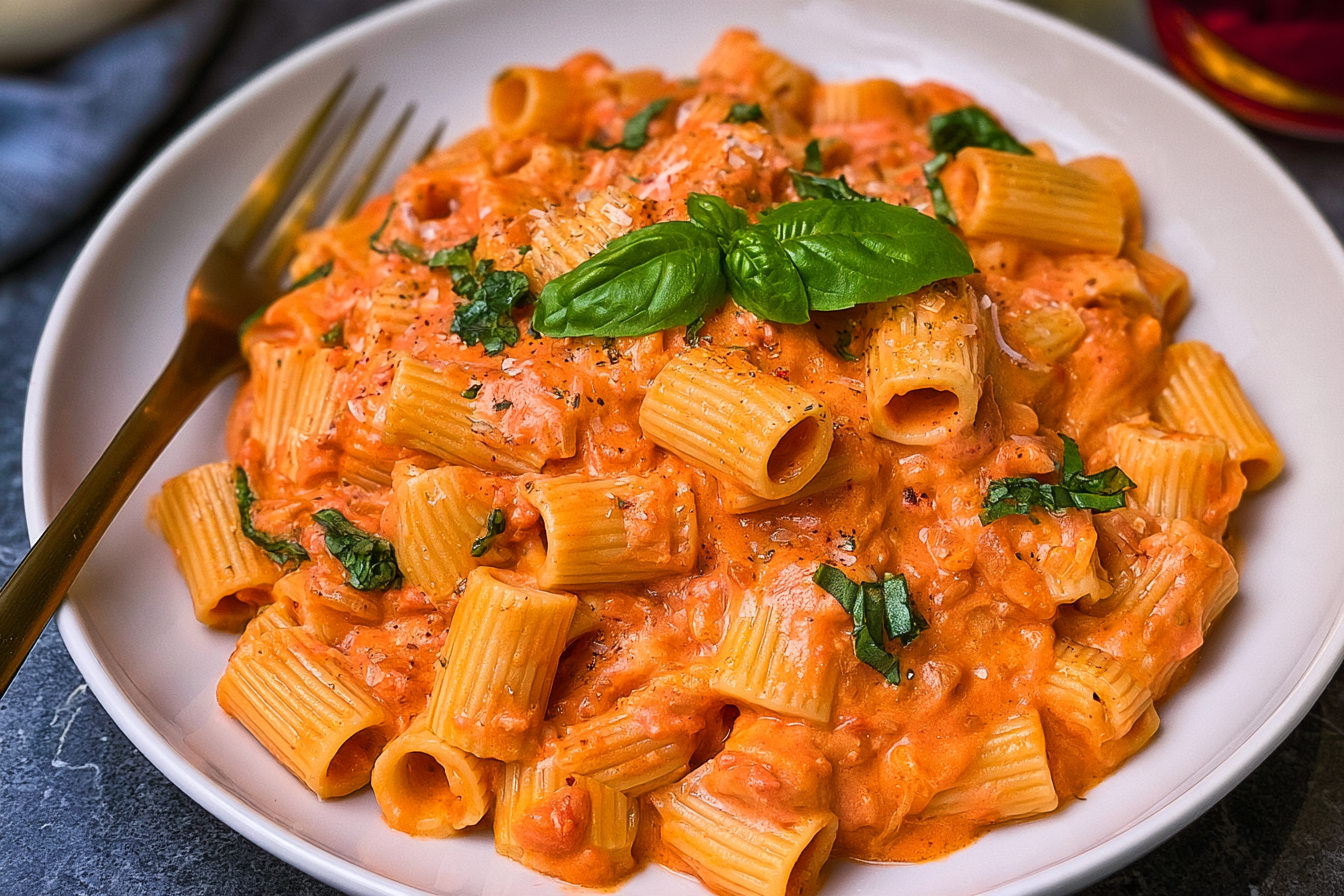
This sauce is built from pantry staples. Measure loosely if you’re tweaking for heat or creaminess — it’s a forgiving recipe.
Sauce
- 2 tablespoons extra-virgin olive oil
- 1 small yellow onion, finely diced (about 3/4 cup)
- 3 cloves garlic, minced
- 1 (28-ounce) can crushed tomatoes
- 2 tablespoons tomato paste
- 1/2 teaspoon red pepper flakes (adjust to taste)
- 1 teaspoon dried oregano or 1 tablespoon chopped fresh basil
- 1/2 cup heavy cream or half-and-half for a lighter version
- 1/2 cup reserved pasta cooking water
- Salt and freshly ground black pepper, to taste
- 2 tablespoons grated Parmesan, plus more for serving
To finish
- 12 ounces pasta (penne, rigatoni, or spaghetti)
- Fresh basil leaves and extra Parmesan, for serving
- Optional: 1 tablespoon butter for extra shine
Step-by-step: How to make creamy tomato pasta sauce
Follow these stages for the best texture. I break it down so you can multitask — boil the pasta while the sauce comes together.
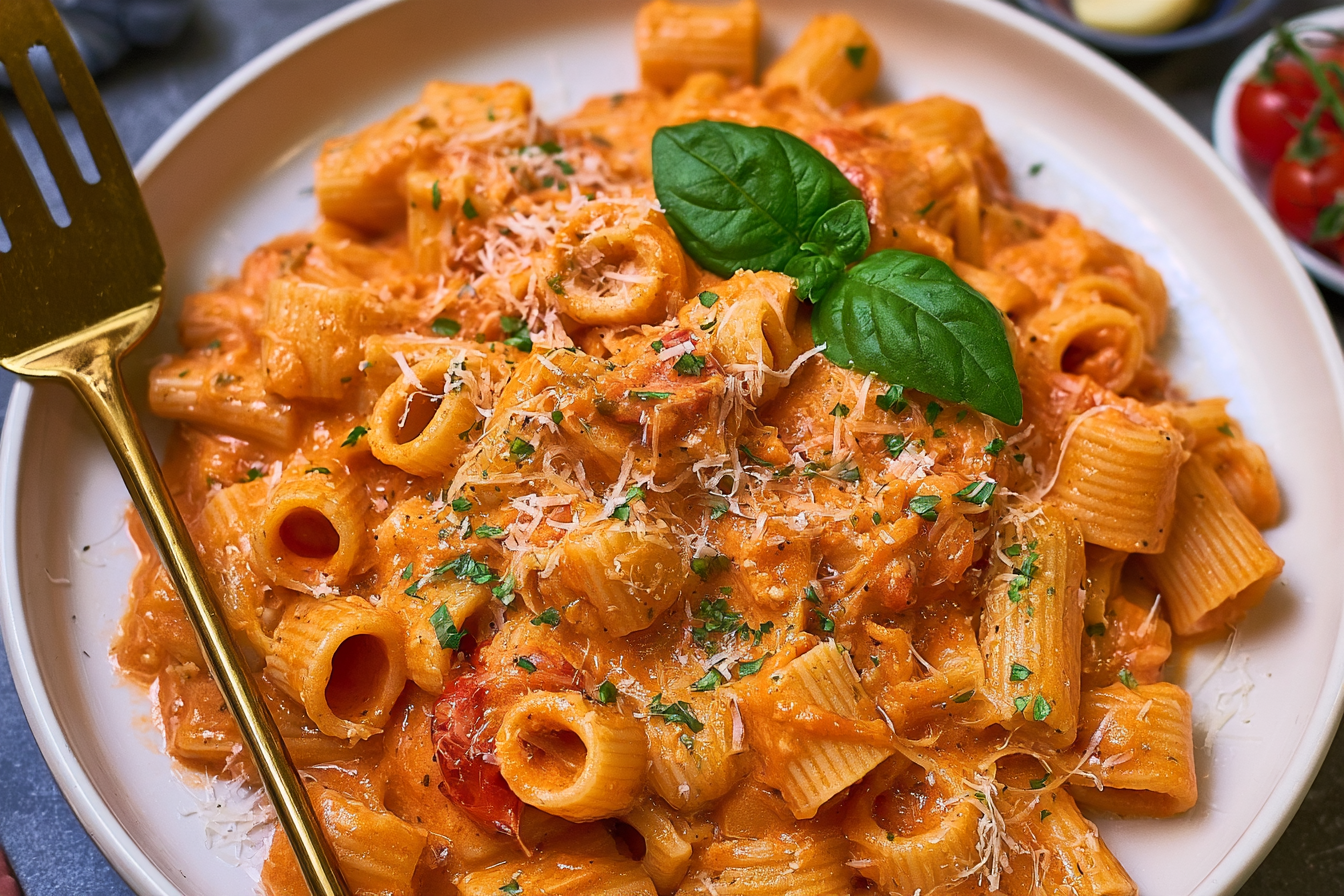
1. Start the pasta water and soften aromatics (5–8 minutes)
Bring a large pot of salted water to a rolling boil. Cook the pasta 1–2 minutes less than package directions — it will finish in the sauce.
Meanwhile, heat the olive oil in a wide skillet over medium heat. Add the diced onion and a pinch of salt, stirring occasionally until translucent, about 5 minutes. Add the garlic and cook 30–45 seconds until fragrant; don’t let it brown.
2. Build the tomato base (6–8 minutes)
Stir in the tomato paste and let it toast for a minute. This deepens the tomato flavor and adds color. Pour in the crushed tomatoes, red pepper flakes, and oregano. Bring the mixture to a gentle simmer, reduce heat to medium-low, and cook uncovered for 6–8 minutes, stirring occasionally.
Tip: Toasting the tomato paste is a small step that yields big flavor — it removes the raw edge and makes the sauce richer.
3. Emulsify to creamy perfection (3–4 minutes)
Turn off the heat and stir in the cream. Add half the reserved pasta water and whisk vigorously to create a glossy emulsion. If the sauce seems too thick, add more pasta water a tablespoon at a time until it reaches a saucy, clinging consistency.
Note: Hold some pasta water back — the starch helps the sauce stick to the noodles and smooths out any lumps.
4. Finish with cheese and pasta (2–3 minutes)
Drain the pasta, reserving more cooking water if you like. Toss the pasta directly into the skillet with the sauce. Add the grated Parmesan and toss over low heat until the cheese melts and everything is evenly coated. If you want a glossy finish, stir in the butter now.
Adjust salt and pepper, taste for acidity, and add a squeeze of lemon if it needs brightness. Serve immediately with basil and extra cheese.
Ingredient spotlight and smart swaps
Heavy cream gives the silkiest finish, but for a lighter version use half-and-half or whole milk thickened with a teaspoon of cornstarch. Greek yogurt works too — fold it in off the heat to prevent curdling.
If you prefer a dairy-free option, coconut cream adds richness though it will shift the flavor profile. For a deeper tomato note, substitute fire-roasted crushed tomatoes or add a splash of balsamic vinegar (start with 1/2 teaspoon).
Common mistakes and how to avoid them
Overcooking the garlic makes it bitter. Always add garlic to softened onions and use low heat for the toast step. Another misstep is adding cream to a high boil — it can separate. Turn off the heat or lower it before adding dairy.
Also, don’t skip the pasta water. That starchy liquid is what turns a thin tomato sauce into something that clings luxuriously to every noodle.
Make-ahead, storage, and reheating
This sauce stores beautifully. Cool completely, transfer to an airtight container, and refrigerate for up to 4 days. Freeze up to 3 months. Thaw in the fridge overnight before reheating.
For reheating, warm the sauce gently in a skillet over low heat, adding a splash of water or cream to revive the texture. Toss in freshly cooked pasta — don’t reheat cooked pasta with the sauce in the microwave; you’ll get gummy noodles.
Serving suggestions and pairings
Serve this creamy tomato pasta sauce with a crisp green salad and a glass of medium-bodied red wine. It also makes a brilliant base for adding sautéed vegetables, grilled chicken, or shrimp.
Try stirring in roasted mushrooms and spinach for a meatless dinner that still feels indulgent. For a smoky twist, add a tablespoon of smoked paprika with the tomato paste.
Variations and flavor twists
- Spicy Arrabbiata-Cream: Increase red pepper flakes and add 1 teaspoon chili paste.
- Herb-Forward: Fold in 2 tablespoons chopped fresh basil and 1 tablespoon chopped parsley at the end.
- Roasted Garlic: Roast a head of garlic and mash it into the sauce for a mellow, sweet garlic flavor.
- Meaty: Brown 8 ounces of Italian sausage (casings removed) before the onions and proceed with the recipe.
FAQ
Can I use fresh tomatoes instead of canned?
Yes — use about 2 pounds ripe tomatoes. Blanch, peel, and crush them before adding. Fresh tomatoes make a lighter, brighter sauce but you’ll need an extra 10–15 minutes to reduce the liquid slightly.
How do I make the sauce thicker or thinner?
To thicken: simmer uncovered a little longer or stir in a tablespoon of tomato paste. To thin: add reserved pasta water or a splash of broth, stirring until you reach the desired consistency.
Is this sauce freezer-friendly?
Absolutely. Cool fully, portion into freezer-safe containers, and freeze for up to 3 months. Thaw overnight in the fridge and reheat gently on the stovetop with a splash of water or cream.
Can I skip the cream to make it lighter?
Yes. Skip the cream and finish with a couple tablespoons of starchy pasta water and a generous handful of grated Parmesan to create a lighter, still-silky sauce.
What pasta shapes work best with this sauce?
Short tubular shapes like penne and rigatoni are excellent because they trap the sauce. Long strands like spaghetti or linguine also work well; they just create a different mouthfeel. Choose based on how saucy you like each bite.
Final notes and quick tips
Trust your taste. If the sauce tastes flat, a pinch of sugar or a splash of lemon brightens it. If it’s too acidic, a pat of butter or more Parmesan will round it out. Keep bread nearby — you’ll want to sop every drop.
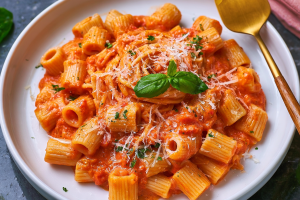
Creamy Tomato Pasta Sauce
A quick, silky creamy tomato pasta sauce that clings to pasta — made with canned tomatoes, tomato paste, cream, and Parmesan for weeknight dinners.
🛒 Ingredients
👩🍳 Instructions
Storage: Refrigerate up to 4 days or freeze up to 3 months. Reheat gently with a splash of water or cream. Substitutions: Use half-and-half instead of heavy cream for a lighter sauce; coconut cream for dairy-free; Greek yogurt folded in off the heat for tang. Tip: Reserve pasta water to adjust sauce consistency and help it cling to noodles.