

Creamy & Dreamy Dal Makhani: Your Guide to Authentic Indian Comfort

By
16 Min Read

“`html

Creamy & Dreamy Dal Makhani: Your Guide to Authentic Indian Comfort

The aroma of slow-simmered black lentils and kidney beans, infused with ginger, garlic, and a whisper of smoke, is one of those smells that instantly transports me. It’s the scent of a bustling Indian restaurant kitchen, of home-cooked warmth, and of pure, unadulterated comfort. Honestly, there are few dishes that hug your soul quite like a perfectly made Dal Makhani.

For years, I’d order it out, convinced it was one of those restaurant-only marvels, too complex for a home cook like me. Little did I know, the secret to an incredibly rich and flavorful authentic Dal Makhani recipe isn’t about dozens of obscure ingredients or complicated techniques. It’s about time, patience, and understanding a few key steps.

Today, I’m sharing the method that finally unlocked this creamy delight in my own kitchen. Forget everything you thought you knew about intimidating Indian cooking; we’re going to break it down, step by step, so you can achieve that velvety texture and deep, satisfying taste right on your stovetop.

Creamy & Dreamy Dal Makhani: Your Guide to Authentic Indian Comfort

The Heart of the Matter: What Makes Dal Makhani So Special?

Originating from Punjab, Dal Makhani literally translates to “buttery lentils.” It’s a cornerstone of North Indian cuisine, often gracing special occasions and festive tables, but equally cherished as an everyday staple. The magic truly lies in the combination of whole black lentils (urad dal) and kidney beans (rajma), cooked until incredibly tender, then enriched with butter, cream, and a fragrant tempering of spices.

Unlike many other lentil dishes, Dal Makhani achieves its signature creamy consistency not just from dairy, but from the lentils themselves breaking down after hours of slow simmering. This deep, earthy base provides the perfect canvas for the brighter notes of ginger, garlic, and green chilies, balanced by the gentle warmth of garam masala and a hint of smoky kasuri methi.

It’s a dish that demands a bit of attention but repays you tenfold with its unparalleled depth of flavor. Served with fluffy basmati rice, warm naan, or even just a simple roti, it’s a complete meal that feels both indulgent and nourishing.

Why My Method Simplifies the Process

Many traditional recipes call for soaking the lentils overnight and then pressure cooking them for a very long time. While effective, I’ve found a slightly adapted approach that still delivers that melt-in-your-mouth texture without requiring a full day of planning. We’ll focus on getting those lentils perfectly soft before building the flavor layers.

The key here is layering. Instead of throwing everything in at once, we’ll build the sauce, then fold in the cooked lentils, allowing them to meld and infuse properly. This gives you more control over the final consistency and ensures every spoonful is bursting with taste.

Gather Your Ingredients for Rich Dal Makhani

To make this luscious Dal Makhani, you’ll need some pantry staples and a few fresh aromatics. Quality ingredients truly shine here, especially when it comes to the spices and dairy.

The Lentil & Bean Base

  • 1 cup whole black urad dal (black lentils with skin)
  • 1/4 cup rajma (kidney beans)
  • 6 cups water, plus more for soaking and cooking
  • 1/2 teaspoon turmeric powder
  • 1 teaspoon salt (for cooking lentils)

Aromatic & Flavor Boosters

  • 2 tablespoons unsalted butter or ghee, divided
  • 1 tablespoon oil (vegetable or canola)
  • 1 large onion, finely chopped
  • 1 tablespoon fresh ginger, grated or finely minced
  • 1 tablespoon fresh garlic, grated or finely minced
  • 1-2 green chilies, slit lengthwise (adjust to your spice preference)
  • 1 large tomato, finely chopped or 1/2 cup tomato puree
  • 1/2 teaspoon red chili powder (Kashmiri chili powder for color, or regular for heat)
  • 1/2 teaspoon ground coriander
  • 1/4 teaspoon garam masala
  • 1/2 teaspoon kasuri methi (dried fenugreek leaves), crushed
  • Salt to taste

For That Creamy Finish

  • 1/2 cup heavy cream (or a plant-based alternative for vegan)
  • 1 tablespoon fresh cilantro, chopped (for garnish)
  • Optional: 1-2 tablespoons butter for final tempering/garnish

Ingredient Note: Whole black urad dal is crucial for that authentic texture and deep color. Don’t substitute with split urad dal, as it won’t yield the same results.

Creamy & Dreamy Dal Makhani: Your Guide to Authentic Indian Comfort

Bringing it All Together: Your Step-by-Step Dal Makhani Journey

Now that you have all your components ready, let’s transform them into a truly unforgettable dish. Remember, good food takes a little time, but the reward is immense.

Step 1: Soak and Prepare the Legumes

First things first, rinse the black urad dal and kidney beans thoroughly under cold water. You’ll want to get rid of any debris. Place them in a large bowl, cover with plenty of fresh water (at least 3-4 inches above the legumes), and let them soak for a minimum of 6 hours, or ideally, overnight. This dramatically reduces cooking time and aids in their digestibility.

Once soaked, drain and rinse them again. You’ll notice they’ve plumped up considerably.

Step 2: Cook the Lentils Until Tender

Transfer the soaked and rinsed dal and rajma to a large pot or a pressure cooker. Add 6 cups of fresh water, turmeric powder, and 1 teaspoon of salt. If using a regular pot, bring to a boil, then reduce heat to low, cover, and simmer for 1.5 to 2 hours, or until the lentils are very soft and easily mashable. Stir occasionally and add more hot water if needed to keep them submerged. In a pressure cooker, cook for about 20-25 minutes after the first whistle on medium heat. Let the pressure release naturally.

Tip: Don’t rush this step! The softness of the lentils is paramount to achieving that classic creamy Dal Makhani texture.

Step 3: Create the Flavorful Tadka (Tempering)

While the lentils are cooking, prepare your tadka. In a separate heavy-bottomed pan or kadai, melt 1 tablespoon of butter or ghee along with the oil over medium heat. Once hot, add the finely chopped onions and sauté until they turn golden brown, about 8-10 minutes. This caramelization adds a crucial depth of flavor.

Next, stir in the grated ginger, minced garlic, and slit green chilies. Sauté for another 2-3 minutes until fragrant. Be careful not to burn the garlic.

Step 4: Build the Tomato Base

Add the finely chopped tomato or tomato puree to the pan. Cook, stirring frequently, until the tomatoes break down and the mixture starts to thicken and release oil around the edges – this indicates the raw taste of the tomatoes has cooked out, typically 5-7 minutes. This step is key for a well-balanced sauce.

Now, sprinkle in the red chili powder, ground coriander, and garam masala. Cook for just 1 minute, stirring constantly, allowing the spices to toast and bloom in the oil. A splash of water can prevent burning if the pan gets too dry.

Creamy & Dreamy Dal Makhani: Your Guide to Authentic Indian Comfort

Step 5: Combine and Simmer

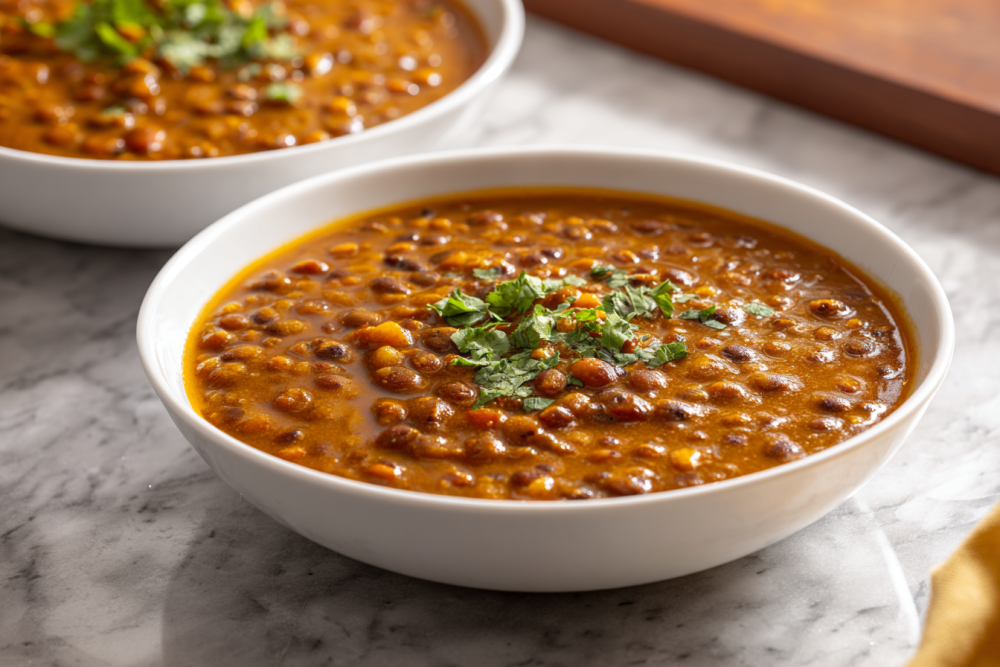
Once your lentils are perfectly tender, add them directly to the spice mixture in the pan. Use a potato masher or the back of a spoon to gently mash some of the dal against the sides of the pan. This helps release their starch and contributes to the creamy texture. Stir everything together thoroughly.

Add about 1 cup of hot water (or more, depending on your desired consistency) and bring the mixture to a gentle simmer. Cover the pan partially and let it cook for at least 20-30 minutes on low heat. The longer it simmers, the more the flavors will meld and deepen. Stir occasionally to prevent sticking.

Step 6: The Creamy Finish

Just before serving, stir in the heavy cream and the remaining 1 tablespoon of butter or ghee. Add the crushed kasuri methi – rub it between your palms before adding to release its aromatic oils. Stir well and let it simmer for another 5 minutes, allowing the cream to warm through and enrich the dal.

Taste and adjust salt as needed. Garnish generously with fresh chopped cilantro and an optional swirl of extra butter or cream before serving.

Serving Suggestions & Companions

Dal Makhani is incredibly versatile and pairs beautifully with a range of Indian breads and rice dishes. Here are some of my favorite ways to enjoy it:

  • Basmati Rice: Fluffy, steamed basmati rice is a classic pairing, perfect for soaking up every drop of that rich gravy.
  • Naan Bread: Warm, pillowy naan, especially butter naan or garlic naan, is ideal for scooping up the dal.
  • Roti or Chapati: For a lighter option, whole wheat roti or chapati works wonderfully.
  • Jeera Rice: Rice infused with cumin seeds adds another layer of subtle spice.
  • A Simple Salad: A refreshing kachumber salad (cucumber, onion, tomato with lemon juice) can cut through the richness beautifully.
  • Cooling Raita: A side of cucumber raita offers a lovely contrast to the spicy, creamy dal.

Don’t forget a squeeze of fresh lime juice just before eating; it brightens up all the flavors!

Common Dal Makhani Questions Answered

How do I achieve that restaurant-style creamy texture?

The key is thorough cooking of the lentils and gentle mashing. Soaking the lentils ensures they cook down properly. Simmering for a long time on low heat after combining them with the masalas allows them to break down further and release their starch. Don’t skimp on the cream and butter at the end; they contribute significantly to the velvety finish.

Can I make Dal Makhani vegan?

Absolutely! Simply substitute the butter with a plant-based butter or oil, and use a plant-based cream alternative like cashew cream or full-fat coconut milk (though coconut milk will impart a slight coconut flavor). The rest of the recipe is naturally vegan.

What if I don’t have kasuri methi?

While kasuri methi (dried fenugreek leaves) adds a unique, slightly bitter, and aromatic depth that’s characteristic of Dal Makhani, you can omit it if you can’t find it. The dish will still be delicious, but it will lack that subtle, authentic nuance. Don’t substitute with fresh fenugreek leaves, as the flavor is quite different.

Can I cook the lentils without soaking?

Yes, but it will take significantly longer, especially for the kidney beans. If you forget to soak, you can quick-soak them by boiling them for 10 minutes, then covering and letting them sit for an hour. After that, proceed with cooking them as usual, but expect it to take a bit longer to get them truly tender.

How can I make this Dal Makhani smokier?

For an authentic smoky flavor, you can perform a “dhungar” (charcoal smoking) technique. Heat a small piece of charcoal until it’s red hot. Place it in a small heat-proof bowl within the dal. Drizzle a teaspoon of ghee or oil over the charcoal, then immediately cover the pot tightly for 5-10 minutes. This infuses the dal with a wonderful smoky essence.

Make-Ahead & Storage Tips

Dal Makhani is one of those magical dishes that often tastes even better the next day as the flavors have more time to meld and deepen. It’s perfect for meal prepping!

  • Make Ahead: You can cook the dal base (up to Step 5) a day or two in advance. Store it in an airtight container in the refrigerator. When ready to serve, gently reheat it on the stovetop, adding a splash of water or broth if it’s too thick. Then proceed with Step 6, adding the cream and final butter/ghee.
  • Storage: Leftovers can be stored in an airtight container in the refrigerator for up to 3-4 days.
  • Freezing: Dal Makhani freezes exceptionally well. Allow it to cool completely, then transfer to freezer-safe containers or bags. It will keep in the freezer for up to 3 months. Thaw overnight in the refrigerator before reheating. You may want to add a fresh swirl of cream and butter when reheating after freezing to refresh the texture and flavor.
  • Reheating: Reheat gently on the stovetop over low heat, stirring frequently. Add a little water or milk if it has thickened too much in the fridge. For frozen dal, thaw first, then reheat on the stovetop.

Nutritional Snapshot (per serving)

This is an approximate nutritional breakdown and can vary based on specific ingredients and portion sizes.

Nutrient Amount
Calories 350 kcal
Protein 25g
Fat 12g
Saturated Fat 4g
Carbohydrates 35g
Fiber 3g
Sugar 5g
Sodium 450mg
Cholesterol 65mg

Dal Makhani offers a good source of plant-based protein and fiber, making it a hearty and satisfying dish.

There you have it—your very own guide to creating a Dal Makhani that will rival any restaurant’s. This dish is a testament to the idea that sometimes the simplest ingredients, given enough time and love, can create the most profound flavors. Don’t be afraid to adjust the spices to your preference; make it your own! I hope this brings a little bit of Indian comfort food magic into your home.

Authentic Creamy Dal Makhani

Authentic Creamy Dal Makhani

Unlock the secrets to a rich, creamy, and authentic Dal Makhani recipe with this easy-to-follow guide for soulful Indian comfort food.

5 from 1 review
Prep Time 15 mins
Cook Time 2 hours 30 mins
Total Time 2 hours 45 mins
Servings 6
Calories 350 kcal

📝 Ingredients

👩‍🍳 Instructions

  1. 1
    Rinse black urad dal and kidney beans thoroughly. Place in a large bowl, cover with plenty of fresh water, and soak for 6 hours or overnight.
  2. 2
    Drain and rinse the soaked lentils and beans again. Transfer to a large pot or pressure cooker. Add 6 cups fresh water, turmeric powder, and 1 teaspoon salt.
  3. 3
    If using a regular pot, bring to a boil, then reduce heat to low, cover, and simmer for 1.5 to 2 hours, or until very soft. Stir occasionally and add more hot water if needed. If using a pressure cooker, cook for 20-25 minutes on medium heat after the first whistle; let pressure release naturally.
  4. 4
    While lentils cook, prepare the tadka: In a separate heavy-bottomed pan, melt 1 tablespoon butter/ghee with oil over medium heat. Add chopped onion and sauté until golden brown (8-10 minutes).
  5. 5
    Stir in grated ginger, minced garlic, and green chilies. Sauté for 2-3 minutes until fragrant.
  6. 6
    Add chopped tomato or puree. Cook, stirring, until tomatoes break down and oil separates (5-7 minutes).
  7. 7
    Sprinkle in red chili powder, ground coriander, and garam masala. Cook for 1 minute, stirring constantly (add a splash of water if dry).
  8. 8
    Add the cooked, tender lentils and beans to the spice mixture. Gently mash some of the dal against the pan sides with a potato masher or spoon to thicken. Stir well.
  9. 9
    Add about 1 cup of hot water (or more for desired consistency) and bring to a gentle simmer. Cover partially and cook on low heat for at least 20-30 minutes, stirring occasionally, allowing flavors to meld.
  10. 10
    Just before serving, stir in the heavy cream and the remaining 1 tablespoon of butter/ghee. Add the crushed kasuri methi (rub between palms). Simmer for another 5 minutes.
  11. 11
    Taste and adjust salt as needed. Garnish with fresh chopped cilantro and an optional swirl of extra butter or cream. Serve hot with rice or naan.

💡 Notes

Soaking lentils is crucial for texture and cooking time. For a vegan version, use plant-based butter/oil and cream. For added smoky flavor, implement a 'dhungar' charcoal smoking technique.

🥗 Nutrition (per serving)

Calories 350 kcal
Protein 25g
Total Fat 12g
Saturated Fat 4g
Carbs 35g
Fiber 3g
Sugar 5g
Sodium 450mg
Cholesterol 65mg

Rate This Recipe

“`
Share This Article
Leave a Comment