

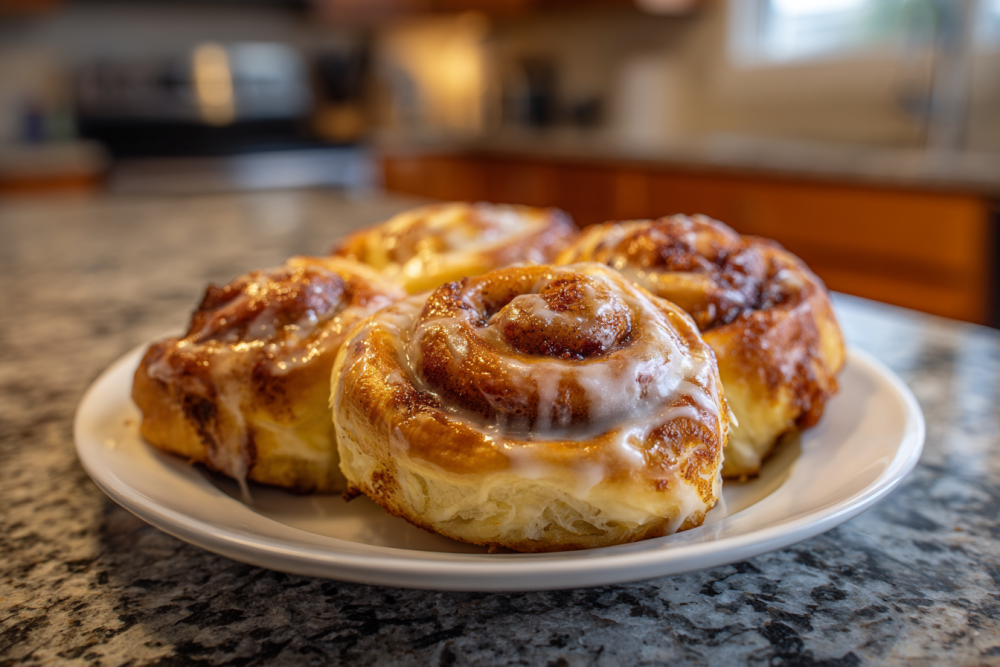
That first whiff of cinnamon baking in the oven just transports you, doesn’t it? For me, it conjures up images of cozy mornings, lazy weekends, and the kind of comforting treat that makes you forget all your worries. But let’s be honest, those classic bakery cinnamon rolls, as heavenly as they are, aren’t exactly on the menu when you’re looking for low carb options. That’s precisely why I set out to create these truly incredible keto cinnamon rolls – a recipe so good, you’ll swear they’re the real deal.
- Cracking the Code: What Makes These Low Carb Cinnamon Rolls So Special?
- Gather Your Baking Arsenal: Ingredients for Success
- Crafting Your Keto Cinnamon Rolls: Step-by-Step Goodness
- Prepare the Dough Base
- Bring the Dough Together
- Roll Out the Dough
- Spread the Cinnamon Filling
- Roll, Slice, and Bake
- Whip Up the Cream Cheese Frosting
- Frost and Serve
- Why This Recipe Truly Delivers
- Frequently Asked Questions About Keto Cinnamon Rolls
- Can I make these cinnamon rolls ahead of time?
- How do I store leftover keto cinnamon rolls?
- What if I don’t have psyllium husk powder or xanthan gum?
- Can I use a different sweetener?
- My dough is too sticky/too dry. What happened?
- Nutrition Snapshot
Cracking the Code: What Makes These Low Carb Cinnamon Rolls So Special?
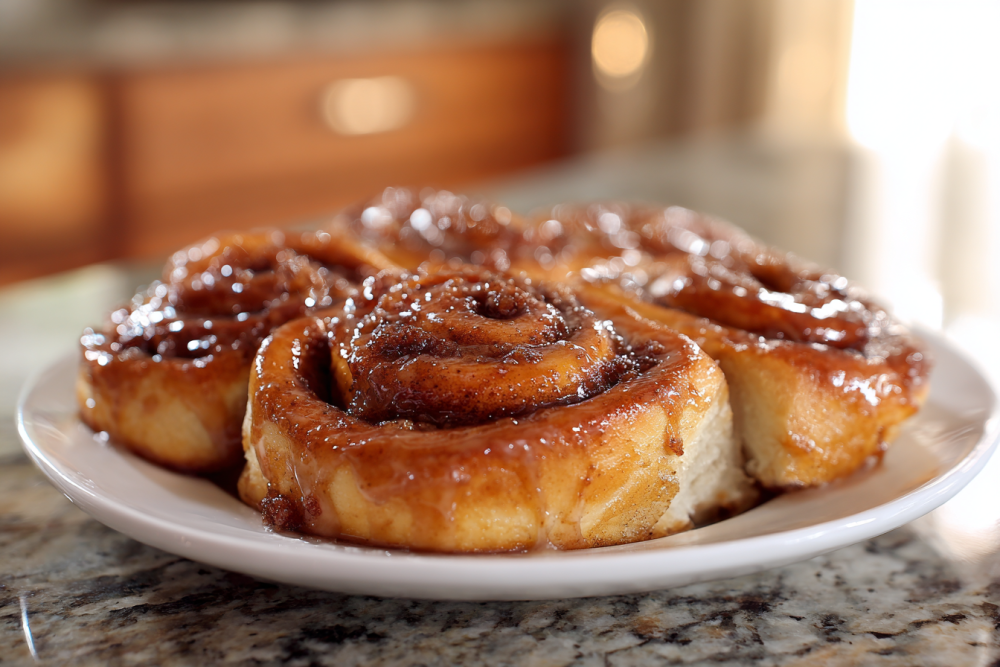
So, what’s the secret sauce (or, in this case, the secret dough) behind these amazing low carb cinnamon rolls? It really comes down to a few key players and techniques that elevate them from “okay for keto” to “absolutely irresistible.” The foundation, of course, is a carefully balanced blend of low-carb flours. We’re steering clear of heavy, almond-flour-only doughs that can sometimes result in a brick-like texture. Instead, we combine almond flour with a touch of coconut flour and a hint of psyllium husk. This trio works synergistically: almond flour provides bulk and structure, coconut flour helps absorb moisture and adds a subtle sweetness, and psyllium husk acts as a binder, giving the dough elasticity and that much-desired chewiness that’s often missing in gluten-free baking. Beyond the flours, the fat content plays a crucial role. We’re using plenty of butter – both in the dough and, crucially, in that glorious filling. Butter not only adds incredible flavor but also contributes to the tender crumb and helps these rolls brown beautifully. And speaking of that filling, we’re not skimping on the “brown sugar” experience. A blend of erythritol and a touch of allulose (my personal favorite for its browning properties and lack of aftertaste) mimics the sweetness and stickiness of traditional brown sugar, perfectly infused with generous amounts of cinnamon.Gather Your Baking Arsenal: Ingredients for Success
Getting your ingredients ready before you start is half the battle, especially with baked goods where precision matters. For these keto cinnamon rolls, we’ve broken down the components to make sure you have everything at your fingertips.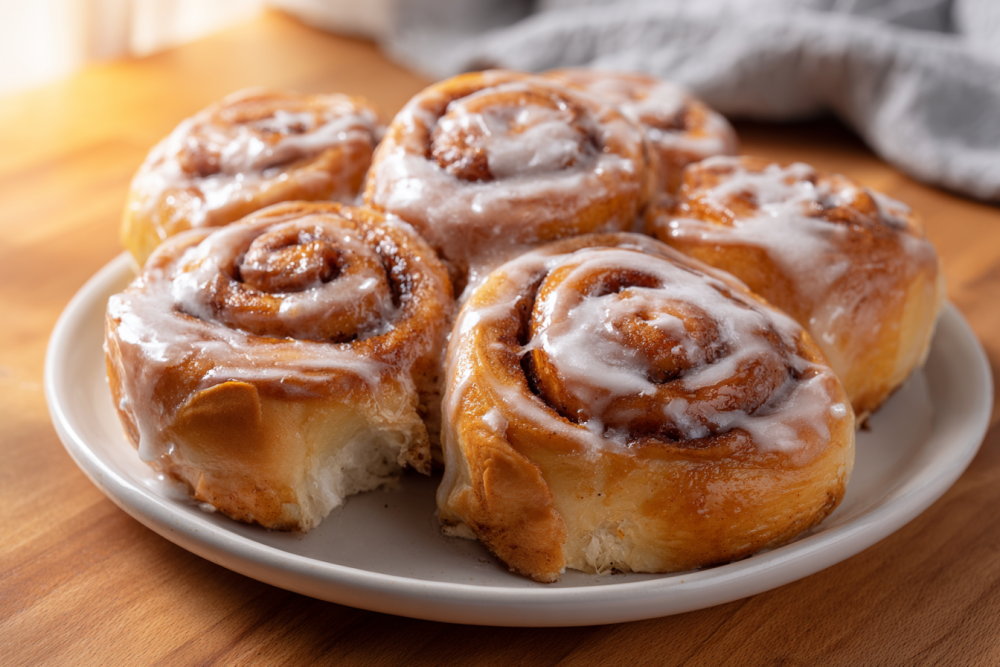
For the Tender Dough
- 3 cups (300g) super-fine almond flour
- 1/4 cup (30g) coconut flour
- 2 tablespoons psyllium husk powder (important for elasticity!)
- 1/4 cup (50g) granular erythritol or allulose blend
- 1 tablespoon baking powder
- 1/2 teaspoon xanthan gum (don’t skip this, it’s a game-changer for texture)
- 1/2 teaspoon salt
- 1/2 cup (113g) unsalted butter, melted and slightly cooled
- 3 large eggs, room temperature
- 1/2 cup (120ml) unsweetened almond milk, warmed
- 1 teaspoon vanilla extract
For the Gooey Cinnamon-Brown Sugar Filling
- 1/2 cup (113g) unsalted butter, softened
- 1/2 cup (100g) brown erythritol or allulose (brown sugar substitute)
- 2 tablespoons ground cinnamon
- Pinch of salt
For the Dreamy Cream Cheese Frosting
- 4 ounces (113g) cream cheese, softened
- 1/4 cup (56g) unsalted butter, softened
- 1/2 cup (50g) powdered erythritol or allulose
- 1/2 teaspoon vanilla extract
- 1-2 tablespoons unsweetened almond milk (as needed for consistency)
Crafting Your Keto Cinnamon Rolls: Step-by-Step Goodness
This process might look a little different from traditional cinnamon rolls, but trust me, it’s designed to give you the best possible low-carb results. Patience is a virtue, especially when working with gluten-free doughs!Prepare the Dough Base
In a large mixing bowl, whisk together the almond flour, coconut flour, psyllium husk powder, erythritol, baking powder, xanthan gum, and salt. Make sure there are no lumps; a well-combined dry mix is key.
In a separate bowl, whisk the melted butter, eggs, warm almond milk, and vanilla extract until well combined. The warm milk helps activate the psyllium husk later.
Bring the Dough Together
Pour the wet ingredients into the dry ingredients. Mix with a sturdy spoon or a stand mixer with a paddle attachment until a soft dough forms. It will be much softer than traditional wheat dough, almost like a thick batter at first. Allow the dough to rest for 10-15 minutes. This crucial resting period gives the psyllium husk time to absorb moisture and thicken the dough, making it much easier to handle. You’ll notice it becomes considerably firmer and less sticky.
Roll Out the Dough
Lightly dust a large piece of parchment paper (about 12×18 inches) with a little extra almond flour. Turn the dough out onto the parchment paper. Place another piece of parchment paper on top of the dough. Using a rolling pin, roll the dough into a roughly 10×14-inch rectangle, about 1/4 inch thick. This method prevents sticking and makes the rolling process much smoother.
Spread the Cinnamon Filling
In a small bowl, combine the softened butter, brown erythritol, cinnamon, and a pinch of salt for the filling. Mix until completely smooth and spreadable. Use an offset spatula or the back of a spoon to evenly spread this glorious mixture over the rolled-out dough, leaving a small border (about 1/2 inch) on one of the longer sides.
Tip: Ensure your butter for the filling is truly softened, not melted. It needs to hold its shape to spread evenly without oozing out.
Roll, Slice, and Bake
Starting from the long side opposite the one you left a border on, carefully and tightly roll the dough into a log. Use the parchment paper to help you lift and roll, applying gentle pressure to keep it tight. Once rolled, trim the ends if they look uneven. Using a sharp, un-serrated knife or a piece of unflavored dental floss, cut the log into 9-12 equal slices, about 1 to 1.5 inches thick.
Arrange the cinnamon rolls cut-side up in a greased 8×8 inch baking dish. Don’t overcrowd them; leave a little room for them to expand. Bake in a preheated oven at 350°F (175°C) for 25-30 minutes, or until the tops are golden brown and the rolls are set in the center. The aroma will be incredible!
Whip Up the Cream Cheese Frosting
While the rolls are baking, prepare the frosting. In a medium bowl, beat the softened cream cheese and butter together with an electric mixer until light and fluffy. Gradually add the powdered erythritol and vanilla extract, beating until smooth. If the frosting is too thick, add almond milk a teaspoon at a time until you reach your desired consistency. It should be thick enough to hold its shape but spreadable.
Frost and Serve
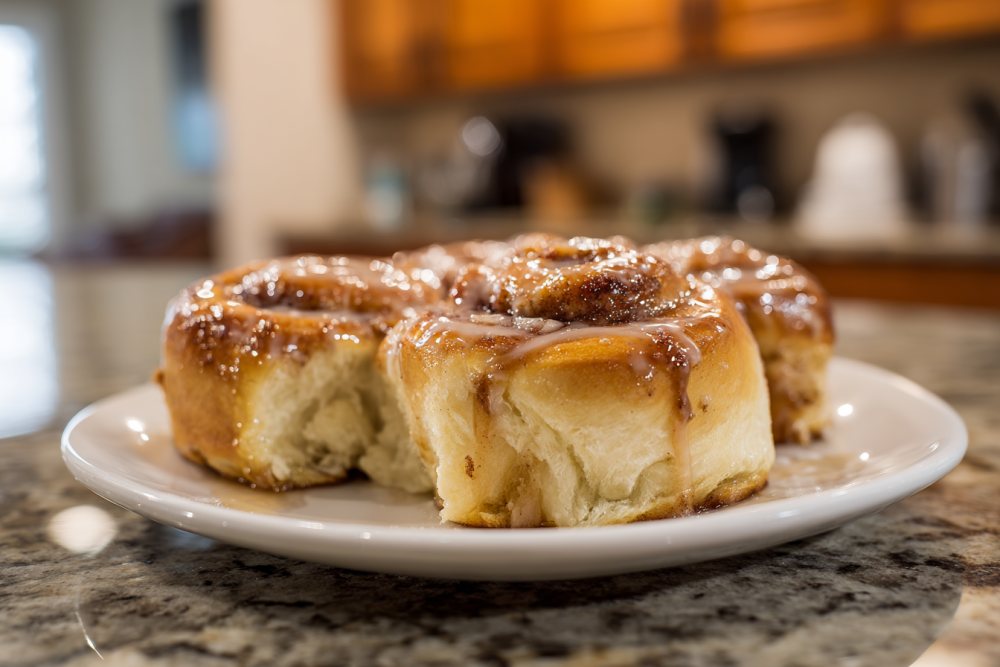
Once the keto cinnamon rolls are out of the oven, let them cool in the pan for about 5-10 minutes. This allows them to firm up slightly. Then, generously spread the cream cheese frosting over the warm rolls. The warmth of the rolls will melt the frosting just a little, creating that perfect gooey glaze we all adore. Serve immediately and enjoy every carb-conscious bite!
Why This Recipe Truly Delivers
There are countless “keto cinnamon roll” recipes out there, so what makes this one stand out? My focus was on recreating the *experience* of a traditional cinnamon roll, not just a low-carb approximation. This means prioritizing a tender, soft dough that doesn’t taste “eggy” or “almondy,” a filling that truly delivers that sticky brown sugar and cinnamon punch, and a frosting that’s rich and creamy without being overly sweet. The combination of flours, along with the xanthan gum and psyllium husk, is deliberately chosen to mimic gluten’s properties as much as possible. This is where many low-carb baked goods fall short – they lack the chew or the rise. Here, we get a beautiful rise and a satisfying texture. The use of both erythritol and allulose (if you choose to include it) also plays a big role in the sweetness profile, avoiding the sometimes-flat taste of single sweeteners and providing better browning. It’s a symphony of ingredients, all working together to bring you cinnamon roll nirvana.Frequently Asked Questions About Keto Cinnamon Rolls
Got questions? I’ve got answers. It’s perfectly normal to have a few queries when venturing into low-carb baking!Can I make these cinnamon rolls ahead of time?
Absolutely! You can prepare the dough, roll it out, spread the filling, and roll it into a log. Then, wrap the log tightly in plastic wrap and refrigerate for up to 24 hours. When ready to bake, slice the rolls, arrange them in the baking dish, and bake as directed, adding a few extra minutes to the baking time if they’re very cold.
How do I store leftover keto cinnamon rolls?
Store any leftover cinnamon rolls in an airtight container in the refrigerator for up to 3-4 days. For best results, gently reheat them in the microwave for 15-30 seconds or in a low oven until warmed through before serving. The frosting might melt a little, but the flavor will still be fantastic!
What if I don’t have psyllium husk powder or xanthan gum?
While you *can* technically make them without, I strongly recommend against omitting these ingredients. Psyllium husk is crucial for giving the dough elasticity and chew, preventing it from being crumbly. Xanthan gum helps bind everything together. Without them, the texture will be significantly different and likely less satisfying. They are staples in low-carb baking for a reason!
Can I use a different sweetener?
You can experiment with other granulated low-carb sweeteners like monk fruit or stevia blends. However, be aware that the taste, sweetness level, and browning properties might vary. Allulose is particularly good for mimicking brown sugar’s texture and caramelization, so if you have it, I highly recommend it for the filling.
My dough is too sticky/too dry. What happened?
Low-carb doughs can be sensitive. If it’s too sticky, try adding a tablespoon or two more almond flour, one at a time, until it’s manageable. If it feels too dry and crumbly, add a teaspoon of unsweetened almond milk at a time until it comes together. Humidity and the exact grind of your flours can affect consistency, so slight adjustments are sometimes needed.
Nutrition Snapshot
These figures are approximate and can vary based on exact ingredient brands and portion sizes. They are provided as a general guide for those tracking macros.
| Nutrient | Per Serving (approx.) |
|---|---|
| Calories | 350 kcal |
| Protein | 10g |
| Total Fat | 30g |
| Saturated Fat | 15g |
| Net Carbs | 4g |
| Fiber | 5g |
| Sugars | 2g |
| Sodium | 250mg |
Note: Net carbs are calculated by subtracting fiber and sugar alcohols (like erythritol) from total carbohydrates.
Ultimate Keto Cinnamon Rolls with Cream Cheese Frosting
Indulge in soft, gooey low-carb cinnamon rolls with a buttery cinnamon 'brown sugar' filling, topped with tangy cream cheese frosting. Perfect for keto!
📝 Ingredients
👩🍳 Instructions
-
1Preheat oven to 350°F (175°C). Lightly grease an 8x8 inch baking dish.
-
2In a large bowl, whisk together almond flour, coconut flour, psyllium husk powder, granular erythritol, baking powder, xanthan gum, and salt.
-
3In a separate bowl, whisk together melted butter, eggs, warm almond milk, and vanilla extract.
-
4Pour the wet ingredients into the dry ingredients and mix until a soft dough forms. Let the dough rest for 10-15 minutes to allow the psyllium husk to thicken it.
-
5Lightly dust a large piece of parchment paper (approx. 12x18 inches) with almond flour. Transfer the dough onto the parchment, place another piece on top, and roll into a roughly 10x14-inch rectangle, about 1/4 inch thick.
-
6For the filling, combine softened butter, brown erythritol, cinnamon, and a pinch of salt in a small bowl. Mix until smooth. Spread this mixture evenly over the rolled dough, leaving a 1/2-inch border on one long side.
-
7Starting from the long side opposite the border, carefully and tightly roll the dough into a log. Use the parchment paper to assist you. Trim uneven ends.
-
8Cut the log into 9-12 equal slices (1 to 1.5 inches thick) using a sharp knife or dental floss. Arrange the slices cut-side up in the prepared baking dish.
-
9Bake for 25-30 minutes, or until the tops are golden brown and rolls are set.
-
10While rolls bake, prepare the frosting: Beat softened cream cheese and butter until fluffy. Gradually add powdered erythritol and vanilla extract, beating until smooth. Add almond milk, 1 tsp at a time, if a thinner consistency is desired.
-
11Let baked rolls cool for 5-10 minutes in the pan before generously spreading with frosting. Serve warm.
💡 Notes
For best texture, do not skip psyllium husk powder or xanthan gum. Ensure all ingredients are at room temperature for smooth mixing. Leftovers store well in an airtight container in the fridge for 3-4 days; reheat gently.