
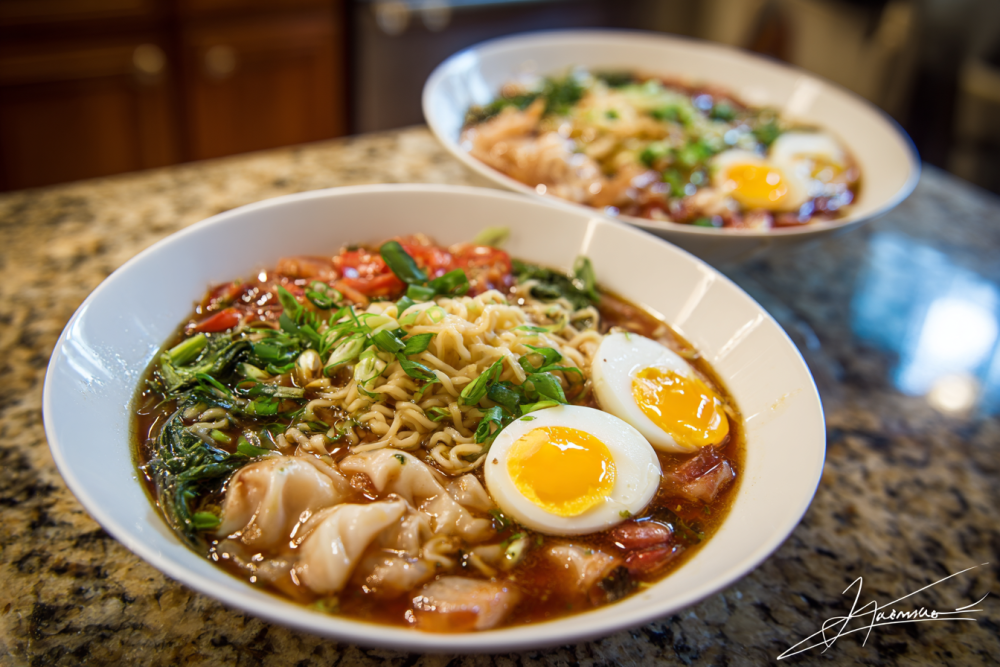
There’s a hum that fills my kitchen when a pot of broth is simmering, the kind that promises warmth and comfort with every bubbling breath. Sometimes, that hum is all I need to shake off a long day, especially when it culminates in a dish like this speedy dumpling ramen bowl. It’s the kind of meal that feels both incredibly indulgent and surprisingly quick to pull together, a true weeknight hero.
- Bringing the Ramen Shop Vibe Home: Why This Recipe Works
- Gather Your Kitchen Essentials: What You’ll Need
- Crafting Your Comfort: Step-by-Step Instructions
- 1. Building Your Flavorful Broth
- 2. Adding Those Delicious Dumplings
- 3. Noodle Time & Greens
- 4. Preparing Your Eggs
- 5. Assembling Your Bowls of Bliss
- Common Questions About Your Dumpling Ramen
- Can I use fresh noodles instead of dried ramen?
- What kind of frozen dumplings work best?
- How can I make this ramen vegetarian or vegan?
- Can I add other vegetables?
- How do I store leftovers?
- Beyond the Bowl: Variations and Add-Ins
- A Few More Tips for Ramen Perfection
- Storage and Reheating Wisdom
- A Word on the Nutritional Side
Bringing the Ramen Shop Vibe Home: Why This Recipe Works
What makes this particular dumpling ramen bowl such a standout? It’s really the clever combination of shortcuts and fresh additions. Instead of making dumplings from scratch (a delightful but time-consuming project for another day!), we’re leaning on the freezer aisle’s best friends: frozen dumplings. This humble ingredient becomes the star, offering tender, flavorful bites in every spoonful. Then there’s the broth. We’re not just using water and a bouillon cube here. We’re building a vibrant base with aromatics like ginger and garlic, fortified with soy sauce, sesame oil, and a touch of rice vinegar for that irresistible umami punch. It’s a broth that tastes like it’s been simmering all day, even though it comes together in minutes. This whole approach ensures you get deep, nuanced flavors in a fraction of the time.Gather Your Kitchen Essentials: What You’ll Need
For the Broth Base:
- 6 cups (1.4 liters) low-sodium chicken or vegetable broth
- 2 cloves garlic, minced
- 1-inch piece fresh ginger, grated or thinly sliced
- 2 tablespoons soy sauce (or tamari for gluten-free)
- 1 tablespoon rice vinegar
- 1 teaspoon sesame oil
- ½ teaspoon red pepper flakes (optional, for a kick)
For the Dumplings & Toppings:
- 1 (16-ounce) package frozen potstickers or dumplings (pork, chicken, or vegetable)
- 2 large eggs, soft-boiled or fried
- 2 cups fresh spinach or baby bok choy, roughly chopped
- 4 ounces ramen noodles (from a packet, discard seasoning, or fresh)
- 2 green onions, thinly sliced
- Nori (dried seaweed) sheets, cut into strips (optional)
- Sesame seeds, for garnish (optional)
Crafting Your Comfort: Step-by-Step Instructions
This is where the magic truly unfolds. Follow these steps, and you’ll be enjoying a flavorful, deeply satisfying ramen bowl in no time.1. Building Your Flavorful Broth
In a large pot or Dutch oven, combine the chicken or vegetable broth, minced garlic, grated ginger, soy sauce, rice vinegar, sesame oil, and red pepper flakes (if using). Bring this mixture to a gentle simmer over medium heat. Let it bubble lightly for about 5-7 minutes, allowing all those incredible aromas to meld together. This step is crucial for developing the depth of flavor.
2. Adding Those Delicious Dumplings
Once your broth is fragrant, carefully add the frozen dumplings to the simmering liquid. Make sure they’re not stuck together. Cook them according to package directions, which is usually around 5-8 minutes, or until they float to the surface and are tender through and through.
Tip: Don’t overcrowd the pot. If you’re making a very large batch, you might need to cook the dumplings in two shifts to ensure they cook evenly and the broth maintains its temperature.
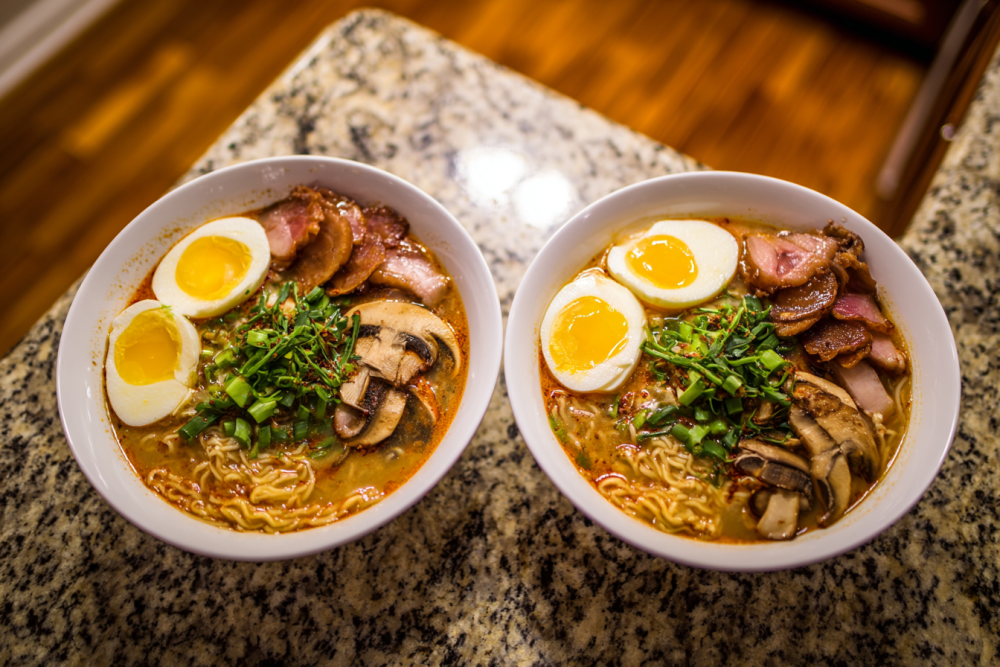
3. Noodle Time & Greens
While the dumplings are cooking, add the ramen noodles to the pot. Cook them for the time specified on their package, typically 2-3 minutes for fresh noodles, or 3-4 minutes for dried. A minute before the noodles are done, stir in your fresh spinach or baby bok choy. The residual heat from the broth will wilt the greens perfectly, keeping them vibrant and tender-crisp.
4. Preparing Your Eggs
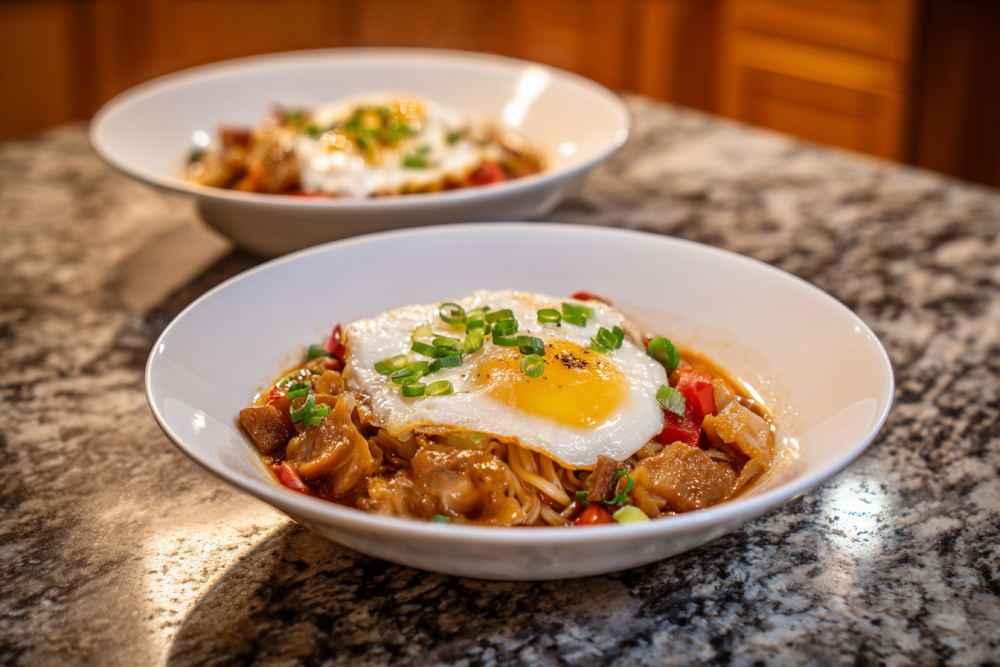
Meanwhile, if you haven’t already, prepare your soft-boiled eggs. You can boil them for 6-7 minutes for a jammy yolk, then peel and halve them. Alternatively, for a quick and easy option, you can fry an egg sunny-side up or over easy to place directly on top of your finished bowl.
5. Assembling Your Bowls of Bliss
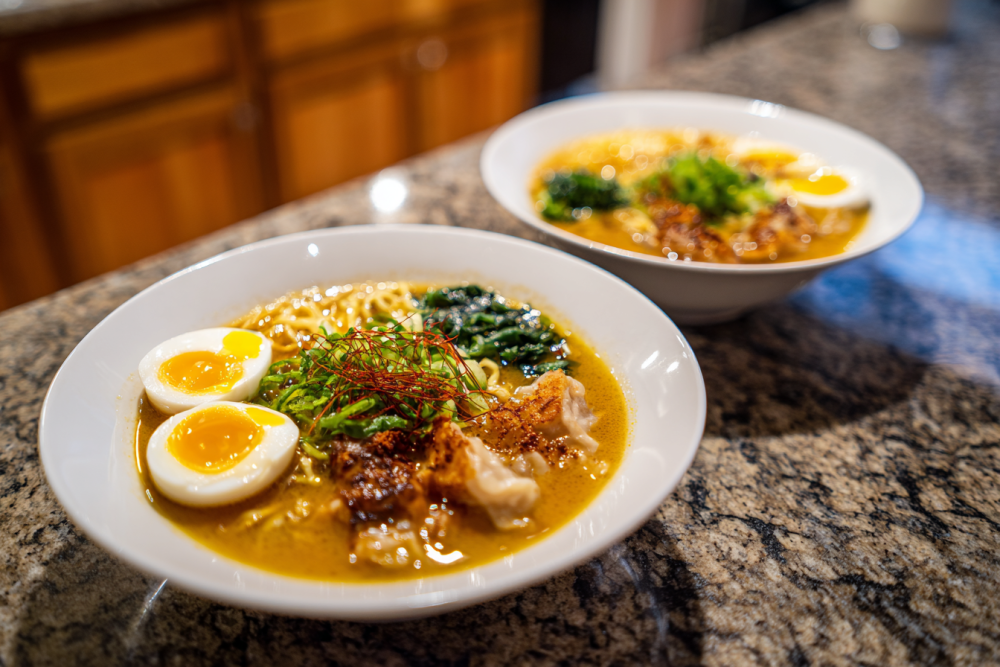
Carefully ladle the hot broth, noodles, and dumplings into two large serving bowls. Arrange the halved soft-boiled eggs on top. Garnish generously with the sliced green onions, strips of nori, and a sprinkle of sesame seeds, if desired. Serve immediately and savor every slurp!
Common Questions About Your Dumpling Ramen
Can I use fresh noodles instead of dried ramen?
Absolutely! Fresh ramen noodles are fantastic in this recipe. Just adjust the cooking time as necessary – they often cook much faster than dried varieties, usually within 1-2 minutes.
What kind of frozen dumplings work best?
Any kind you enjoy! Pork and vegetable dumplings are classic choices, but chicken, shrimp, or even vegan varieties will work beautifully. Choose your favorite, or experiment with a few different kinds for variety.
How can I make this ramen vegetarian or vegan?
To make it vegetarian, use vegetable broth and ensure your chosen frozen dumplings are meat-free. For a vegan version, stick with vegetable broth, choose vegan dumplings, and skip the egg or replace it with a firm tofu slice, pan-fried until golden.
Can I add other vegetables?
Yes, please do! Sliced mushrooms, shredded carrots, corn kernels, or even thinly sliced bell peppers would be wonderful additions. Add heartier vegetables like carrots or mushrooms to the broth earlier with the dumplings so they have enough time to cook through.
How do I store leftovers?
It’s best to store the broth and solids (dumplings, vegetables) separately from the cooked noodles if you anticipate leftovers. This prevents the noodles from becoming too soggy. Reheat the broth and solids gently on the stovetop, then add fresh or previously cooked (and drained) noodles right before serving.
Beyond the Bowl: Variations and Add-Ins
This recipe is incredibly versatile, a true blank canvas for your culinary whims. Think of it as a launching pad for endless deliciousness. Want more heat? A drizzle of chili oil or sriracha at the end will do the trick. Looking for a richer broth? Stir in a tablespoon of miso paste just before serving, whisking until dissolved. The miso adds a complex, fermented depth that is simply divine. For an extra layer of protein, consider adding shredded cooked chicken or thin slices of pork belly alongside your dumplings. If you’re a mushroom lover, rehydrated dried shiitake mushrooms (use the soaking liquid in the broth for even more umami!) or fresh sliced cremini mushrooms gently sautéed before adding to the broth can elevate the flavor profile. Don’t be afraid to make it your own!A Few More Tips for Ramen Perfection
Bringing this dish to life in your kitchen is about more than just following steps; it’s about understanding the nuances that elevate a good meal to a great one. Don’t skimp on the fresh aromatics. That ginger and garlic aren’t just there for a whisper of flavor; they’re the vibrant heart of your broth. Use fresh, and you’ll taste the difference. Grating the ginger rather than just slicing it releases more of its pungent, warming oils, infusing the broth more thoroughly. When it comes to the noodles, pay close attention to the cooking times. Overcooked noodles can turn mushy and lose their delightful chew. If you’re using instant ramen packets, discard the seasoning packet (unless you want to add a tiny pinch for extra salt, but be careful as the broth is already seasoned). We’re building a more sophisticated flavor profile here than what’s in those little packets. Finally, the garnishes aren’t just for show. The bright, crisp bite of green onions, the subtle brininess of nori, and the nutty crunch of sesame seeds all contribute to the overall experience. They add contrast and texture, making each spoonful a delightful exploration of flavors. So, don’t skip them – they’re the finishing touch that truly makes your bowl sing.Storage and Reheating Wisdom
The beauty of a quick meal doesn’t always extend to its leftovers, especially with noodles. Cooked ramen noodles have a tendency to swell and become less pleasant in texture the longer they sit in liquid. To combat this, if you’re making a larger batch and expecting to have leftovers, I highly recommend storing the broth with the dumplings and vegetables separately from any leftover cooked noodles. When you’re ready for another round of comfort, gently reheat the broth mixture on the stovetop until simmering. You can then add freshly cooked noodles, or if you have some pre-cooked noodles, give them a quick dunk in the hot broth just to warm through. This method keeps everything tasting fresh and prevents that unfortunate soggy noodle situation. The goal is always a bowl that feels just as good as the first time.A Word on the Nutritional Side
While this dumpling ramen bowl is undeniably delicious and comforting, it’s also packed with good-for-you ingredients. The broth base, rich in aromatics, provides antioxidants. Lean protein from the dumplings and egg helps keep you full and satisfied. The fresh spinach or bok choy contributes essential vitamins and fiber, turning this into a well-rounded meal. It’s a fantastic way to nourish your body while indulging your taste buds.| Nutrient | Amount Per Serving |
|---|---|
| Calories | 350 kcal |
| Protein | 25g |
| Fat | 12g |
| Saturated Fat | 4g |
| Carbohydrates | 35g |
| Fiber | 3g |
| Sugar | 5g |
| Sodium | 450mg |
| Cholesterol | 65mg |
Speedy Dumpling Ramen Bowls
A quick and comforting dumpling ramen bowl made with frozen dumplings, flavorful broth, soft eggs, and fresh greens.
📝 Ingredients
👩🍳 Instructions
-
1In a large pot or Dutch oven, combine the chicken or vegetable broth, minced garlic, grated ginger, soy sauce, rice vinegar, sesame oil, and red pepper flakes (if using). Bring to a gentle simmer over medium heat. Allow to simmer for 5-7 minutes to meld flavors.
-
2Add the frozen dumplings to the simmering broth. Cook according to package directions, typically 5-8 minutes, or until they float and are cooked through.
-
3Add the ramen noodles to the pot with the dumplings. Cook for the time specified on their package (2-3 minutes for fresh, 3-4 minutes for dried). A minute before the noodles are done, stir in the fresh spinach or baby bok choy to wilt.
-
4While the noodles cook, prepare your eggs. Soft-boil for 6-7 minutes, then peel and halve. Alternatively, fry eggs to your preference.
-
5Carefully ladle the hot broth, noodles, and dumplings into two large serving bowls. Top each bowl with a halved soft-boiled egg. Garnish generously with sliced green onions, nori strips, and sesame seeds, if desired. Serve immediately.
💡 Notes
For best leftovers, store broth and solids separately from cooked noodles to prevent sogginess. Reheat broth, then add fresh or briefly warmed noodles.