


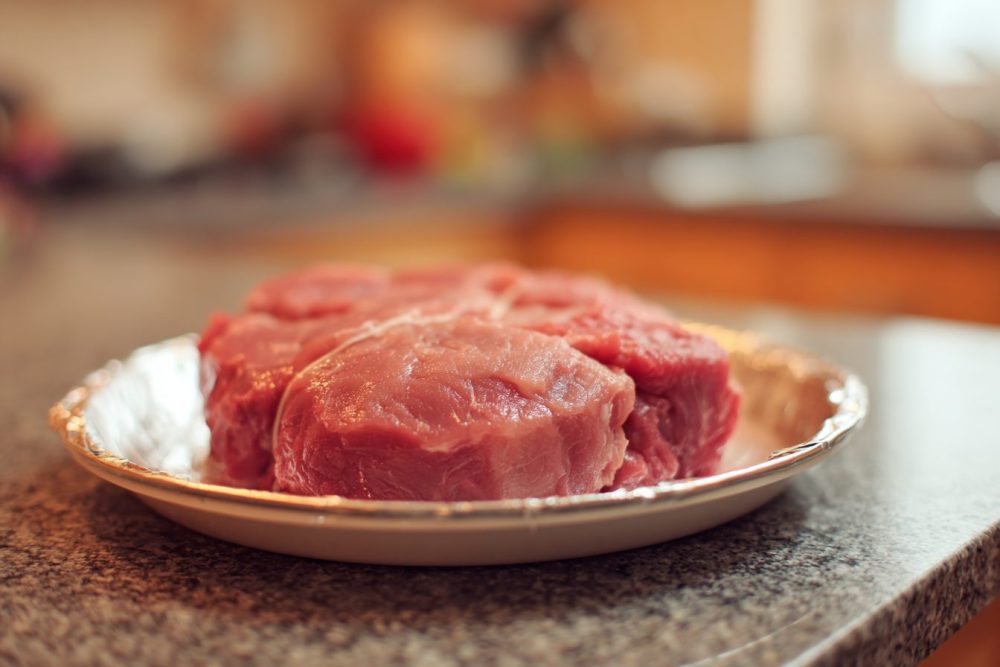
Okay, deep breath. Who else has felt that familiar pang of dread when you’re about to slice your perfectly roasted chicken or a tenderloin, only to realize your cutting board is tiny, or worse, about to be swimming in precious meat juices? I’ve been there, more times than I care to admit. But then, a few years back, during a particularly chaotic weeknight dinner prep, I stumbled upon a technique that felt so ridiculously simple, yet utterly transformative: cutting meat perfectly on tin foil. It’s one of those kitchen hacks that makes you wonder why you didn’t think of it sooner.
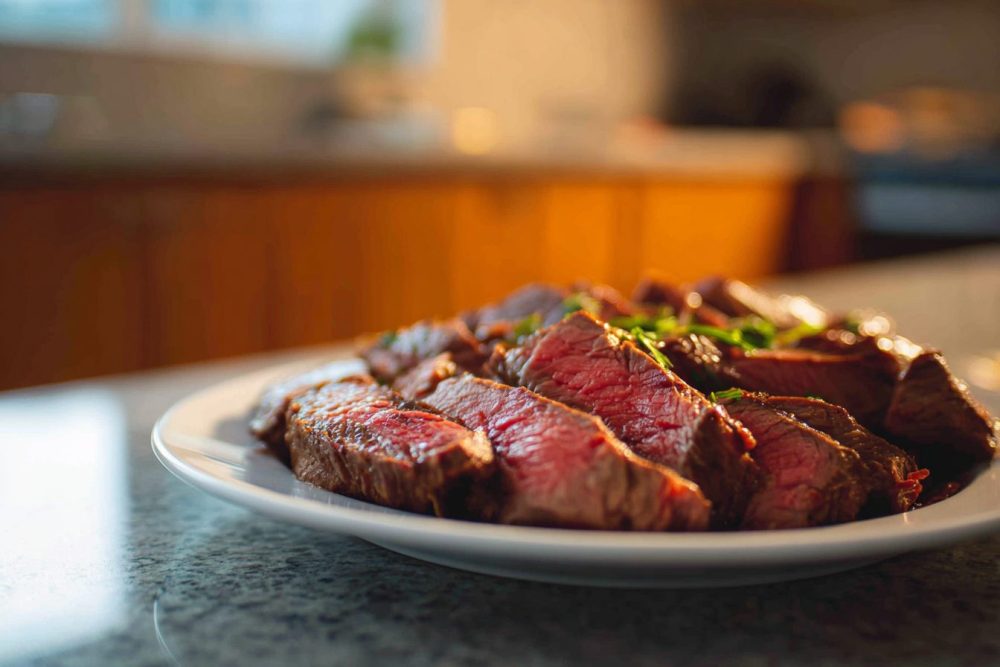
Why Your Cutting Surface Matters More Than You Think
You might be thinking, “It’s just where I slice the meat, how big of a difference can it make?” A surprisingly big one, actually. Traditional cutting boards, while essential, can sometimes absorb juices or prove tricky to clean thoroughly after handling raw or cooked meats, especially if they have deep grooves. The beauty of tin foil is its impermeability and malleability. It creates a seamless, non-absorbent barrier that keeps everything contained. Think about it: when you pull a magnificent roast out of the oven, it’s still carrying a lot of internal heat, and the juices are very mobile. Slicing it immediately on a cold, hard surface can shock the meat, causing those juices to immediately release and spread. By using foil, you’re creating a warmer, more forgiving surface that also allows you to easily funnel any escaped liquids right back over the sliced meat or into a pan for a quick sauce. It’s truly a game-changer for maintaining tenderness and taste.Gathering Your Gear: The Essentials for Foil-Friendly Slicing
Before we get into the nitty-gritty of the technique, let’s make sure you’ve got everything you need. This is a minimalist approach, so you won’t need much, but having the right tools makes all the difference. We’re aiming for efficiency and deliciousness here, folks!The Star Players:
- Heavy-duty tin foil: Don’t skimp here. The thinner stuff tears easily and won’t hold up to your knife. Go for the good, sturdy stuff that can handle a bit of pressure.
- A sharp carving knife: A dull knife is a dangerous knife, and it also mangles your meat. A sharp blade ensures clean, precise cuts, preserving the texture and appearance of your protein.
- A sturdy cutting board (as a base): While we’re cutting *on* foil, you still need a solid, non-slip surface underneath for stability. The foil will sit on top of this.
- Tongs or a carving fork: To hold the meat steady while you slice, preventing it from slipping and ensuring even cuts.
Prepping Your Surface: Setting Up for Success
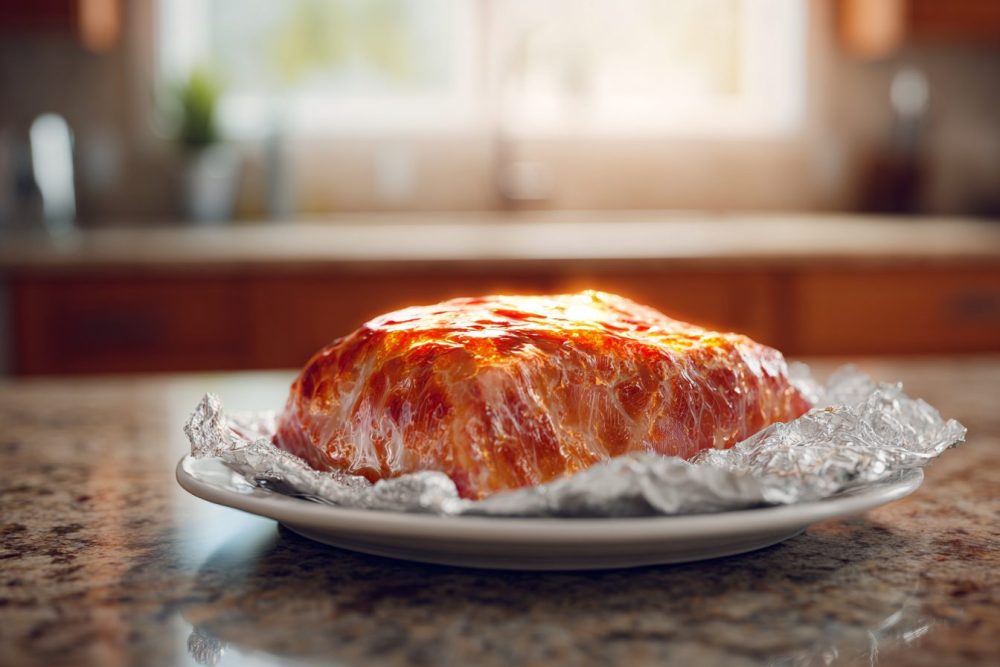
This step is crucial and takes all of about 10 seconds. Don’t rush it! A well-prepared foil surface makes the entire process incredibly smooth and mess-free. It’s all about creating a little fortress for those precious meat juices.Laying the Foundation:
- Grab a generous sheet of heavy-duty foil: You want enough to extend well beyond the size of your meat on all sides. Imagine you’re creating a small, shallow boat.
- Layer it up: For larger, heavier cuts like roasts or whole chickens, I often use two layers of foil for extra durability and insulation. It prevents any accidental punctures.
- Create a slight “well”: Gently crimp up the edges of the foil around the perimeter, creating a shallow lip or rim. This forms a barrier that will catch any juices that escape during slicing, keeping them from running onto your counter or cutting board.
- Place it on your cutting board: Position this foil-lined “boat” securely on your regular cutting board. This provides the necessary stability and height for comfortable slicing.
The Art of the Slice: Mastering Your Meat Cuts
Now for the main event! Whether you’re dealing with a juicy steak, a tender pork loin, or a whole roasted chicken, the principles remain similar. The goal is clean, even slices that showcase the internal perfection of your cooked meat, all while retaining maximum moisture.Methodical Slicing Steps:
- Rest the meat (crucial!): Before you even think about cutting, let your cooked meat rest. This allows the juices to redistribute throughout the muscle fibers, resulting in a more tender and flavorful product. How long? Roughly 10-15 minutes for smaller cuts like steaks, up to 20-30 minutes for larger roasts or whole poultry. Tent it loosely with foil during this time.
- Position the meat: Once rested, carefully transfer your meat onto your prepared foil surface. Make sure it’s centered and stable.
- Identify the grain: For most cuts of beef and pork, you want to slice *against* the grain. This shortens the muscle fibers, making the meat much more tender to chew. Look for the parallel lines of the muscle fibers and slice perpendicularly to them. Poultry generally doesn’t require as much attention to grain, but clean, even slices are still key.
- Steady your hand: Use your tongs or carving fork to hold the meat firmly in place on the foil. Avoid pressing down too hard, which can squeeze out juices.
- Slice with purpose: With your sharp knife, use a smooth, sawing motion rather than a hacking one. Let the knife do the work. Start with smaller, thinner slices – you can always make them thicker if you prefer, but you can’t un-slice a thick piece. Tip: For perfectly even slices, try to keep your knife at a consistent angle as you work your way across the meat. Imagine you’re trying to create uniform ribbons.
- Collect those juices: As you slice, you’ll notice juices pooling in the crimped foil. Don’t let them go to waste! You can spoon them directly over the sliced meat for extra moisture and flavor, or pour them into a small saucepan to make a quick pan sauce or gravy.
- Serve immediately: Once sliced and optionally bathed in its own juices, serve your meat right away to enjoy it at its peak temperature and tenderness.
What Makes This Simple Technique So Brilliant?
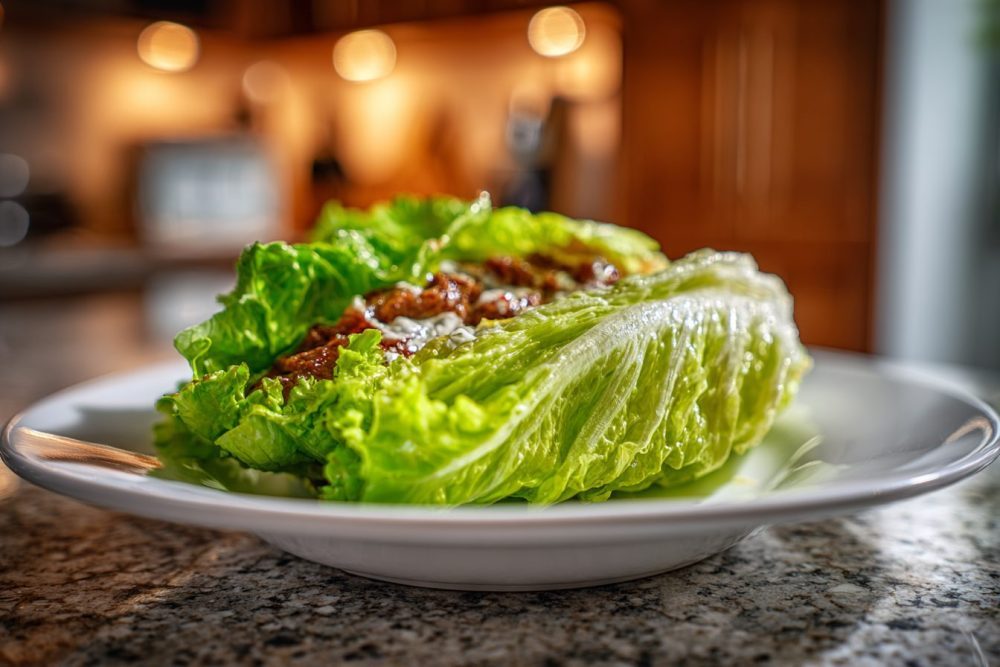
Beyond the obvious ease of cleaning up (which, let’s be honest, is a huge win!), there are a few subtle yet powerful reasons why cutting on tin foil elevates your cooking game. It’s not just a hack; it’s a smart kitchen practice. First, the foil acts as a thermal buffer. When your hot meat comes off the pan or out of the oven, placing it directly on a cold cutting board can cause it to lose heat rapidly, potentially seizing up some of those muscle fibers and pushing out more juices. The foil, especially if layered, provides a slightly insulating layer, helping the meat maintain its internal temperature more evenly as you slice. Secondly, that slightly crimped edge on the foil is pure genius. Instead of juices running everywhere, they collect neatly. This isn’t just for cleanliness; those juices are packed with flavor. You can easily pour them over your sliced meat, ensuring every piece is extra succulent, or – my personal favorite – incorporate them into a quick sauce. Imagine that rich, savory liquid from a roasted chicken or prime rib enhancing every single bite. It’s a flavor multiplier!Common Questions Around Foil-Cutting
Got some lingering questions about this method? You’re not alone. Here are a few common queries I get about slicing on foil.Can I use parchment paper instead of tin foil?
While parchment paper is great for baking and lining pans, it’s not ideal for cutting meat. It’s much less durable, tears easily under a knife, and won’t hold juices effectively like foil does. Stick to heavy-duty tin foil for this technique.
Does the foil leach chemicals into the meat?
For brief contact with cooked meat during slicing, especially when the meat is cooling, the risk of aluminum leaching is negligible. Aluminum foil is generally considered safe for food contact within typical cooking and serving practices. If you’re concerned, ensure your meat isn’t overly acidic and isn’t sitting on the foil for extended periods.
What if my meat is really greasy?
The foil is actually fantastic for greasy meats! The crimped edges will contain the grease, preventing it from spreading across your countertop. You can then easily pour off any excess grease before serving or using the flavorful drippings for a sauce.
Is this method safe for all types of meat?
Absolutely! This technique works beautifully for beef (roasts, steaks), pork (loins, shoulders), lamb, and all forms of poultry (whole roasted chicken, turkey breast). The benefits of juice retention and easy cleanup apply across the board.
How do I dispose of the foil cleanly?
Once you’re done slicing, simply gather the edges of the foil inward, creating a bundle that contains all the scraps, bones, and collected juices. This neat package can then be easily transferred to your garbage can, leaving your cutting board virtually spotless.
There you have it. A humble piece of tin foil, elevated to kitchen hero status. This simple shift in how you approach carving your cooked meats truly makes a difference, and once you try it, you’ll wonder how you ever managed without it. Happy slicing!
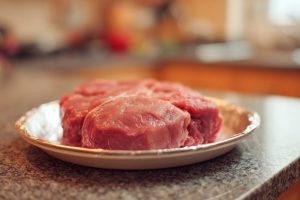
Effortless Foiled Meat Slicing Technique
Learn to cut meat perfectly on tin foil for easy cleanup & juicier results, keeping flavors locked in.
📝 Ingredients
👩🍳 Instructions
-
1Lay out a generous sheet (or two for larger cuts) of heavy-duty tin foil on your sturdy cutting board. Ensure it extends well beyond the size of the meat.
-
2Gently crimp up the edges of the foil all around the perimeter to create a shallow lip or rim. This will catch any escaping juices.
-
3Allow your cooked meat to rest for 10-30 minutes (depending on size) to redistribute juices. Tent loosely with foil during this time.
-
4Carefully transfer the rested meat onto the center of your prepared foil surface.
-
5Using tongs or a carving fork, hold the meat steady. Identify the grain of the meat (for beef/pork, slice against the grain).
-
6With a sharp carving knife, use smooth, consistent sawing motions to slice the meat to your desired thickness. Let the knife do the work, avoiding a hacking motion.
-
7Collect any juices that pool in the crimped foil. Spoon them over the sliced meat for added moisture and flavor, or reserve them for a pan sauce.
-
8Serve the perfectly sliced and juicy meat immediately.
💡 Notes
Always use heavy-duty foil to prevent tearing. A sharp knife is crucial for clean cuts and safety. Don't skip the resting step – it's vital for juicy results!