



There’s something truly magical about a well-built sandwich. It’s not just two slices of bread with stuff in the middle; it’s a symphony of textures and flavors, a portable feast that can transport you back to childhood lunchboxes or a sunny picnic. For me, that magic often revolves around the simple yet profound pleasure of a good old-fashioned meat, cheese, and tomato sandwich. It’s humble, yes, but when done right, it’s utterly satisfying, hitting all the right notes for a quick and delicious meal any time of day.
- Why This Sandwich Duo Just Hits Different
- Gathering Your Goodies: What You’ll Need
- The Foundation: Bread Choices
- The Heart of the Sandwich: Meats & Cheeses
- The Fresh Factor: Tomatoes & More
- Assembling Your Masterpiece: Step-by-Step
- Prepping Your Workspace
- Building the Bases
- Layering the Meats
- Adding the Cheese Factor
- The Tomato Moment
- Finishing the Stack
- The Grand Finale: Slicing and Serving
- Making Them Your Own: Flavor Twists and Variations
- Common Sandwich Snafus and How to Dodge Them
- FAQs: Your Sandwich Questions Answered
- What’s the best way to keep my sandwich from getting soggy if I pack it for lunch?
- Can I make these sandwiches ahead of time?
- What kind of bread works best for these sandwiches?
- How can I add more vegetables to make these sandwiches healthier?
- What’s a good side dish to serve with these sandwiches?
- Storage and Reheating Notes
Why This Sandwich Duo Just Hits Different
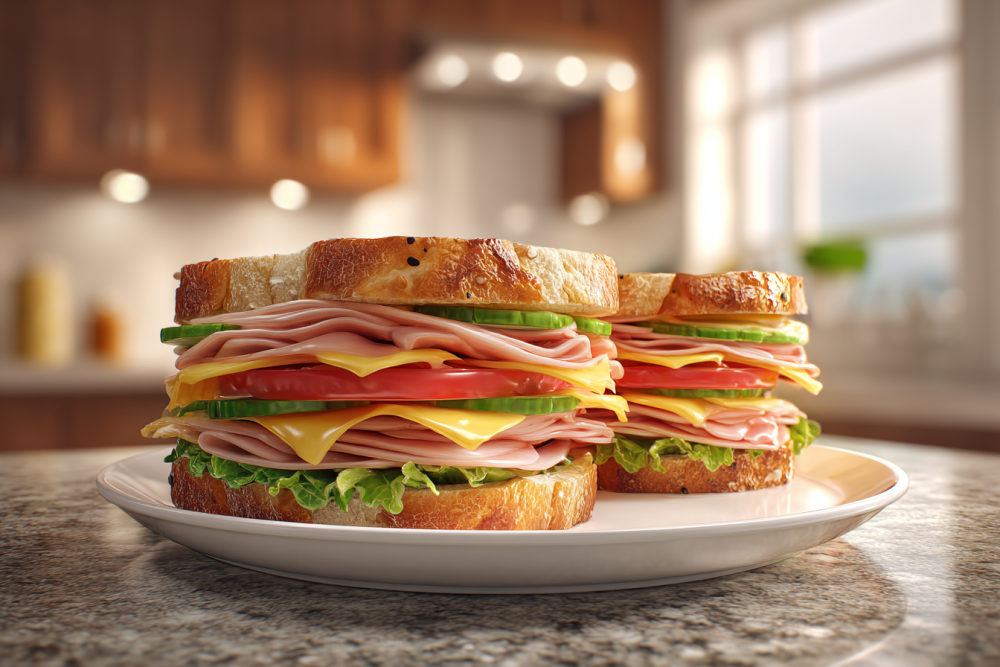
You know that feeling when you’re genuinely hungry, and you want something substantial but not heavy? That’s exactly where these sandwiches shine. They provide a fantastic balance of protein, fat, and carbohydrates, making them genuinely filling without leaving you feeling sluggish. It’s a hearty option that’s easily customizable to whatever you have on hand, which is a huge win on those “what’s for lunch?” days. We’re not reinventing the wheel here; we’re just making sure the wheel is perfectly oiled and spinning smoothly. One of the often-overlooked aspects of a great sandwich is the interplay of textures. You want a little chew from the bread, a bit of resistance from the meat, creaminess from the cheese, and that juicy burst from the tomato. When all these elements align, you get a truly delightful eating experience. It’s about building layers, both literally and figuratively, that complement each other with every single bite.Gathering Your Goodies: What You’ll Need
Making stellar sandwiches starts with gathering the right ingredients. Don’t skimp here; quality really does show through in such a simple preparation. Think of each component as a star player on your culinary team.The Foundation: Bread Choices
The bread is your canvas. It holds everything together and contributes significantly to the overall texture and flavor. Don’t be afraid to experiment with different types! 4 slices of your favorite bread: I’m a big fan of a good sourdough for its tang and chew, or a sturdy whole wheat for extra fiber. A classic white bread works too if you’re feeling nostalgic. Optional spreads: Mayonnaise, mustard (Dijon or whole grain are excellent), or a creamy pesto. The right spread adds moisture, flavor, and acts as a barrier against potential sogginess.The Heart of the Sandwich: Meats & Cheeses
This is where you can truly personalize your creation. Go for what you love! 4-6 slices deli meat: Think roasted turkey, lean ham, thinly sliced roast beef, or even a spicy salami. Whatever protein floats your boat! 2 slices cheese: Provolone, Muenster, cheddar, Swiss – pick one that melts nicely if you’re planning a quick toast, or one with a good flavor profile that stands up to your chosen meat.The Fresh Factor: Tomatoes & More
These add that crucial freshness and acidity that brightens everything up. 1 medium tomato: Ripe, firm, and sliced thinly. Optional additions: Lettuce leaves (romaine or butter lettuce work well), thinly sliced red onion, or a few cucumber slices for extra crunch. Salt and freshly ground black pepper: Essential for seasoning your tomato and bringing out its flavor.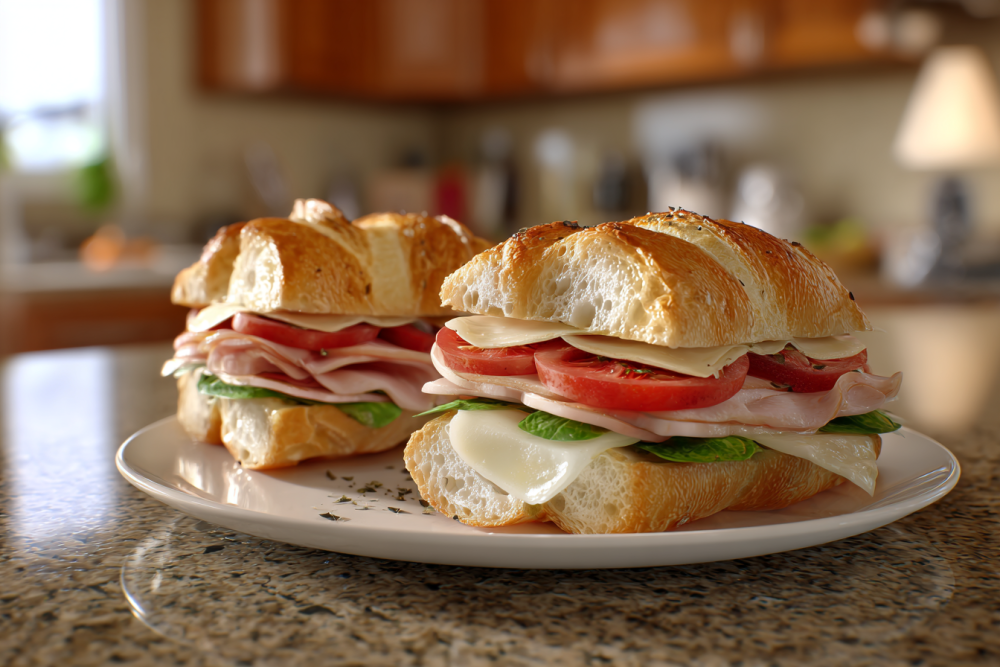
Assembling Your Masterpiece: Step-by-Step
Here’s how to build two fantastic sandwiches that are ready for their close-up (and their delicious demise). We’re aiming for structural integrity and maximum flavor in every layer.Prepping Your Workspace
Before you even think about stacking, lay out all your ingredients. It makes the assembly process smooth and enjoyable, like a well-choreographed dance. Grab two plates for serving, too.Building the Bases
Spread a thin layer of your chosen condiment (mayo, mustard, pesto) on one side of each bread slice. This isn’t just for flavor; it forms a protective layer against moisture, especially from the tomato.Layering the Meats
On two of the bread slices (the bottoms of your sandwiches), arrange your deli meat. Don’t just plop it in a pile; fan it out slightly so you get meat in every bite.Adding the Cheese Factor
Place one slice of cheese directly on top of the meat on each sandwich. The fat from the cheese acts as another barrier and provides a creamy textural contrast.The Tomato Moment
This is crucial. Arrange the thinly sliced tomato on top of the cheese. Season the tomato lightly with a pinch of salt and a grind of fresh black pepper. This really wakes up its flavor. Tip: If you’re packing these sandwiches for later, consider placing the tomato slices between lettuce leaves or paper towels to absorb excess moisture and prevent sogginess. Only add it right before eating for the freshest experience if possible!Finishing the Stack
Place the remaining bread slices (condiment-side down) on top of your tomato layers. Gently press down on each sandwich to consolidate the layers.The Grand Finale: Slicing and Serving
Slice each sandwich in half, either diagonally or straight through, whatever your heart desires. Arrange them artfully on your plate. If you’re feeling fancy, you can secure them with toothpicks.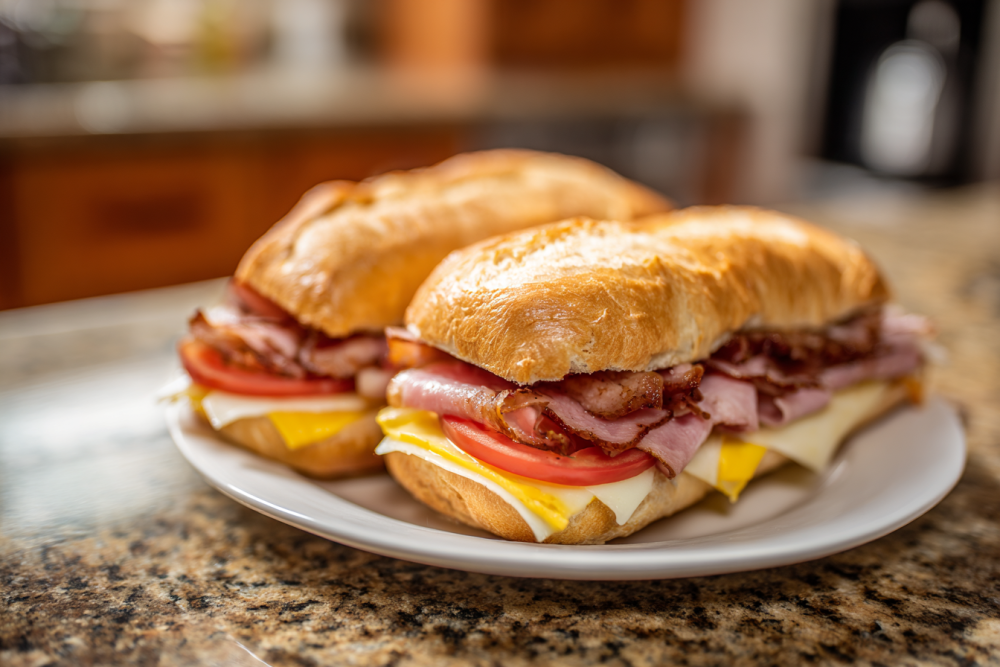
Making Them Your Own: Flavor Twists and Variations
The beauty of a classic sandwich is its adaptability. Once you’ve mastered the basic meat, cheese, and tomato sandwich, the world is your oyster – or rather, your deli counter. Spicy Kick: Add a few pickled jalapeño slices or a dash of hot sauce to your mayo. Herbaceous Notes: Tuck in a few fresh basil leaves (especially good with turkey and provolone) or a sprinkle of dried oregano. Gourmet Upgrade: Swap out standard deli meat for thinly sliced prosciutto or a flavorful smoked chicken breast. Try a sharp aged cheddar or a creamy brie instead of your usual cheese. Toasted Perfection: If you have a few extra minutes, lightly toast your bread before assembling, or griddle the assembled sandwich in a pan with a little butter for a warm, melty experience. This is especially good if you’re using a cheese that melts well. Veggie Boost: Layer in thinly sliced cucumber, bell peppers, or even a few rehydrated sun-dried tomatoes for extra color and nutrients.Common Sandwich Snafus and How to Dodge Them
Even simple sandwiches can go wrong. Here are a few pitfalls to avoid to ensure your culinary creation is a triumph every time.The Soggy Bottom Blight
This is the number one enemy of a good sandwich. The culprit? Too much moisture, usually from wet ingredients like tomato, or simply not eating it quickly enough. Solution: Always use a spread (mayo, mustard) as a barrier layer. If packing for later, put juicy ingredients like tomato or pickles in a separate container and add just before eating. You can also pat tomato slices dry with a paper towel.The Great Slip-and-Slide
Ever take a bite only for the entire filling to squirt out the other side? It’s frustrating! Solution: Don’t overfill! Layer your ingredients deliberately and press down gently after assembly to create a more cohesive unit. Slicing meat and cheese thinly also helps them adhere better.Flavor Flatline
Sometimes a sandwich just tastes… blah. Solution: Don’t forget seasoning! A pinch of salt and pepper on your tomato or even a light sprinkle on the meat can make a huge difference. Use high-quality, flavorful ingredients. A good sourdough or a sharp cheddar will always outshine bland alternatives.The Dry Bread Dilemma
Stale bread or too little moisture can make for a very unpleasant chewing experience. Solution: Use fresh bread, always. If your bread is a little dry, a light toasting can revive it slightly, but fresh is best. And again, don’t skip the spread – it adds crucial moisture.FAQs: Your Sandwich Questions Answered
Got more questions about crafting the perfect handheld meal? Let’s tackle some common ones.What’s the best way to keep my sandwich from getting soggy if I pack it for lunch?
The key here is moisture management. Spread a thin layer of mayo or butter on your bread slices to create a barrier. Pack tomatoes, pickles, or other very wet ingredients separately and add them right before you eat. You can also place a lettuce leaf between the bread and the moist layers.Can I make these sandwiches ahead of time?
You can partially assemble them. I’d recommend preparing all the components – slicing meat, cheese, and tomatoes – and keeping them separate in airtight containers in the fridge. Assemble the sandwiches just before eating for the freshest taste and best texture. If you must assemble ahead, follow the anti-soggy tips above.What kind of bread works best for these sandwiches?
A sturdy bread with a good crumb is ideal. Sourdough, whole wheat, rye, or even a good quality white bread all work wonderfully. Avoid very thin or airy breads that might struggle to hold up to the fillings. A bread with a nice chew provides a satisfying contrast to the softer fillings.How can I add more vegetables to make these sandwiches healthier?
Beyond lettuce and tomato, consider adding thinly sliced cucumber, bell peppers (any color!), shredded carrots, spinach, or even some thinly sliced radish for a peppery kick. You can also add avocado slices for healthy fats and creamy texture.What’s a good side dish to serve with these sandwiches?
For a classic pairing, a bag of potato chips or a side of coleslaw is always a winner. If you’re looking for something fresher, a simple green salad, a cup of tomato soup, or some fresh fruit would be perfect complements.Storage and Reheating Notes
These sandwiches are truly best enjoyed fresh. However, if you have leftovers or want to pack one for the next day, here’s the best approach: Storage: Wrap assembled sandwiches tightly in plastic wrap or parchment paper, then place them in an airtight container in the refrigerator for up to 1 day. Remember, the longer they sit, the higher the risk of sogginess, especially with fresh tomatoes. Reheating: These sandwiches are typically enjoyed cold. If you prefer a warm sandwich, you can either toast the bread slices separately first and then assemble, or you can griddle the assembled sandwich in a lightly buttered pan over medium heat for a few minutes per side until the bread is golden and the cheese is melty. This transforms it into a panini-like experience! Don’t underestimate the power of a perfectly constructed sandwich. It’s a testament to how simple ingredients, when given a little thought and care, can create something truly satisfying and memorable. So go ahead, layer up those flavors, and enjoy every delicious bite of your next meat, cheese, and tomato sandwich!
Classic Meat, Cheese, and Tomato Sandwich
Craft two satisfying sandwiches with savory meat, creamy cheese, and fresh tomatoes, perfect for a quick lunch or dinner.
📝 Ingredients
👩🍳 Instructions
-
1Lay out your bread slices on a clean work surface.
-
2Spread a thin, even layer of mayonnaise or mustard on one side of each bread slice. This acts as both a flavor enhancer and a moisture barrier.
-
3On two of the bread slices (these will be your sandwich bottoms), arrange the deli meat, fanning it out slightly to cover the surface.
-
4Place one slice of cheese directly on top of the deli meat on each sandwich base.
-
5Carefully arrange the thinly sliced tomato on top of the cheese layer. Season the tomato slices lightly with a pinch of salt and black pepper.
-
6If using, place a few lettuce leaves on top of the tomato, or directly on the spread-side of the top bread slice.
-
7Place the remaining two bread slices (spread-side down) on top of your layered ingredients, completing each sandwich.
-
8Gently press down on each sandwich to compress the layers slightly. Slice each sandwich in half, either diagonally or straight through.
-
9Serve immediately and enjoy your perfectly crafted classic sandwiches!
💡 Notes
For best results, use fresh, sturdy bread and high-quality deli ingredients. If packing for later, apply spreads to create a moisture barrier. Consider packing very wet ingredients like tomatoes separately and adding them just before eating to prevent sogginess. For a warm sandwich, lightly toast the bread before assembling or griddle the finished sandwich.