


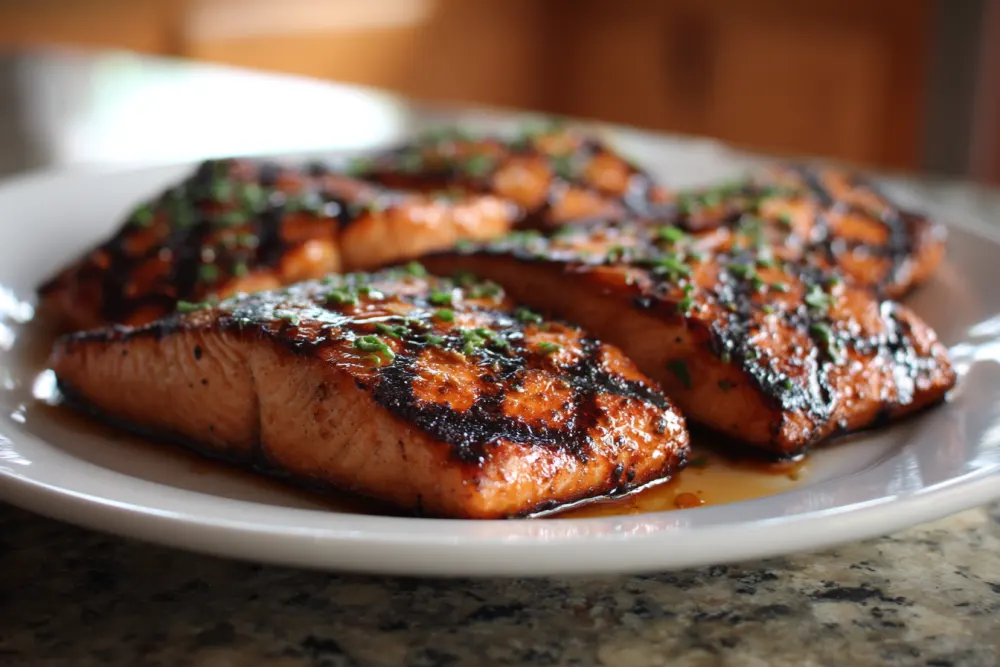
Ever had that moment when you’re grilling, and the aroma of smoky, slightly charred fish hits you, making your stomach rumble in anticipation? That’s the magic we’re chasing today! There’s something inherently satisfying about cooking outdoors, and when it comes to healthy, delicious meals, it’s hard to beat the versatility and flavor of perfectly grilled salmon. Forget dry, overcooked fish; we’re talking about flaky, moist, and utterly irresistible fillets.
- Cracking the Code of a Great Grilled Salmon Recipe
- Gathering Your Flavorful Arsenal
- Crafting the Perfect Marinade
- Mastering the Grill: Step-by-Step for Succulent Salmon
- Why This Method Works So Well
- Clever Swaps and Flavor Twists
- Common Grilling Mishaps and How to Dodge Them
- Serving Suggestions & Perfect Pairings
- Storing Leftovers and Reheating Tips
- FAQs: Your Grilled Salmon Questions Answered

Cracking the Code of a Great Grilled Salmon Recipe
Let’s be honest, grilling fish can feel a little intimidating. Will it stick? Will it fall apart? Will it be dry? These are all valid concerns! But I’m here to tell you that with a few simple techniques and a bit of confidence, you can achieve grilled salmon perfection. It’s not about complex ingredients, but rather understanding how heat interacts with this delicate protein. What makes this approach different is our focus on high heat, quick cooking, and smart preparation to ensure that gorgeous sear and a tender, flaky interior. We’re also diving into a marinade that balances acidity, sweetness, and savory notes, enhancing the salmon’s natural richness without overpowering it. This isn’t just another grilled salmon recipe; it’s a testament to simple ingredients producing extraordinary results.The Salmon Selection: What to Look For
Before we even think about marinades or high heat, it all starts with the fish. Choosing the right salmon makes a world of difference. Look for fillets that are bright orange-pink, firm to the touch, and have a fresh, mild scent – not fishy. Wild-caught varieties like sockeye or coho often have a deeper color and firmer texture, while farmed Atlantic salmon can be fattier and more buttery. Both work wonderfully on the grill! When buying fillets, aim for pieces that are roughly an inch thick. This ensures even cooking and prevents thinner edges from drying out while the thicker parts cook through. If you can, ask your fishmonger to remove any pin bones. It’s a small step that makes for a much more pleasant eating experience.Gathering Your Flavorful Arsenal
The beauty of a fantastic grilled salmon recipe lies in how few ingredients you truly need to make it shine. Our marinade here is designed to complement, not mask, the natural deliciousness of the fish. It’s a blend of bright, savory, and a touch of sweet, ensuring every bite is memorable.
For the Salmon & Marinade
- 4 (6-ounce) salmon fillets, skin on or off (your preference!)
- ¼ cup olive oil, extra virgin
- 2 tablespoons fresh lemon juice (from about 1 medium lemon)
- 1 tablespoon soy sauce (or tamari for gluten-free)
- 1 tablespoon Dijon mustard
- 1 tablespoon honey or maple syrup
- 2 cloves garlic, minced very fine
- 1 teaspoon smoked paprika (this is our secret weapon for that smoky char!)
- ½ teaspoon black pepper, freshly ground
- ¼ teaspoon sea salt
- Fresh parsley or dill, chopped, for garnish (optional)
Essential Grilling Prep
- Vegetable oil or high-smoke point oil for greasing the grill grates
- A good quality fish spatula (trust me, this is a game-changer!)
Crafting the Perfect Marinade
This marinade is your ticket to tender, flavorful grilled salmon. It’s quick to whip up and does its job beautifully in a short amount of time. The acidity of the lemon juice helps tenderize, while the honey caramelizes slightly on the grill, creating those irresistible char marks.In a medium bowl, whisk together the olive oil, lemon juice, soy sauce, Dijon mustard, honey (or maple syrup), minced garlic, smoked paprika, black pepper, and sea salt. Make sure everything is well combined and the honey has dissolved.
Pat your salmon fillets very dry with paper towels. This is crucial for getting a good sear! Place the salmon in a shallow dish or a zip-top bag. Pour the marinade over the salmon, ensuring all sides are coated. If using a dish, turn the fillets a few times to evenly distribute the marinade.
Cover the dish or seal the bag and refrigerate for at least 20 minutes, but no more than 30 minutes. Why so short? Because lemon juice can “cook” the fish (think ceviche!) if left too long, and we want it to cook on the grill, not in the fridge.
Mastering the Grill: Step-by-Step for Succulent Salmon
Grilling fish might seem daunting, but with these clear steps, you’ll feel like a pro. The key is high heat, a clean, well-oiled grill, and not turning the fish too soon. Trust the process!
Prepping Your Grill for Success
Get your grill ready. Preheat it to medium-high heat (around 400-450°F or 200-230°C). If you’re using charcoal, aim for a hot side and a slightly cooler side. For gas, ensure all burners are ignited and the grates are getting nice and hot.
Once hot, use a sturdy grill brush to clean off any residue from previous cooks. A clean grill prevents sticking. Then, generously oil your grill grates. Dip a folded paper towel in a high-smoke point oil (like vegetable oil or grapeseed oil) and, using tongs, carefully rub it over the hot grates. Repeat this 2-3 times to create a non-stick surface. This is perhaps the most important step for grilling fish successfully!
Grilling the Salmon to Perfection
Remove the salmon from the marinade, letting any excess drip off. Do not wipe it clean; you want that flavorful coating. Place the salmon fillets, skin-side down (if present), directly on the hot, oiled grill grates. Leave some space between each fillet.
Tip: Resist the urge to move the salmon immediately! Let it cook undisturbed for 4-6 minutes. This allows a beautiful crust to form and makes it much easier to flip. You’ll see the color of the fish change from translucent to opaque about halfway up the fillet.
Carefully slide your fish spatula under the salmon and gently flip it. If it’s sticking, it’s not ready! Give it another minute or two. Once flipped, cook for another 3-5 minutes, depending on the thickness of your fillets and your desired doneness.
The fish is done when it flakes easily with a fork in its thickest part and reaches an internal temperature of 145°F (63°C). If you have skin-on salmon, cooking mostly skin-side down helps protect the delicate flesh and makes for crispy skin, if that’s your jam.
Resting and Serving Your Masterpiece
Carefully transfer the grilled salmon to a plate. Let it rest for 5 minutes before serving. This allows the juices to redistribute, ensuring a more tender and moist fillet.
Garnish with fresh chopped parsley or dill, if desired, and a final squeeze of fresh lemon juice. Serve hot with your favorite sides. It pairs beautifully with a fresh summer salad or some roasted asparagus.
Why This Method Works So Well
This grilled salmon recipe isn’t just about ingredients; it’s about technique. The high heat creates that enviable char, locking in moisture and delivering a fantastic texture. The short marinating time infusions flavor without “cooking” the fish, ensuring it remains tender. And that double-oiled grill? That’s your secret weapon against sticking, making flipping a breeze and keeping your beautiful fillets intact. It’s a simple, reliable method that delivers consistent results, turning good salmon into great salmon.Clever Swaps and Flavor Twists
While the core recipe is fantastic as is, there’s always room to play! Salmon is incredibly versatile, and its robust flavor can stand up to a variety of seasonings.Ingredient Spotlights & Substitutions
- For the Smoked Paprika: If you don’t have smoked paprika, regular sweet paprika works fine, but you’ll miss that subtle smoky depth. A tiny pinch of chipotle powder could also add a similar smoky kick with a bit of heat.
- Honey vs. Maple Syrup: Both provide that lovely caramelization and sweetness. Use whichever you prefer or have on hand. Agave nectar also works in a pinch.
- Lemon Juice: Fresh is always best! If you’re out, a tablespoon of apple cider vinegar can provide the necessary acidity, though the flavor profile will be slightly different.
- Soy Sauce: For a gluten-free option, tamari is an excellent direct substitute. Coconut aminos can also be used for a soy-free alternative, though it has a slightly sweeter, milder flavor.
- Herbs: While parsley and dill are classic, don’t shy away from fresh thyme, rosemary (sparingly, as it’s potent), or even cilantro for a different vibe.
Flavor Variations to Try
Once you’ve mastered the basic technique, feel free to experiment! Here are a few ideas:
- Spicy Salmon: Add a pinch of cayenne pepper or a dash of your favorite hot sauce to the marinade.
- Asian-Inspired: Swap Dijon for a teaspoon of grated fresh ginger, add a splash of sesame oil, and a sprinkle of sesame seeds before grilling.
- Mediterranean Flair: Introduce dried oregano and basil to the marinade, and serve with a dollop of homemade tzatziki.
- Herb Garden Fresh: Double down on the fresh herbs! Fine chop some rosemary, thyme, and oregano directly into the marinade for a bright, aromatic fillet.
Common Grilling Mishaps and How to Dodge Them
Even the pros have off days, but knowing what can go wrong helps prevent it. Grilling salmon is straightforward, but a few pitfalls can turn a perfect fillet into a sticky mess.The Dreaded Stick
This is probably the number one fear when grilling fish. The solution? Preheat your grill well beyond what you think it needs, clean it thoroughly with a stiff brush, and then oil it generously with a high-smoke point oil. Do this right before placing the fish. Make sure the grill grates are fully hot, and once the fish is on, leave it alone! Don’t try to move or flip it until that beautiful crust has formed – usually 4-6 minutes for medium-high heat.
Overcooked and Dry
Salmon cooks quickly, and it’s easy to push it too far. Remember that internal temperature of 145°F (63°C). Use an instant-read thermometer if you’re unsure. The fish will also continue to cook slightly after it’s removed from the heat (carryover cooking), so taking it off just a shade under “done” is a good strategy for moist results. Look for the flesh to flake easily but still be slightly pink in the very center.
Note: Thicker fillets will take longer, thinner ones much less. Adjust your cooking times accordingly. When in doubt, err on the side of undercooking, you can always put it back on for another minute.
Uneven Cooking
If your fillets are of varying thicknesses, the thinner parts might dry out before the thicker parts are cooked. Try to buy fillets of uniform thickness. If you have a particularly thick piece, consider butterflying it slightly or creating a small “tent” of foil over the thinner sections halfway through cooking to shield them from direct heat.
Serving Suggestions & Perfect Pairings
Grilled salmon is incredibly versatile, making it an ideal centerpiece for a variety of meals. Its rich flavor pairs wonderfully with both light and hearty sides.Healthy & Bright Sides
- Fresh Green Salad: A simple mixed greens salad with a vinaigrette dressing is always a winner.
- Roasted Vegetables: Asparagus, broccoli, or bell peppers roasted alongside the salmon are delicious and easy.
- Quinoa or Couscous Salad: A light grain salad with cucumber, tomatoes, and fresh herbs makes for a satisfying and healthy meal.
- Grilled Corn on the Cob: If your grill is already hot, throw on some corn for a classic summer pairing.
Heartier Complement
- Lemon Herb Roasted Potatoes: Crispy on the outside, fluffy on the inside – a fantastic comfort side.
- Creamy Risotto: While a bit more involved, a simple lemon risotto can be an elegant companion.
- Garlic Mashed Cauliflower: A low-carb alternative to mashed potatoes that’s surprisingly creamy and flavorful.
Wine Pairing Pointers
For grilled salmon, you’ll want wines that complement its richness without overpowering it. A crisp, unoaked Chardonnay, a bright Sauvignon Blanc, or even a light-bodied Pinot Noir can be excellent choices. Rosé is also a fantastic, refreshing option, especially on a warm evening.
Storing Leftovers and Reheating Tips
While grilled salmon is best enjoyed fresh, sometimes you end up with a little extra. Don’t worry, it’s still delicious the next day!Storage
Allow any leftover salmon to cool completely to room temperature (within 2 hours of cooking). Transfer it to an airtight container and refrigerate for up to 2-3 days. It’s not recommended to freeze cooked salmon, as the texture can become dry and mealy upon reheating.
Reheating
To reheat, the key is low and slow to prevent drying it out. You can gently warm it in a microwave on a low power setting for short bursts, or even better, in an oven or toaster oven at 275°F (135°C) for 10-15 minutes, or until just warmed through. A little splash of water or broth in the baking dish can help keep it moist. Remember, you’re just warming it, not cooking it again!
Creative Uses for Cold Salmon
Cold, leftover grilled salmon is fantastic in salads! Flake it over a bed of greens, mix it into a salmon salad sandwich (like tuna salad, but better!), or add it to pasta for a quick and healthy lunch. It’s also great for making salmon cakes or even a quick salmon spread with cream cheese and herbs.
FAQs: Your Grilled Salmon Questions Answered
Grilling fish brings up a few common questions. Let’s tackle them!Can I grill salmon without the skin?
Absolutely! While skin-on often provides a nice protective layer and can get wonderfully crispy, skinless salmon fillets grill up beautifully too. Just be extra diligent with oiling your grates and don’t try to flip them too soon to prevent sticking and breaking apart.
How do I know when my salmon is perfectly cooked?
The best way is to use an instant-read thermometer; it should register 145°F (63°C) in the thickest part. Visually, the salmon will change from translucent to opaque and will flake easily with a fork. I usually look for it to be slightly pink in the very center, as it will continue to cook a bit off the heat.
My salmon always sticks to the grill. What am I doing wrong?
This is a common issue! The most likely culprits are not preheating the grill enough, not cleaning the grates thoroughly, or not oiling them sufficiently. Make sure your grill is hot (medium-high), sparkling clean, and then rub it aggressively with oil just before placing the fish. Also, don’t flip the fish too soon! Let it develop a good crust for 4-6 minutes before attempting to turn it.
What if I don’t have a grill? Can I still make this recipe?
Yes! This marinade and cooking method can be adapted for a grill pan on your stovetop or even baked in the oven. For a grill pan, follow the same high-heat, oiling, and timing principles. For baking, preheat your oven to 400°F (200°C) and bake for 12-15 minutes, or until cooked through and flaky, depending on thickness.
Can I prepare the salmon ahead of time?
You can mix the marinade a day or two in advance and keep it in the fridge. However, I recommend marinating the salmon itself for no more than 30 minutes right before grilling. This prevents the acids in the lemon juice from “cooking” the delicate fish prematurely and altering its texture.

Smoky Charred Grilled Salmon with Lemon-Herb Marinade
Unlock the secrets to perfectly grilled salmon with a smoky, charred crust and tender, flaky interior. Easy, healthy, and incredibly flavorful!
📝 Ingredients
👩🍳 Instructions
- 1In a medium bowl, whisk together olive oil, lemon juice, soy sauce, Dijon mustard, honey (or maple syrup), minced garlic, smoked paprika, black pepper, and sea salt until well combined.
- 2Pat salmon fillets very dry with paper towels. Place salmon in a shallow dish or zip-top bag and pour marinade over, ensuring all sides are coated.
- 3Refrigerate for 20-30 minutes. Do not marinate longer than 30 minutes due to the lemon juice.
- 4Preheat your grill to medium-high heat (400-450°F or 200-230°C). Clean grates thoroughly with a grill brush.
- 5Generously oil the hot grill grates using a paper towel dipped in high-smoke point oil and tongs. Repeat 2-3 times.
- 6Remove salmon from marinade, letting excess drip off. Place fillets, skin-side down (if applicable), on the hot, oiled grill grates. Leave space between fillets.
- 7Grill for 4-6 minutes undisturbed until a crust forms and fish begins to turn opaque halfway up the fillet.
- 8Carefully flip the salmon with a fish spatula. Grill for another 3-5 minutes, or until the internal temperature reaches 145°F (63°C) and the fish flakes easily with a fork.
- 9Transfer grilled salmon to a plate and let rest for 5 minutes before serving. Garnish with fresh parsley or dill, and an extra squeeze of lemon, if desired.
💡 Notes
Always ensure your grill grates are extremely clean and well-oiled to prevent sticking. Aim for fillets of uniform thickness for even cooking. For best results, use an instant-read thermometer to check doneness.