
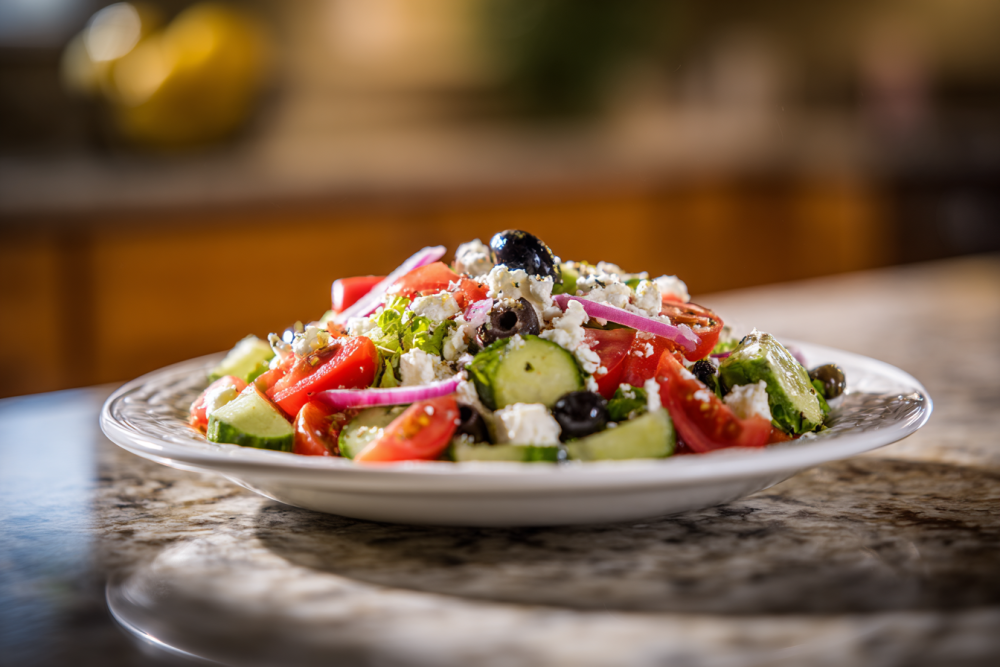
I used to think “diet” meant deprivation, bland steamed vegetables, and a constant battle with cravings. Then I discovered the Mediterranean way of eating, and it completely flipped my perception. It’s not just a diet; it’s a lifestyle rich in flavor, vibrant colors, and satisfying meals that genuinely nourish your body. This 90-day Mediterranean Diet meal plan for beginners is designed to show you just how easy and delicious eating clean can be, setting you up for sustained health without feeling like you’re missing out.
- Why Embrace the Mediterranean Way? So Many Good Reasons!
- Crafting Your Mediterranean Kitchen: Essential Ingredients
- Your 90-Day Mediterranean Diet Meal Plan for Beginners: A Glimpse
- Week 1-4: Building the Foundation
- Week 5-8: Expanding Your Horizons
- Week 9-12: Mastering the Mediterranean
- Making Meal Prep Work for You
- Common Questions About This Mediterranean Journey
- Does this mean I can never have dessert or red meat?
- What about wine? Is that allowed on the Mediterranean Diet?
- Is this 90-day Mediterranean Diet meal plan for beginners suitable for weight loss?
- How do I make sure I’m getting enough protein on a plant-heavy diet?
- What if I have dietary restrictions or allergies?
- Simple Baked Salmon with Mediterranean Roasted Veggies
Why Embrace the Mediterranean Way? So Many Good Reasons!
Before we dive into the deliciousness, let’s chat for a moment about *why* the Mediterranean Diet has earned such a stellar reputation. It’s not just another trend; it’s a centuries-old eating pattern based on the traditional foods of people living in countries bordering the Mediterranean Sea. Think Greece, Italy, Spain – regions renowned for their vibrant cultures and long, healthy lives. This eating style emphasizes plant-based foods, healthy fats, lean proteins, and whole grains. It’s naturally low in unhealthy processed foods, added sugars, and red meat, making it an excellent choice for heart health, weight management, and overall well-being. You’ll find yourself reaching for fresh fruits, colorful vegetables, legumes, nuts, seeds, and, of course, plenty of extra virgin olive oil. It’s a culinary philosophy that celebrates fresh, seasonal ingredients and the joy of sharing meals.Beyond the Plate: A Holistic Approach to Wellness
It’s not just about *what* you eat, but *how* you eat. The Mediterranean lifestyle encourages regular physical activity, adequate rest, and strong social connections – all vital components of a healthy life. When you adopt this diet, you’re not just changing your food choices; you’re embracing a more balanced and mindful approach to living. This 90-day Mediterranean Diet meal plan for beginners aims to integrate these principles, offering practical tips to weave them into your daily routine.Crafting Your Mediterranean Kitchen: Essential Ingredients
Getting started on any new eating plan often feels daunting, especially when it comes to stocking the pantry. But fear not! The Mediterranean kitchen is built on simple, accessible ingredients. Think of this as your foundational shopping list for the next 90 days. You don’t need to buy everything at once, but having these staples on hand will make meal prep a breeze.Produce Aisle Must-Haves
Plenty of Fresh Vegetables: Think spinach, kale, broccoli, bell peppers, tomatoes, zucchini, eggplant, onions, garlic, cucumbers, and leafy greens for salads. Aim for a rainbow of colors! Seasonal Fruits: Apples, oranges, berries (strawberries, blueberries, raspberries), grapes, peaches, melons, and figs. Whatever is fresh and in season is always best. Herbs: Fresh parsley, basil, oregano, rosemary, thyme – these elevate flavors without extra salt.Pantry Staples & Grains
Extra Virgin Olive Oil: The cornerstone! Use it for cooking, dressing salads, and drizzling over almost everything. Whole Grains: Quinoa, brown rice, whole wheat pasta, whole-grain bread, oats (for breakfast!). Legumes: Canned or dried chickpeas, lentils, cannellini beans, kidney beans. They’re packed with protein and fiber. Nuts & Seeds: Almonds, walnuts, sunflower seeds, pumpkin seeds, chia seeds. Great for snacks or adding crunch to meals. Canned Goods: Diced tomatoes, tomato paste, olives, artichoke hearts. Vinegars: Red wine vinegar, balsamic vinegar. Spices: Paprika, cumin, coriander, turmeric, black pepper, sea salt.Protein Powerhouses
Fish & Seafood: Salmon, cod, shrimp, tuna, sardines. Aim for at least two servings a week. Poultry: Chicken breast, turkey. Eggs: A versatile and affordable protein source. Dairy (in moderation): Greek yogurt, feta cheese, parmesan cheese.
Your 90-Day Mediterranean Diet Meal Plan for Beginners: A Glimpse
This isn’t a rigid, day-by-day menu you *must* follow to the letter. Instead, it’s a framework, a guide, and a source of inspiration. The beauty of the Mediterranean Diet is its flexibility. We’ll focus on categories of meals and provide examples, allowing you to mix and match based on your preferences, what’s in season, and what fits your schedule. Each week, try to incorporate a balance of these elements.Week 1-4: Building the Foundation
The first month is all about getting comfortable with new ingredients and cooking methods. We’ll focus on simple, familiar meals with a Mediterranean twist.Breakfast Bliss
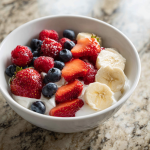
Greek Yogurt Bowls: Start your day with plain Greek yogurt, topped with fresh berries, a sprinkle of nuts, and a drizzle of honey. Oatmeal Power: Cooked oats with sliced apples and cinnamon, or savory oats with a poached egg and a handful of spinach. Whole-Grain Toast: Topped with avocado and a sprinkle of red pepper flakes, or a thin layer of hummus and sliced cucumber.Lunchtime Legends
Big Green Salads: Load up on mixed greens, chopped veggies, chickpeas, and a light vinaigrette made with olive oil and vinegar. Add grilled chicken or canned tuna for extra protein. Leftover Love: Repurpose dinner into a delicious lunch. This is a meal prep game-changer! Hearty Lentil Soup: Easy to make a big batch and enjoy throughout the week.Dinner Delights
Baked Salmon with Roasted Vegetables: Simple, elegant, and packed with omega-3s. Toss broccoli, bell peppers, and zucchini with olive oil, salt, and pepper. Chicken and Veggie Skewers: Marinate chicken pieces and colorful vegetables, then grill or bake. Whole Wheat Pasta with Marinara and Lentils: A satisfying, fiber-rich meal that comes together quickly.Week 5-8: Expanding Your Horizons
Now that you’re comfortable, we’ll introduce a few more exciting recipes and explore different flavor combinations.Breakfast Creativity
Shakshuka: A vibrant Middle Eastern and North African dish of eggs poached in a flavorful tomato sauce. Mediterranean Scramble: Eggs scrambled with spinach, feta, and sun-dried tomatoes.Lunchtime Adventures
Quinoa Salad with Roasted Vegetables: A fantastic make-ahead option. Tuna and White Bean Salad: A protein-packed, no-cook lunch that’s perfect for warmer days. Hummus and Veggie Wraps: Whole wheat tortillas filled with hummus, shredded carrots, cucumber, and bell peppers.Dinner Discoveries
Chicken Souvlaki with Tzatziki and Whole-Wheat Pita: A taste of Greece in your own kitchen. Shrimp Scampi with Zucchini Noodles: A lighter take on a classic, full of garlic and lemon. Vegetable and Chickpea Tagine: A fragrant, comforting stew perfect for a cozy evening.Week 9-12: Mastering the Mediterranean
By this point, you’ll be a pro! This month focuses on refining your skills, trying new recipes, and truly making this lifestyle your own.Breakfast Reinvention
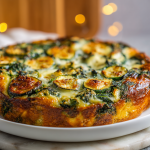
Breakfast Frittatas: Use up leftover veggies and add some feta for a quick and customizable meal. Smoothie Bowls: Blend Greek yogurt, fruit, and a handful of spinach, then top with granola and seeds.Lunchtime Staples
Leftover Roasted Chicken over Greens: Add a squeeze of lemon and a drizzle of olive oil. Mediterranean Grain Bowls: Combine a whole grain base (farro, couscous), roasted veggies, a protein (salmon, chicken), and a flavorful dressing.Dinner Celebrations
Baked Cod with Lemon and Herbs: Simple, flaky, and delicious. Feta and Spinach Stuffed Bell Peppers: A vegetarian delight that’s both beautiful and nourishing. Lentil and Vegetable Stuffed Zucchini Boats: A hearty, plant-forward meal that’s fun to make.
Making Meal Prep Work for You
The secret to sticking with any meal plan, especially one that spans 90 days, is smart meal preparation. Spending a little time on the weekend can save you hours during the busy workweek and drastically reduce the temptation to reach for less healthy options.Cook Grains in Advance:
Prepare a big batch of quinoa, brown rice, or lentils to use throughout the week in salads, bowls, or as a side.Chop Your Veggies:
Wash and chop sturdy vegetables like bell peppers, carrots, celery, and broccoli. Store them in airtight containers, ready for snacking, stir-frying, or roasting.Roast a Big Tray:
Roast a large pan of mixed Mediterranean vegetables (zucchini, eggplant, tomatoes, onions) seasoned with olive oil and herbs. These are fantastic additions to salads, wraps, or as a side dish.Pre-Portion Snacks:
Divide nuts, seeds, or chopped fruit into small containers or bags for easy grab-and-go snacks.Whip Up a Dressing:
Make a large jar of your favorite vinaigrette. A simple mix of extra virgin olive oil, red wine vinegar, Dijon mustard, salt, and pepper works wonders. Tip: Don’t try to prep every single meal. Start with one or two components that you know will make your week easier, like cooking a protein or chopping vegetables. Gradually add more as you get into the rhythm.Common Questions About This Mediterranean Journey
Starting any new eating pattern can bring up a few questions. Let’s tackle some of the most common ones to ensure your journey is smooth and successful.Does this mean I can never have dessert or red meat?
Not at all! The Mediterranean Diet is about moderation, not strict elimination. Red meat is typically consumed less often, perhaps a few times a month, and in smaller portions. Sweets are usually enjoyed on special occasions, often fruit-based. The emphasis is on choosing healthy options most of the time, so there’s always room for an occasional treat or a small portion of your favorite red meat.What about wine? Is that allowed on the Mediterranean Diet?
Good question! Moderate wine consumption, particularly red wine, is often associated with the Mediterranean Diet, especially consumed with meals. “Moderate” generally means up to one drink per day for women and up to two drinks per day for men. However, if you don’t drink alcohol, there’s no need to start. The health benefits attributed to wine can often be found in other Mediterranean foods, like grapes and berries.Is this 90-day Mediterranean Diet meal plan for beginners suitable for weight loss?
Yes, many people experience healthy and sustainable weight loss on the Mediterranean Diet. Its focus on whole, unprocessed foods, high fiber content from fruits, vegetables, and whole grains, and healthy fats helps promote satiety and can naturally lead to consuming fewer calories without feeling deprived. It’s about nourishing your body and making informed choices, which often results in achieving a healthy weight.How do I make sure I’m getting enough protein on a plant-heavy diet?
It’s a common concern, but easily addressed! The Mediterranean Diet includes plenty of protein sources. Legumes (chickpeas, lentils, beans), nuts, seeds, whole grains (like quinoa), eggs, Greek yogurt, and moderate amounts of fish and poultry all contribute to your protein intake. Aim to include a protein source at every meal to keep you feeling full and satisfied.What if I have dietary restrictions or allergies?
The Mediterranean Diet is incredibly adaptable. If you have specific restrictions, you can easily adjust recipes. For instance, if you’re gluten-intolerant, opt for gluten-free whole grains like quinoa and brown rice instead of wheat pasta. If you have a nut allergy, focus on seeds or omit nuts altogether. Always prioritize your personal health needs and consult with a healthcare professional or registered dietitian if you have significant concerns.Simple Baked Salmon with Mediterranean Roasted Veggies
This recipe is a perfect example of the delicious simplicity that defines the Mediterranean Diet. It’s packed with flavor, easy to prepare, and incredibly nutritious – a fantastic cornerstone for your 90-day Mediterranean Diet meal plan for beginners.What Makes This Dish So Good?
It’s all about fresh, quality ingredients and minimal fuss. The salmon brings omega-3 fatty acids, crucial for heart and brain health. The rainbow of roasted vegetables provides essential vitamins, minerals, and fiber. Plus, a generous drizzle of extra virgin olive oil not only adds flavor but also healthy monounsaturated fats. This one-pan wonder means less cleanup, too!Putting It All Together: The Process
This dish comes together with surprising ease, making it a perfect weeknight meal as you embark on your 90-day Mediterranean Diet meal plan for beginners.Prepping Your Produce
Start by washing and chopping all your vegetables. Aim for roughly similar sizes so they cook evenly. For bell peppers, zucchini, and red onion, think 1-inch pieces. Cherry tomatoes can stay whole. Garlic cloves can be roughly chopped or left whole if you prefer them very mellow after roasting.Seasoning the Stars
In a large bowl, toss the chopped vegetables with 2 tablespoons of extra virgin olive oil. Season generously with dried oregano, a pinch of salt, and freshly ground black pepper. Spread them out in a single layer on a large baking sheet. This ensures they roast rather than steam.Getting the Salmon Ready
Pat your salmon fillets dry with a paper towel. This helps create a nice crust. Place them on the same baking sheet as the vegetables, ensuring they have some space around them. Drizzle the salmon with the remaining tablespoon of olive oil, then sprinkle with a little salt, pepper, and a squeeze of fresh lemon juice. Note: If you don’t have fresh lemon, a splash of white wine vinegar or even a little extra oregano can add a bright note to the salmon.Oven Time!
Pop the baking sheet into your preheated oven. Roasting at a slightly higher temperature helps the vegetables caramelize and the salmon cook through beautifully. Bake for 15-20 minutes, or until the salmon flakes easily with a fork and the vegetables are tender-crisp and slightly browned. Cooking times can vary based on the thickness of your salmon fillets and your oven.The Finishing Touch
Once out of the oven, garnish with fresh parsley or basil for a burst of color and flavor. Serve immediately. This dish pairs wonderfully with a side of quinoa or brown rice if you want a more substantial meal, or just enjoy it as is.Making it Your Own: Variations & Swaps
Vary the Veggies: Feel free to swap in other Mediterranean-friendly vegetables like eggplant, asparagus, or green beans. Herb Power: Experiment with fresh rosemary or thyme instead of oregano. Citrus Burst: Add orange or lime slices to the pan for an extra layer of bright flavor. Spice it Up: A pinch of red pepper flakes with the veggies can add a subtle kick.Storing Leftovers for Later
Any leftover salmon and vegetables can be stored in an airtight container in the refrigerator for up to 2-3 days. Reheat gently in the microwave or a low oven to avoid drying out the fish. It’s also delicious cold or at room temperature, making it a fantastic lunch option!
Simple Baked Salmon with Mediterranean Roasted Veggies
A heart-healthy, delicious, and easy one-pan meal perfect for starting your 90-day Mediterranean Diet journey.
📝 Ingredients
👩🍳 Instructions
-
1Preheat your oven to 400°F (200°C). Line a large baking sheet with parchment paper for easy cleanup.
-
2In a large bowl, combine the chopped bell peppers, zucchini, cherry tomatoes, red onion, and garlic. Drizzle with 2 tablespoons of extra virgin olive oil. Sprinkle with dried oregano, salt, and black pepper. Toss gently to coat all the vegetables evenly.
-
3Spread the seasoned vegetables in a single layer on one half of the prepared baking sheet.
-
4Pat the salmon fillets dry with paper towels. Place them on the other half of the baking sheet, leaving some space between them and the vegetables. Drizzle the salmon with the remaining 1 tablespoon of olive oil. Season with a pinch of salt and pepper, and squeeze some fresh lemon juice over each fillet. You can also place thin lemon slices on top of the salmon.
-
5Bake for 15-20 minutes, or until the salmon is cooked through and flakes easily with a fork, and the vegetables are tender-crisp and slightly caramelized. Cooking times may vary depending on the thickness of your salmon fillets.
-
6Remove from the oven. Garnish with fresh chopped parsley or basil before serving. Serve immediately, perhaps with a side of quinoa or brown rice if desired.
💡 Notes
Feel free to customize the vegetables based on what's in season or what you have on hand. Asparagus, eggplant, or broccoli florets would also work beautifully. For an extra kick, add a pinch of red pepper flakes to the vegetables before roasting. Leftovers store well in an airtight container in the fridge for up to 3 days.