

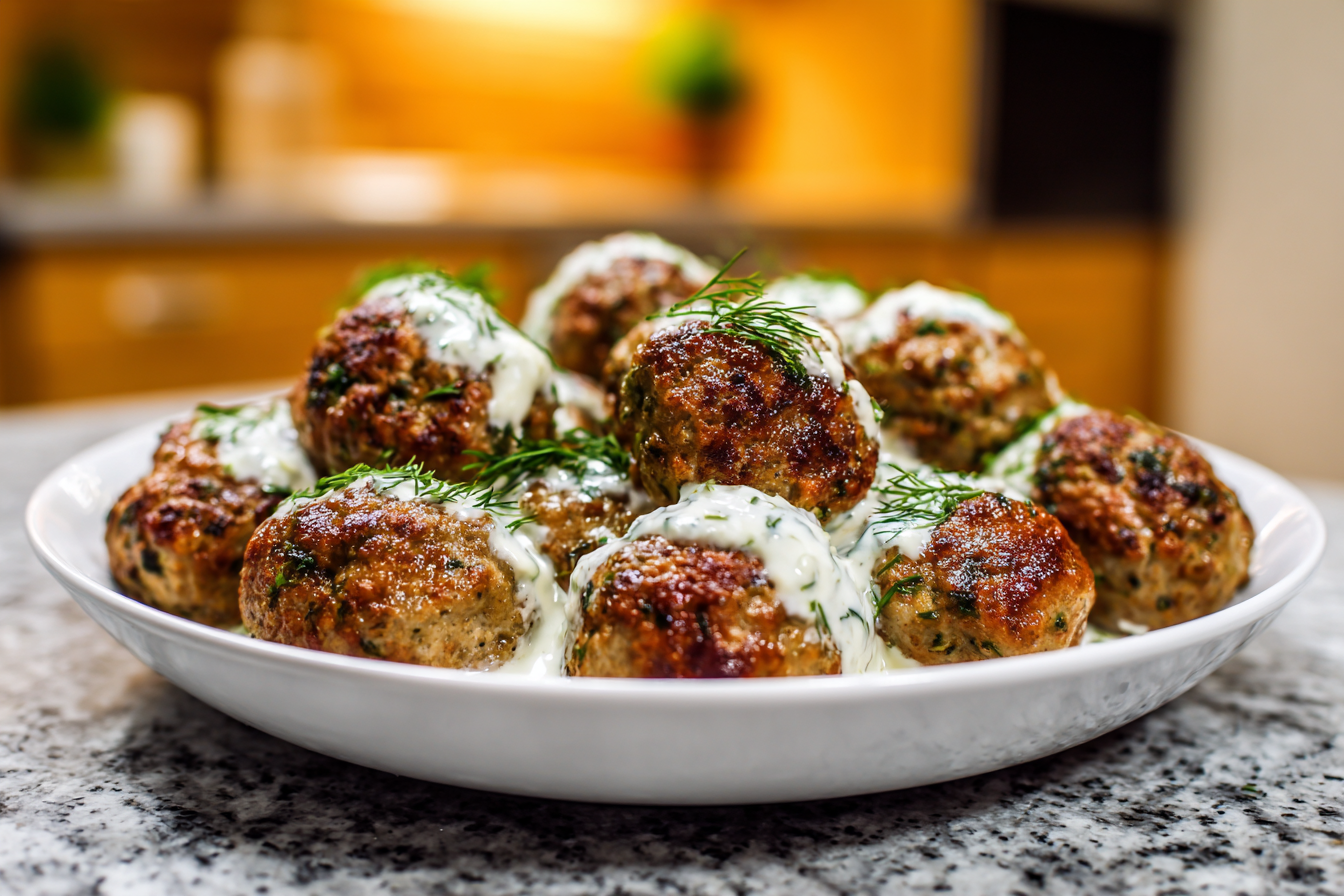
I used to think making meatballs from scratch was this monumental task, reserved for nonnas with vast kitchens and endless patience. Then came a particularly chaotic Tuesday evening when I desperately craved something fresh, flavorful, and *not* takeout. My fridge held some ground turkey, a wilting bunch of dill, and a tub of plain yogurt that was nearing its expiration date. What started as a “let’s just throw some stuff together” moment ended up becoming these incredible Greek Turkey Meatballs with Tzatziki – a truly healthy and vibrant Mediterranean dinner that quickly became a weeknight staple.
- Crafting the Perfect Meatball: Why Turkey Works Wonders Here
- Assembling Your Mediterranean Feast: Step-by-Step Goodness
- Step 1: Whip Up the Zesty Tzatziki
- Step 2: Preparing the Lean Turkey Meatball Mixture
- Step 3: Forming and Searing the Meatballs
- Common Pitfalls and How to Sail Past Them
- Serving Suggestions: What to Pair with These Greek Delights
- Meal Prep & Leftover Love: Making the Most of Your efforts
- Your Burning Questions, Answered!
There’s something uniquely satisfying about a meal that tastes indulgent but leaves you feeling light and energized. These aren’t your heavy, grease-laden meatballs. Instead, they’re packed with lean protein, bright herbs, and a subtle warmth from Mediterranean spices. The homemade tzatziki? It’s the cool, creamy counterpoint that transforms every bite into a mini-vacation to the Aegean.
Forget dry turkey burgers or bland chicken breasts. This recipe brings serious flavor to the table, proving that healthy eating can be exciting and incredibly delicious. It’s also surprisingly simple to pull together, making it perfect for those busy evenings when you need a wholesome meal without the fuss.
Crafting the Perfect Meatball: Why Turkey Works Wonders Here
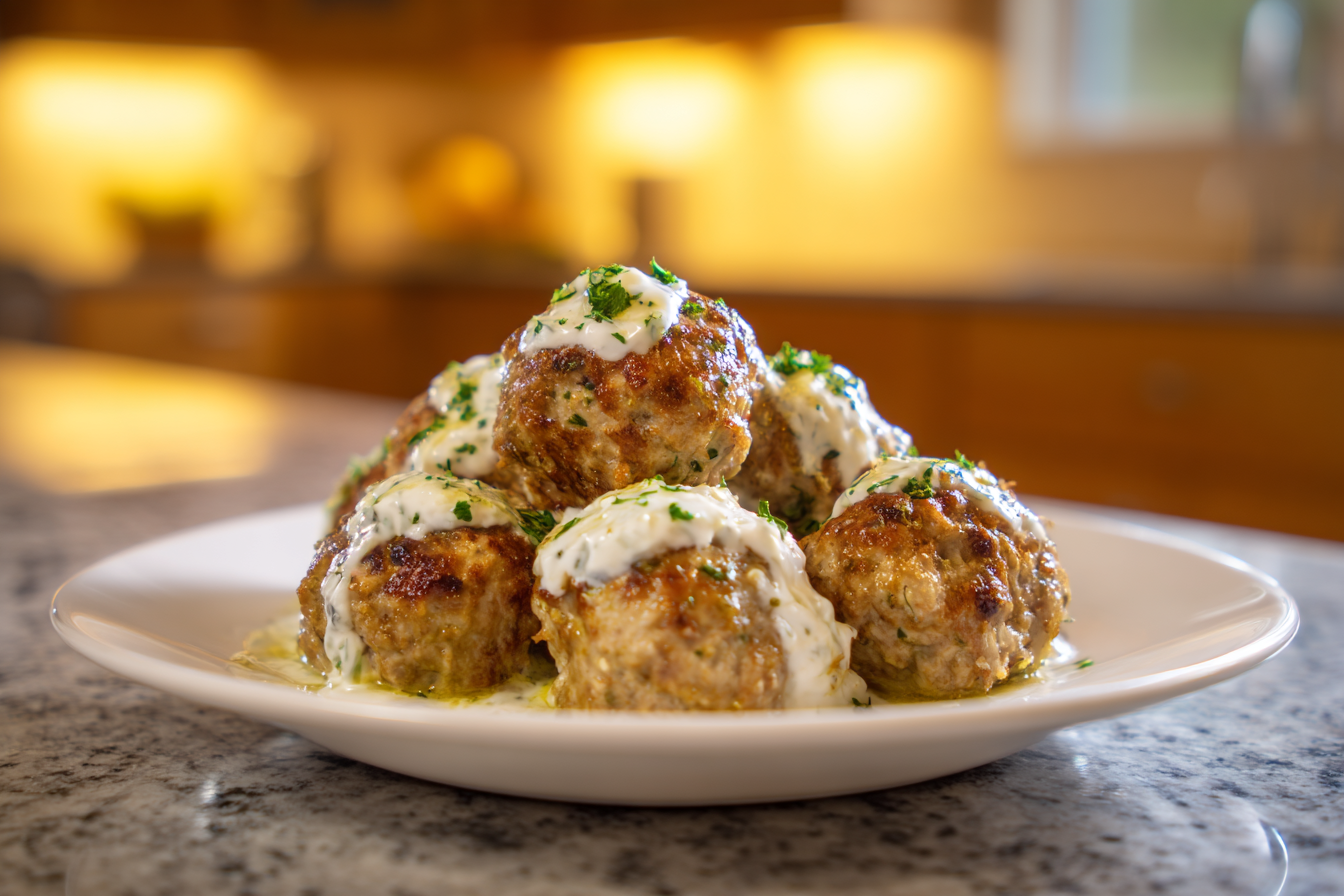
When you’re thinking about meatballs, beef or pork often come to mind first. But for this Greek-inspired dish, turkey is absolutely the star. Its mild flavor acts as a fantastic canvas for all those vibrant herbs and spices we’re going to layer in. This allows the fresh dill, mint, and oregano to really shine through, creating that quintessential Mediterranean taste we’re after.
Beyond flavor, there’s the health aspect. Ground turkey is notoriously lean, making these meatballs a fantastic option if you’re looking for a high-protein, lower-fat meal. We’re also skipping the traditional breadcrumbs here in favor of almond flour or crushed oats, which keeps them naturally gluten-free and adds a nice, tender texture without being gummy. It’s all about thoughtful ingredients working together to create something truly special.
What You’ll Need: Gathering Your Ingredients
Before we get our hands dirty (in the best possible way!), let’s round up everything that makes these meatballs and their creamy companion so irresistible. Most of these items are probably already in your pantry or easily found at any grocery store.
For the Zesty Turkey Meatballs:
- 1 pound (450g) lean ground turkey (93% or higher recommended)
- 1/2 cup almond flour or finely crushed rolled oats (for binding)
- 1/4 cup fresh dill, finely chopped
- 1/4 cup fresh mint, finely chopped
- 2 tablespoons fresh oregano, finely chopped
- 1 small shallot, finely minced (or 1/4 small red onion)
- 2 cloves garlic, minced
- 1 large egg, lightly beaten
- 1 teaspoon sea salt
- 1/2 teaspoon black pepper
- 1/2 teaspoon ground cumin
- 1/4 teaspoon ground coriander
- Zest of 1/2 lemon
- 1 tablespoon olive oil (for cooking)
For the Cool & Creamy Tzatziki:
- 1 cup plain Greek yogurt (full-fat or 2% for best texture)
- 1/2 English cucumber, grated and squeezed dry
- 1 clove garlic, minced very fine
- 1 tablespoon fresh dill, finely chopped
- 1 tablespoon fresh lemon juice
- 1 tablespoon olive oil
- 1/2 teaspoon sea salt
- Pinch of black pepper
Substitutions and Swaps to Keep it Flexible
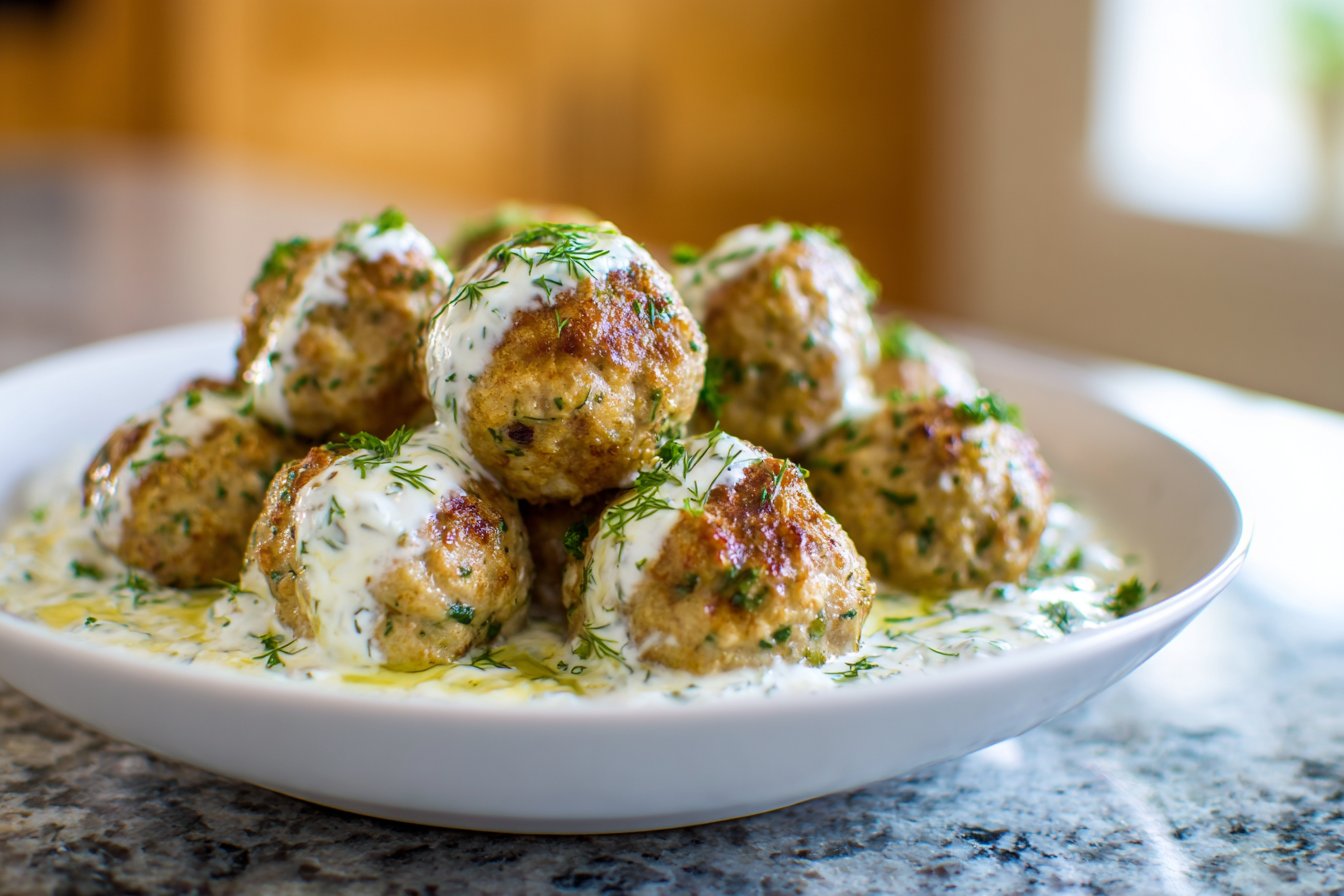
Life happens, and sometimes you don’t have every single ingredient. Don’t let that stop you! Here are a few easy swaps to keep your cooking smooth.
- Herbs: If fresh herbs aren’t available, you can use dried, but reduce the amount significantly. For example, use 1 teaspoon dried dill for every tablespoon of fresh. The flavor won’t be quite as vibrant, but it will still be delicious.
- Binder: Not a fan of almond flour? Finely crushed gluten-free crackers also work well. Just make sure they’re plain so they don’t overpower the other flavors.
- Yogurt: While Greek yogurt is ideal for tzatziki’s thickness, a good quality plain whole milk yogurt can work in a pinch. Just drain it through a cheesecloth for an hour or so to thicken it up.
- Shallot: A small amount of finely minced yellow or red onion can easily replace the shallot.
Assembling Your Mediterranean Feast: Step-by-Step Goodness
Let’s get cooking! This recipe breaks down into two main parts: making the tzatziki and then preparing and cooking the meatballs. We’ll start with the tzatziki because it benefits from a little time in the fridge for the flavors to meld.
Step 1: Whip Up the Zesty Tzatziki
First things first, grab a medium bowl. Add your Greek yogurt. It should be nice and thick.
Next, take your grated cucumber. This is important: you absolutely *must* squeeze out as much water as possible. Use a clean kitchen towel or paper towels. If you skip this, your tzatziki will be watery.
Stir in the minced garlic, chopped fresh dill, fresh lemon juice, olive oil, sea salt, and a pinch of black pepper. Mix everything together until it’s well combined and creamy.
Cover the bowl and pop it in the fridge while you make the meatballs. This chill time lets all those wonderful flavors become best friends.
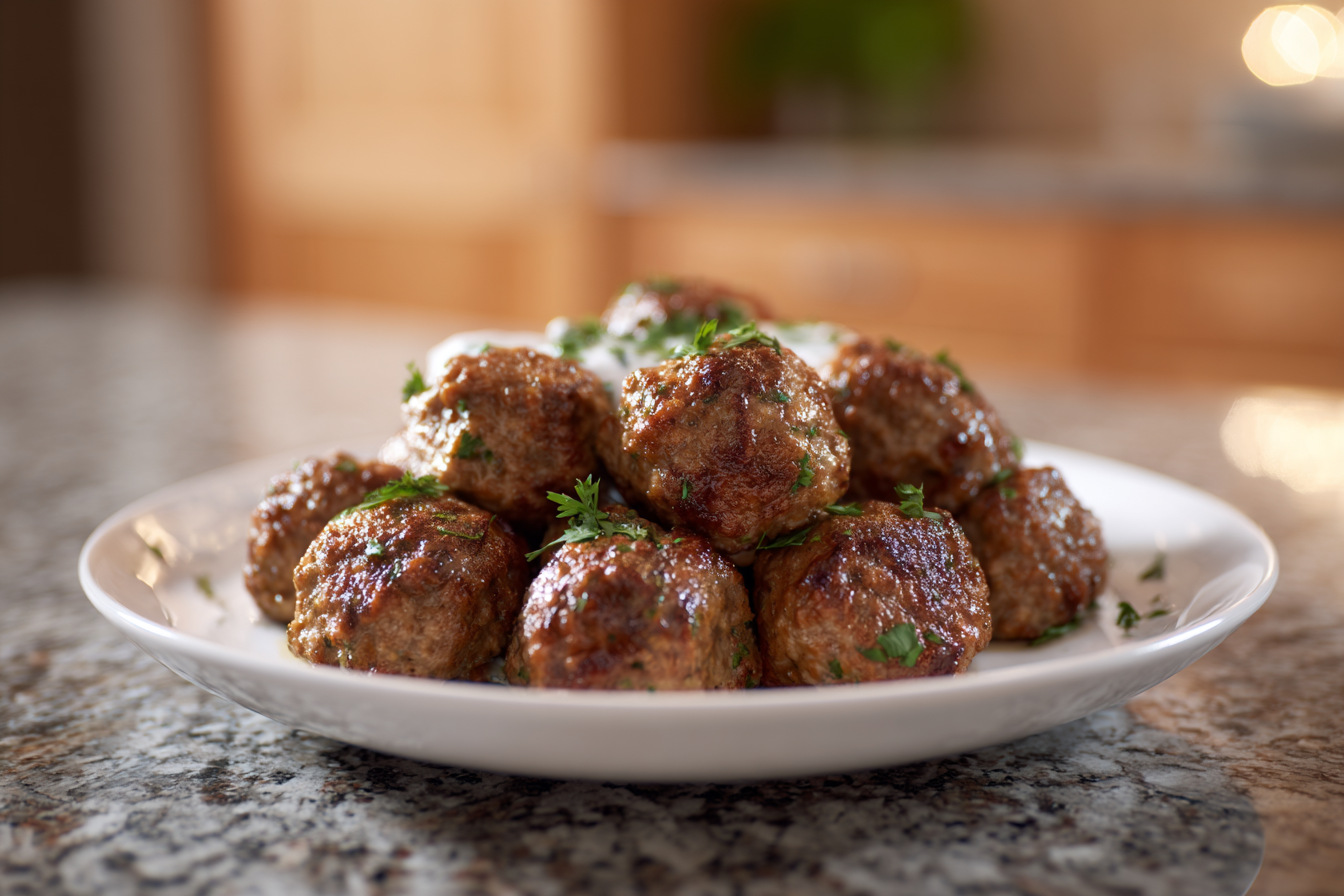
Step 2: Preparing the Lean Turkey Meatball Mixture
In a large mixing bowl, combine the ground turkey, almond flour (or crushed oats), fresh dill, fresh mint, fresh oregano, minced shallot, minced garlic, beaten egg, sea salt, black pepper, ground cumin, ground coriander, and lemon zest.
Using your hands, gently mix everything together. Be careful not to overmix, as this can make the meatballs tough. You want it just combined.
Tip: If you’re unsure about the seasoning, cook a tiny piece of the mixture in a skillet first and taste it. Adjust salt or spices as needed before forming all the meatballs! It’s a chef’s secret for perfect seasoning every time.Step 3: Forming and Searing the Meatballs
Roll the turkey mixture into uniform balls, about 1.5 inches in diameter. You should get roughly 18-20 meatballs from this batch. Placing them on a parchment-lined tray as you go can make this tidier.
Heat the olive oil in a large non-stick skillet over medium heat. Once the oil shimmers, carefully add the meatballs in a single layer, making sure not to overcrowd the pan. You might need to cook them in two batches.
Sear the meatballs for 3-4 minutes per side, turning occasionally, until they are beautifully browned all over. They won’t be cooked through at this point, but we’re building that lovely crust.
Once browned, reduce the heat to medium-low, cover the skillet, and continue to cook for another 8-10 minutes, or until the meatballs are cooked through and reach an internal temperature of 165°F (74°C). If you don’t have a lid, you can finish them in a 350°F (175°C) oven for about 10-12 minutes.
Remove the cooked meatballs from the pan and let them rest for a few minutes. This helps keep them juicy.
Common Pitfalls and How to Sail Past Them
Even the simplest recipes can have little quirks. Knowing what to watch out for can make your cooking experience much smoother. Here are a few common issues and how to avoid them with these Greek turkey meatballs:
Dry Meatballs? Not on Our Watch!
Turkey, especially lean turkey, can be prone to drying out. The key here is not to overcook them. The searing step gives them a gorgeous crust, and then the covered, lower-heat cooking (or oven finish) gently cooks them through without zapping all the moisture. Don’t press down on them while cooking, and resist the urge to keep turning them excessively.
Watery Tzatziki Woes
As mentioned before, this is almost always due to not squeezing enough moisture from the grated cucumber. Cucumbers are little water balloons! Take your time with this step, pressing firmly to get every last drop out. It makes all the difference in achieving that perfectly thick, creamy tzatziki.
Over-Spiced or Under-Seasoned?
Herbs and spices are personal. If you’re new to cooking with these specific flavors, or just want to be sure, use the “taste test” tip after mixing the meatball ingredients. A tiny cooked piece will tell you everything you need to know. Remember, you can always add more, but you can’t take it away!
Serving Suggestions: What to Pair with These Greek Delights
These Greek Turkey Meatballs are incredibly versatile and can be the star of many different meals. Here are some of my favorite ways to enjoy them:
- Classic Plate: Serve them alongside fluffy quinoa, a vibrant Greek salad (think tomatoes, cucumber, red onion, olives, and feta), and a generous dollop of tzatziki. This is pure Mediterranean bliss.
- In a Pita: Warm up some whole wheat pita bread, stuff it with the meatballs, a spoonful of tzatziki, and some crisp lettuce or chopped tomatoes for a delicious handheld meal.
- Fresh Bowl: Create a “power bowl” with a base of mixed greens, roasted vegetables (like bell peppers and zucchini), and a few meatballs with the cooling tzatziki dressing.
- Kid-Friendly Option: Kids often love meatballs! Serve them with some pasta and a light tomato sauce, or just with the tzatziki for dipping.
Meal Prep & Leftover Love: Making the Most of Your efforts
One of the best things about these Greek Turkey Meatballs is how well they stand up to meal prepping. Making a big batch on Sunday means delicious, healthy lunches or quick dinners all week long.
Make-Ahead Marvels
You can prepare the meatball mixture a day in advance and store it covered in the fridge. Form the meatballs just before cooking. The tzatziki can also be made 2-3 days ahead of time and stored in an airtight container in the refrigerator; the flavors will actually deepen! Just give it a good stir before serving.
Storage Savvy
Leftover cooked meatballs can be stored in an airtight container in the refrigerator for up to 3-4 days. The tzatziki should also be stored separately in an airtight container for up to 3 days. Because of the fresh cucumber, it doesn’t last quite as long as the meatballs.
Reheating Routines
Gently reheat the meatballs in a skillet over medium-low heat until warmed through, or pop them in the microwave for 1-2 minutes. Be careful not to overheat them, as this can make them dry. They’re also surprisingly good cold, straight from the fridge, especially if you’re packing them for lunch!
Your Burning Questions, Answered!
Cooking is a journey, and questions are part of the adventure. Here are some common queries about these delightful Greek Turkey Meatballs:
Can I bake these meatballs instead of searing them?
Absolutely! If you prefer a hands-off approach or want to avoid frying, you can bake the meatballs. Preheat your oven to 400°F (200°C). Place the formed meatballs on a parchment-lined baking sheet and bake for 18-22 minutes, or until they are cooked through and reach an internal temperature of 165°F (74°C). You won’t get quite the same sear, but they’ll still be delicious.
My tzatziki isn’t as thick as I’d like. What went wrong?
The most common culprit is insufficient drying of the grated cucumber. Cucumbers release a lot of water, and if that water isn’t squeezed out, it will thin your yogurt. Another factor could be using a thinner yogurt; Greek yogurt is naturally thicker. If it’s too late to re-squeeze, you can try adding a tiny pinch of cornstarch (a quarter teaspoon) dissolved in a tablespoon of cold water, then stirring it into the tzatziki, but this is a last resort and may slightly alter the texture.
Can I make these meatballs spicy?
You certainly can! For a little kick, add a pinch of red pepper flakes to the meatball mixture. You could also finely mince a jalapeño or serrano pepper and incorporate it. It’s not traditionally Greek, but cooking is all about making it your own!
What if I don’t have fresh herbs?
While fresh herbs truly elevate this dish, you can substitute with dried herbs. For every tablespoon of fresh herb, use about 1 teaspoon of dried. The flavor will be more concentrated, so start with less and add more if needed. For the tzatziki, dried dill works but won’t have the same bright punch, so consider adding a little extra lemon juice to compensate.
Are these meatballs freezer-friendly?
Yes, cooked meatballs freeze beautifully! Allow them to cool completely, then arrange them in a single layer on a baking sheet and freeze until solid. Once frozen, transfer them to a freezer-safe bag or container for up to 3 months. Thaw overnight in the refrigerator before reheating. I don’t recommend freezing the tzatziki, as it tends to separate upon thawing due to the high water content of the cucumber and the yogurt base.
What’s the best type of Greek yogurt for tzatziki?
For the creamiest, thickest tzatziki, I highly recommend using full-fat plain Greek yogurt. The extra fat content contributes to a richer mouthfeel and helps prevent it from becoming watery. If you’re watching calories, 2% Greek yogurt is a good compromise, but try to avoid fat-free as it can sometimes taste a bit chalky and often contains more sugar.
There you have it – a vibrant, flavorful, and healthy meal that transports you straight to the sunny Mediterranean. These Greek Turkey Meatballs are proof that healthy eating never has to be boring. So go on, get cooking, and enjoy every delicious bite!
Greek Turkey Meatballs with Homemade Tzatziki
Healthy, flavorful Greek Turkey Meatballs with fresh herbs and a creamy homemade tzatziki sauce, perfect for a balanced Mediterranean dinner.
📝 Ingredients
👩🍳 Instructions
-
1Prepare the Tzatziki: In a medium bowl, combine Greek yogurt, grated and squeezed dry cucumber, minced garlic, chopped fresh dill, lemon juice, olive oil, sea salt, and black pepper. Mix well. Cover and refrigerate while you prepare the meatballs.
-
2Mix Meatball Ingredients: In a large mixing bowl, combine ground turkey, almond flour (or crushed oats), fresh dill, fresh mint, fresh oregano, minced shallot, minced garlic, beaten egg, sea salt, black pepper, ground cumin, ground coriander, and lemon zest. Gently mix with your hands until just combined, being careful not to overmix.
-
3Form Meatballs: Roll the turkey mixture into uniform balls, about 1.5 inches in diameter. You should get roughly 18-20 meatballs.
-
4Sear Meatballs: Heat olive oil in a large non-stick skillet over medium heat. Add meatballs in a single layer, making sure not to overcrowd the pan (cook in batches if necessary). Sear for 3-4 minutes per side until beautifully browned all over.
-
5Finish Cooking: Reduce heat to medium-low, cover the skillet, and continue to cook for another 8-10 minutes, or until meatballs are cooked through and reach an internal temperature of 165°F (74°C). Remove from heat and let rest for a few minutes.
-
6Serve: Serve the warm Greek Turkey Meatballs immediately with a generous dollop of the chilled homemade Tzatziki alongside your favorite Greek side dishes like quinoa, Greek salad, or warm pita bread.
💡 Notes
For best flavor, make the tzatziki at least 30 minutes ahead of time. To prevent dry meatballs, avoid overmixing the turkey and don't overcook them. Leftover meatballs store well in the fridge for 3-4 days; tzatziki for 3 days.