

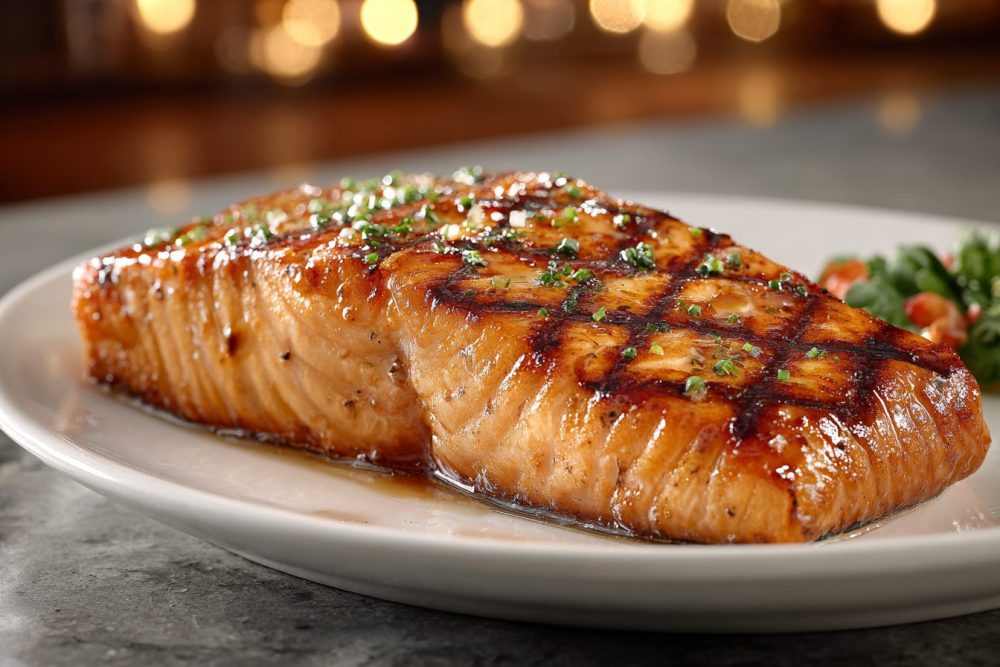
Ever had a beautiful piece of salmon turn into a dry, sad brick on the grill? Yeah, me too. For years, I avoided grilling salmon because I couldn’t seem to get it right. It was either stuck to the grates, overcooked, or just bland. This grilled salmon recipe changed everything for me, turning apprehension into anticipation for a perfectly flaky, juicy fillet every single time.
- Why This Grilled Salmon Stands Out from the Rest
- Picking Your Perfect Fillet: Ingredient Essentials
- Gear Up for Grilling
- Mastering the Technique: Grilled Salmon Step-by-Step
- Step 1: Prep Your Salmon
- Step 2: Preheat the Grill
- Step 3: Grill Skin-Side Down First
- Step 4: The Flip and Finish
- Step 5: Rest and Serve
- Common Grilling Pitfalls and How to Steer Clear
- Sides That Sing with Grilled Salmon
- Storing and Reheating Leftovers
- Grilled Salmon FAQ: Your Questions Answered
Why This Grilled Salmon Stands Out from the Rest
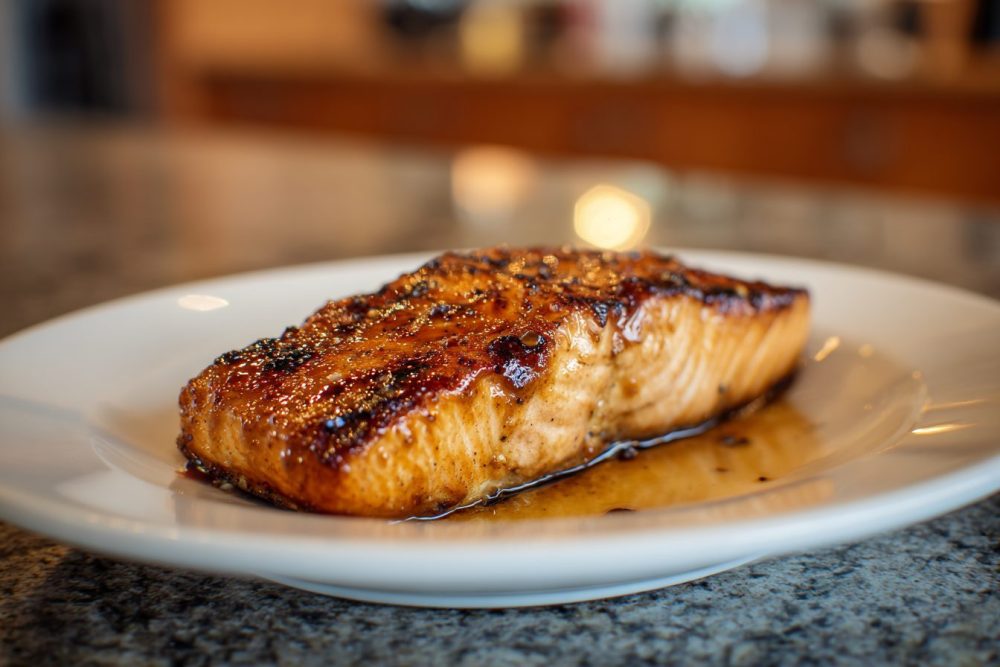
What makes this particular grilled salmon so special? It’s all in the details, my friends. We’re talking about a simple yet effective seasoning blend that enhances, rather than overwhelms, the salmon’s natural richness. We’ll also dive into the nuances of grill temperature and timing, which are absolutely critical for achieving that ideal flaky tenderness without drying it out. Many recipes focus too much on complicated marinades, but salmon itself is so flavorful, it truly shines with just a few key ingredients. We’re also tackling the age-old problem of fish sticking to the grill. No more sad, torn fillets! With a little prep and the right technique, you’ll be flipping like a pro. This method is designed to build confidence, even for those who consider themselves novices at grilling fish. It’s about empowering you to create restaurant-quality results in your own backyard.Picking Your Perfect Fillet: Ingredient Essentials
The foundation of any great dish starts with quality ingredients, and that’s especially true for fish. Don’t skimp here! When you’re at the fish counter, look for bright, vibrant colored salmon with moist flesh. Avoid any fillets that look dull, discolored, or have a strong “fishy” smell. Fresh salmon should smell like the ocean, clean and mild. Here’s what you’ll need to elevate your grilling game:The Star of the Show: Salmon Fillets
- 4 (6-ounce) salmon fillets with skin on: The skin is your friend on the grill! It acts as a protective barrier, preventing the fish from sticking and helping keep the flesh juicy. You can remove it after cooking if you prefer, but grilling with it on is a game-changer.
The Flavor Boosters
- 2 tablespoons olive oil: A good quality extra virgin olive oil helps with seasoning adhesion and prevents sticking.
- 1 teaspoon smoked paprika: Adds a beautiful color and a subtle smoky depth that complements the grill.
- ½ teaspoon garlic powder: A pantry staple that provides a gentle aromatic kick.
- ½ teaspoon onion powder: Enhances the savory notes without being overpowering.
- ¼ teaspoon black pepper: Freshly ground is always best for maximum aroma.
- ½ teaspoon sea salt or kosher salt: Essential for bringing out all the flavors. Adjust to your preference.
- Lemon wedges, for serving: A squeeze of fresh lemon at the end brightens everything up.
Gear Up for Grilling
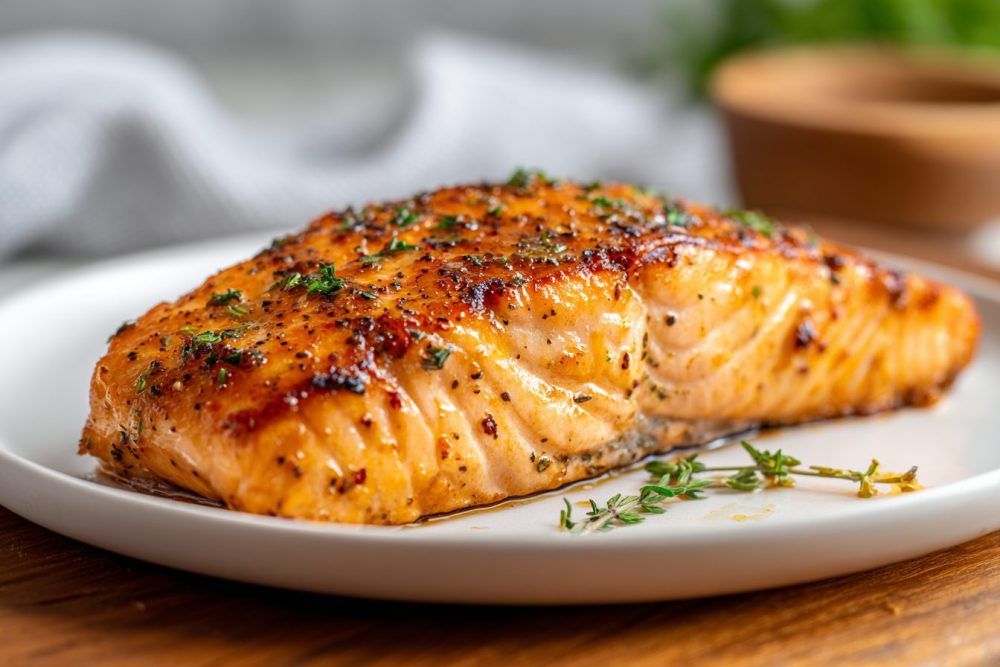
Before we dive into the method, let’s make sure you have the right tools. You don’t need anything fancy, just a few basics to make your grilling experience smooth and successful. A good pair of long-handled tongs is essential for moving things around on the hot grates. A fish spatula, with its thin, flexible blade, is also highly recommended – it’s designed specifically for delicate items like fish and makes flipping a breeze. A reliable instant-read thermometer will be your best friend for ensuring perfectly cooked fish every time. No more guessing games!Mastering the Technique: Grilled Salmon Step-by-Step
Grilling salmon successfully is a dance between prep, heat, and timing. Follow these steps, and you’ll be rewarded with a magnificent meal.Step 1: Prep Your Salmon
Start by patting your salmon fillets completely dry with paper towels. This is a crucial step! Excess moisture inhibits a good sear and can lead to sticking. In a small bowl, whisk together the olive oil, smoked paprika, garlic powder, onion powder, black pepper, and sea salt to create your seasoning blend. Brush the salmon fillets on both sides with this seasoned oil, ensuring an even coating. Tip: Don’t forget the sides of the fillets! A good coating all around ensures maximum flavor and helps prevent sticking.
Step 2: Preheat the Grill
Preheat your gas grill to medium-high heat (about 400-450°F / 200-230°C). If using a charcoal grill, arrange the coals for direct, medium-high heat. Once hot, clean the grill grates thoroughly with a wire brush. Then, lightly oil them by dipping a wadded paper towel in a little vegetable oil and carefully rubbing it over the hot grates with tongs. This creates a non-stick surface.
Step 3: Grill Skin-Side Down First
Carefully place the salmon fillets, skin-side down, on the preheated and oiled grill grates. Close the lid and cook for 5-7 minutes. During this time, resist the urge to move or flip the fish. This allows the skin to crisp up and create a natural barrier, making it easier to flip later. You’ll see the flesh starting to turn opaque from the bottom up.
Step 4: The Flip and Finish
Using a thin, flexible fish spatula, carefully flip the salmon fillets. They should release easily if the skin is properly crisped. Close the lid and continue to grill for another 3-5 minutes, or until the internal temperature reaches 140-145°F (60-63°C) at its thickest part. The fish should flake easily with a fork. Note: Cooking times can vary based on the thickness of your fillets. Thicker cuts will take a bit longer. Always rely on an internal temperature reading for perfect doneness.
Step 5: Rest and Serve
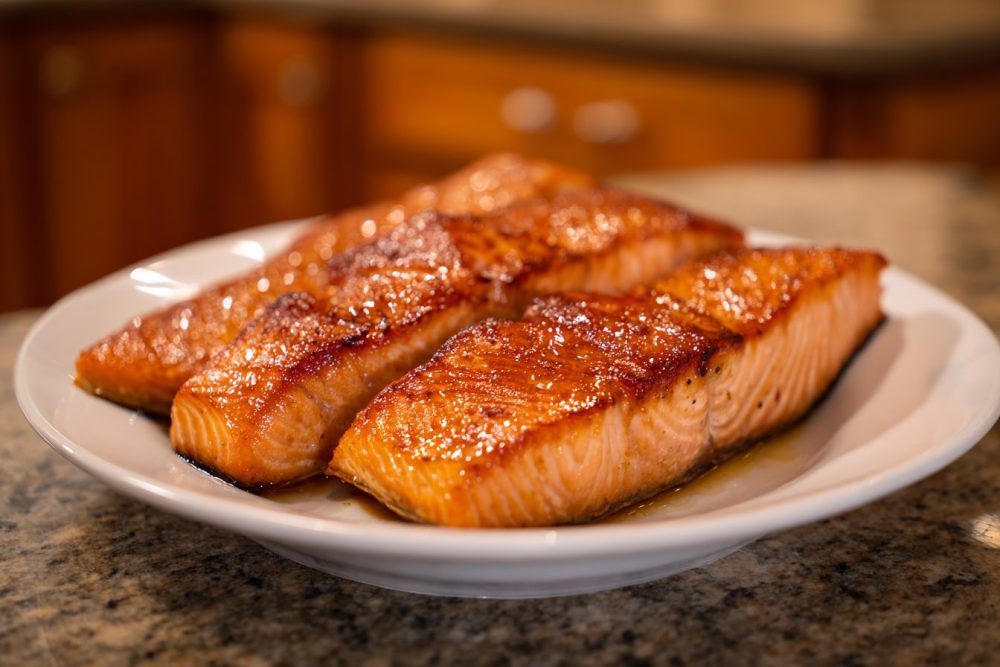
Once cooked, transfer the grilled salmon to a plate. Let it rest for 5 minutes before serving. This allows the juices to redistribute, ensuring a moist and flavorful result. Serve immediately with fresh lemon wedges.
Common Grilling Pitfalls and How to Steer Clear
Even with the best intentions, grilling fish can present a few challenges. Let’s tackle some common issues head-on so you can avoid them entirely and achieve grilled salmon perfection.Fish Sticking to the Grill
This is probably the most common complaint! The key is a hot, clean, and well-oiled grill. Make sure your grill is thoroughly preheated before you even think about putting the fish on. Clean off any old debris, then oil the grates right before placing the salmon. Most importantly, don’t move the fish too soon! Let it cook undisturbed for those initial 5-7 minutes; it will naturally release when it’s ready to flip.Overcooked, Dry Salmon
Salmon cooks quickly, and it’s easy to push it too far. The best defense here is an instant-read thermometer. Aim for 140-145°F (60-63°C). Remember that it will continue to cook slightly even after it’s removed from the heat (carryover cooking). Pull it off the grill when it’s just shy of your target temperature.Lack of Flavor
While salmon is inherently flavorful, a little seasoning goes a long way. Don’t be afraid to season generously! Our smoked paprika and garlic blend is fantastic, but you can also experiment with other herbs and spices. A finishing squeeze of lemon juice is also a non-negotiable for brightness.Uneven Cooking
If your fillets are of varying thicknesses, they’ll cook at different rates. Try to select fillets that are roughly the same size and thickness for more consistent results. If you have one particularly thick piece, place it on the hottest part of the grill, or consider cooking it slightly longer on the first side.Sides That Sing with Grilled Salmon
One of the beautiful things about grilled salmon is how versatile it is. It pairs wonderfully with a myriad of side dishes, making it suitable for almost any occasion. Consider light, fresh options that complement its rich flavor without overpowering it. For a simple weeknight meal, a fresh green salad with a light vinaigrette is always a winner. Steamed or roasted asparagus, green beans, or broccoli are also fantastic choices, often able to be cooked right alongside the salmon on the grill or in the oven. If you’re looking for something a bit heartier, try a quinoa salad with fresh herbs and cherry tomatoes, or perhaps some wild rice. Even a simple couscous or a light pasta salad can be a delightful accompaniment.Storing and Reheating Leftovers
While grilled salmon is undeniably best enjoyed fresh off the grill, sometimes you end up with leftovers (a rare but happy occurrence!). Properly storing and reheating can help maintain its deliciousness.Storage
Allow any leftover salmon to cool completely to room temperature, then transfer it to an airtight container. Store it in the refrigerator for up to 2-3 days. Avoid leaving cooked salmon out at room temperature for more than two hours.Reheating
To reheat, the key is to do it gently to avoid drying out the fish. The microwave can be tempting but often leads to rubbery results. Instead, preheat your oven to a low temperature, around 275°F (135°C). Place the salmon in an oven-safe dish, perhaps with a splash of water or broth to create some steam, and cover it loosely with foil. Heat for 10-15 minutes, or until just warmed through. You can also flake it cold into salads or wrap it in tortillas for delicious salmon tacos.Grilled Salmon FAQ: Your Questions Answered
It’s natural to have questions when perfecting a new grilling technique, especially with fish. Here are some common queries and their straightforward answers to help you grill with confidence.Should I remove the skin before grilling?
No! Definitely leave the skin on. The skin protects the delicate flesh from the direct heat of the grill, helping it stay moist and preventing it from sticking. Plus, if it gets crispy, it’s absolutely delicious. You can easily remove it after cooking if you prefer not to eat it.How do I know when my salmon is done?
The best way is to use an instant-read thermometer. Insert it into the thickest part of the fillet; it should register between 140-145°F (60-63°C). Visually, the salmon will turn opaque throughout and flake easily with a fork. It will still look slightly translucent in the very center, which is perfect, as it will continue to cook a bit after being removed from the heat.Can I use other seasonings?
Absolutely! Our blend is a fantastic starting point, but feel free to experiment. Lemon pepper, dill, a touch of brown sugar for a sweet and savory crust, or even a simple blend of salt, pepper, and garlic are all wonderful on salmon. Just be sure not to douse it in too much liquid marinade, as it can make it harder to get a good sear.What if I don’t have a grill?
No problem! You can achieve excellent results with a cast-iron skillet on the stovetop or by baking it in the oven. For stovetop, heat a cast-iron skillet over medium-high heat with a little oil, then cook skin-side down for 5-7 minutes, flip, and finish for another 3-5 minutes. For baking, preheat your oven to 400°F (200°C), place seasoned salmon on a baking sheet, and bake for 12-18 minutes, depending on thickness.My salmon is sticking to the grates! What am I doing wrong?
This usually comes down to one of three things: the grill wasn’t hot enough, the grates weren’t clean, or they weren’t oiled. Ensure your grill is screaming hot, the grates are scraped clean, and then lightly oiled right before placing the fish. Also, resisting the urge to move the fish too early is key – let it form a crust, and it will release naturally.There you have it – a straightforward, foolproof guide to making grilled salmon that will impress everyone at your table (including yourself!). This recipe is a testament to the fact that simple ingredients, when treated with respect and proper technique, can yield truly extraordinary results. Don’t be shy; fire up that grill and enjoy the delicious journey!
Perfectly Flaky Grilled Salmon
Achieve juicy, flaky grilled salmon with a simple seasoning in under 30 minutes. Easy, healthy, and delicious every time.
📝 Ingredients
👩🍳 Instructions
-
1Pat salmon fillets completely dry with paper towels. In a small bowl, whisk together the olive oil, smoked paprika, garlic powder, onion powder, black pepper, and sea salt. Brush the salmon fillets on both sides with this seasoned oil, ensuring an even coating.
-
2Preheat your gas grill to medium-high heat (about 400-450°F / 200-230°C). Clean the grill grates thoroughly with a wire brush, then lightly oil them by rubbing a wadded paper towel dipped in vegetable oil over the hot grates with tongs.
-
3Carefully place the salmon fillets, skin-side down, on the preheated and oiled grill grates. Close the lid and cook for 5-7 minutes. Do not move or flip the fish during this time.
-
4Using a thin, flexible fish spatula, carefully flip the salmon fillets. Close the lid and continue to grill for another 3-5 minutes, or until the internal temperature reaches 140-145°F (60-63°C) at its thickest part.
-
5Once cooked, transfer the grilled salmon to a plate. Let it rest for 5 minutes before serving. Serve immediately with fresh lemon wedges.
💡 Notes
Always use an instant-read thermometer for perfectly cooked salmon. If you don't have a grill, a hot cast-iron skillet or oven at 400°F (200°C) can also yield delicious results. Leftovers store well in the fridge for 2-3 days.