


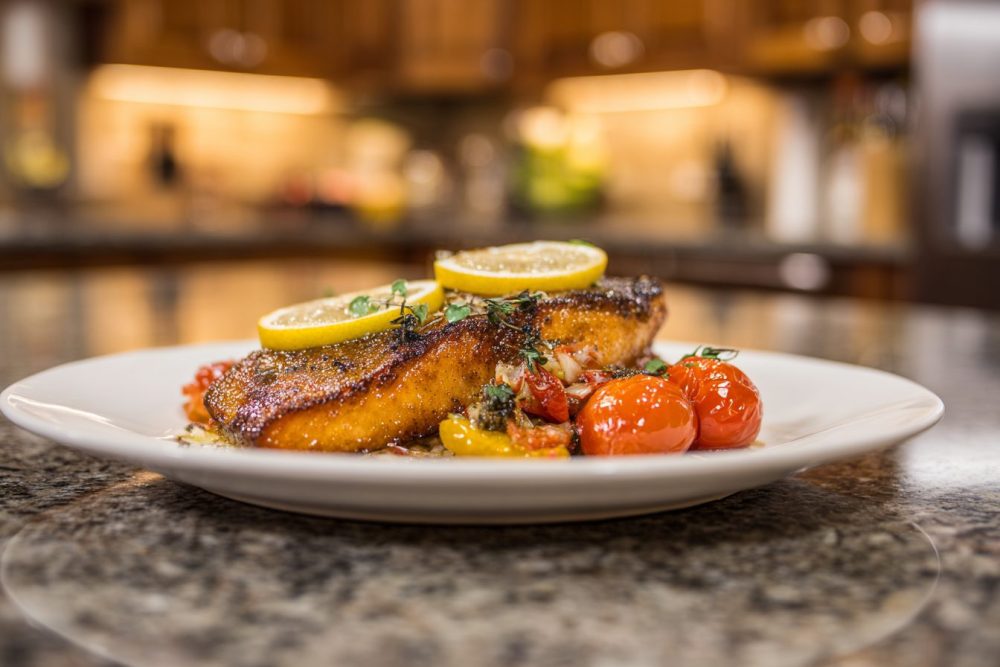
Ever wondered how restaurants get that perfectly golden, shatteringly crisp skin on their salmon while keeping the inside unbelievably moist and flaky? It’s a trick that seems reserved for professional chefs, but I’m here to tell you it’s entirely achievable in your home kitchen. Today, we’re diving deep into the art of making Gordon Ramsay crispy skin salmon, a dish that consistently wows and delivers on every front. Forget everything you thought you knew about cooking fish; this method is a game-changer.
- Unlocking the Secret: What Makes This Salmon So Good?
- Kitchen Essentials: Gathering Your Ingredients
- Crafting the Perfect Crispy Skin: Step-by-Step Guide
- Prepping Your Fillets for Success
- The Pan-Searing Process for Ultimate Crunch
- Final Touches and Serving
- Common Pitfalls and How to Sidestep Them
- Serving Suggestions and Pairing Perfection
- Frequently Asked Questions About Crispy Salmon
Unlocking the Secret: What Makes This Salmon So Good?
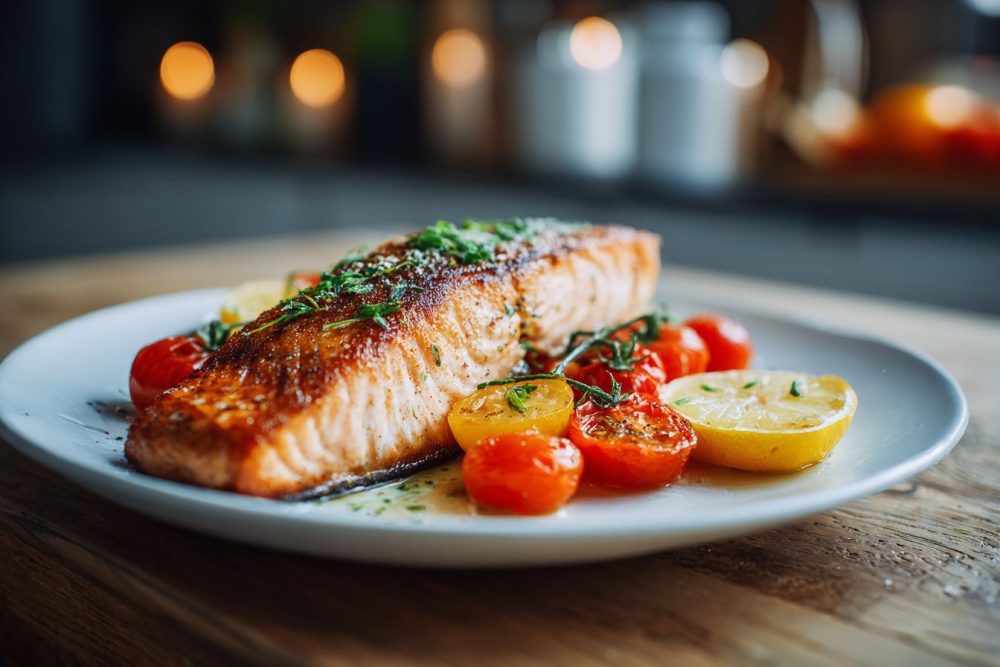
You might be thinking, “It’s just salmon, what’s all the fuss?” But there’s a reason Gordon Ramsay’s technique for crispy skin salmon is legendary. It’s all about precision and understanding a few key principles. The magic truly happens in the pan, with a perfectly seasoned fillet and controlled heat. It’s less about fancy ingredients and more about impeccable execution. This method focuses on extracting moisture from the skin and rendering the fat, creating that irresistible crunch without overcooking the delicate fish beneath.Choosing Your Catch: The Best Salmon for Crispy Skin
For this recipe, the type of salmon matters. You want a good quality fillet with the skin on – and ideally, scales removed. Atlantic salmon is a popular choice for its rich flavor and higher fat content, which helps achieve that beautiful crispiness. Sockeye is leaner but can also work if you adjust cooking times slightly. Aim for fillets that are relatively even in thickness to ensure uniform cooking. Freshness is paramount, so make friends with your local fishmonger!Kitchen Essentials: Gathering Your Ingredients
You don’t need a pantry full of exotic spices for this one. The beauty of this dish lies in its simplicity, allowing the quality of the salmon to shine. Here’s what you’ll need to make this stellar dish come to life.Main Players: The Salmon and Seasoning
- Salmon Fillets with Skin On: About 6-ounce portions, preferably center-cut.
- Olive Oil: A good quality extra virgin olive oil for searing.
- Salt: Flaky sea salt or kosher salt for seasoning.
- Black Pepper: Freshly ground makes a difference.
Aromatic Accents for the Pan and Plate
- Garlic: Fresh cloves, lightly smashed.
- Fresh Thyme Sprigs: A few sprigs add an earthy aroma.
- Lemon: Fresh lemon wedges for serving and a squeeze at the end.
- Butter: Unsalted butter for basting, adding richness and flavor.
- Optional: Cherry Tomatoes: Halved, for a burst of freshness and color alongside.
Crafting the Perfect Crispy Skin: Step-by-Step Guide
This is where the magic happens. Don’s rush these steps; patience is your friend here. The entire process, from prep to plate, is surprisingly quick, making it perfect for a weeknight dinner that feels like a special occasion. We’re aiming for that perfect balance – crispy skin, moist interior.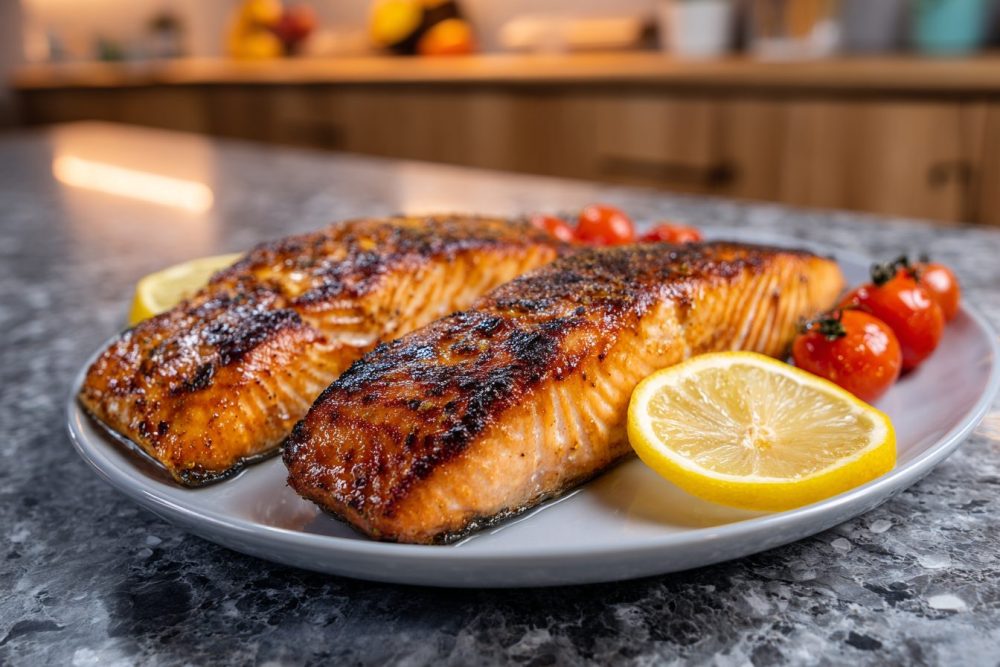
Prepping Your Fillets for Success
- Pat It Dry, Seriously Dry: This is arguably the most crucial step for crispy skin. Use paper towels to thoroughly pat both sides of your salmon fillets completely dry. Any residual moisture will steam the skin instead of crisping it.
- Season Generously: Sprinkle both sides of the salmon liberally with salt and freshly ground black pepper. Don’t be shy, especially on the skin side. The salt helps draw out more moisture and enhances the flavor.
- Score the Skin (Optional but Recommended): With a sharp knife, make 2-3 shallow scores across the skin side of each fillet, being careful not to cut into the flesh. This helps prevent the skin from curling and allows fat to render more evenly.
The Pan-Searing Process for Ultimate Crunch
- Heat the Pan: Place a heavy-bottomed, oven-safe skillet (cast iron or stainless steel works best) over medium-high heat. Let it get nice and hot – you want to hear a sizzle immediately.
- Add Oil: Pour in a tablespoon or two of olive oil. Swirl to coat the bottom. You should see it shimmer, but not smoke.
- Skin-Side Down: Carefully place the salmon fillets, skin-side down, into the hot pan. Press down gently on each fillet with a spatula for the first 30 seconds to ensure even contact with the pan.
- Cook Undisturbed: Let the salmon cook, undisturbed, for 5-7 minutes. During this time, the skin will crisp up beautifully, and the flesh will start to cook from the bottom up. You’ll see the color change about halfway up the fillet.
Tip: Resist the urge to move or flip the salmon too early! This is key for developing that golden, crispy crust. - Add Aromatics and Butter: Once the skin is golden and crispy, flip the salmon. Immediately add the smashed garlic cloves, thyme sprigs, and a tablespoon of butter to the pan. The butter will melt and foam around the fish.
- Baste and Finish: Tilt the pan slightly and use a spoon to continuously baste the melting butter, garlic, and thyme over the flesh side of the salmon for another 2-4 minutes, or until the salmon reaches your desired doneness (internal temperature of 145°F/63°C for medium).
Final Touches and Serving
- Rest the Fish: Transfer the salmon to a plate and let it rest for a couple of minutes. This allows the juices to redistribute, ensuring a moist fillet.
- Serve with Zest: Squeeze fresh lemon juice over the cooked salmon and serve immediately with the pan aromatics. If using cherry tomatoes, you can quickly toss them in the hot pan after removing the salmon for a minute or two until they just begin to soften.
Common Pitfalls and How to Sidestep Them
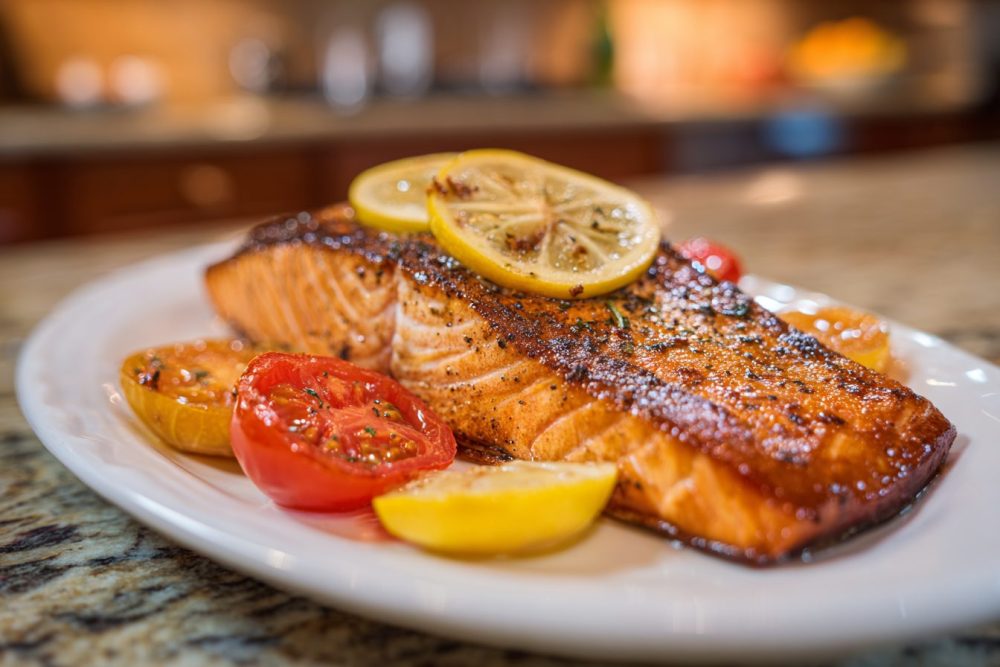
Even with the best intentions, cooking fish can sometimes go awry. Knowing what to watch out for can save your salmon and ensure every attempt is a success.The Soggy Skin Syndrome
This is the most common issue. Its primary culprit? Moisture. If your salmon skin isn’t bone-dry before it hits the pan, it will steam instead of sear. Always take the extra minute or two to pat it down thoroughly with paper towels. A sprinkle of salt beforehand can also help draw out surface moisture.Overcooking the Fillet
Salmon cooks quickly. Overcooked salmon is dry, chalky, and frankly, a culinary tragedy. Keep a close eye on it. The moment the internal temperature reaches 145°F (63°C) or the flesh flakes easily with a fork, it’s done. Remember, it will continue to cook slightly even after it’s removed from the heat. Err on the side of slightly underdone, especially if you’re new to cooking fish.Sticking to the Pan
A sticky situation often arises from a pan not hot enough or not enough oil. Ensure your pan is properly preheated and that you’ve used a sufficient amount of oil (or a non-stick pan, though cast iron gives a better sear). Don’t try to move the fish until the skin has fully crisped and naturally releases from the pan.Serving Suggestions and Pairing Perfection
This Gordon Ramsay crispy skin salmon is incredibly versatile. It’s elegant enough for a dinner party, yet simple enough for a Tuesday night. Here are a few ideas to complete your meal.Light & Fresh Sides
- Roasted Asparagus: A classic pairing, simply tossed with olive oil, salt, and pepper.
- Lemon-Herb Orzo: A light pasta side with fresh herbs and a bright lemon kick.
- Simple Green Salad: A crisp salad with a vinaigrette dressing provides a refreshing contrast.
Heartier Accompaniments
- Creamy Mashed Potatoes: A comforting cushion for the flavorful salmon.
- Garlic Parmesan Roasted Potatoes: Crispy potatoes that echo the texture of the salmon skin.
- Quinoa Pilaf: A nutritious and flavorful grain option.
Wine Pairings
For white wine, a crisp Sauvignon Blanc or a light Pinot Grigio would be fantastic. If you prefer red, a very light-bodied Pinot Noir can also complement the richness of the salmon without overpowering it.Frequently Asked Questions About Crispy Salmon
Got questions? I’ve got answers. Here are some of the most common queries I hear about perfecting salmon.Can I make crispy skin salmon in the oven?
While you can bake salmon, achieving that true, shatteringly crispy skin is much harder in the oven compared to pan-searing. The direct, intense heat of a hot skillet is what renders the fat and dries out the skin most efficiently. If you must use the oven, a high broiler setting can help in the last few minutes, but pan-searing is definitely the preferred method for optimal crispness.How do I know when my salmon is cooked through?
The best way is with an instant-read thermometer. Insert it into the thickest part of the fillet; it should read 145°F (63°C) for medium-cooked salmon. Visually, the flesh will change from translucent to opaque, and it should flake easily with a fork. There will still be a slight translucency in the very center, which indicates perfect doneness.What if I don’t have fresh thyme or garlic?
While fresh aromatics add incredible flavor, you can certainly adapt. Dried thyme can be used, though in a smaller quantity (about 1/3 of the amount of fresh). For garlic, garlic powder can substitute, but the fresh cloves provide a more nuanced flavor. If you omit them entirely, the salmon will still be delicious thanks to the crispy skin and lemon.Can I use frozen salmon for this recipe?
Absolutely, but with a crucial caveat: thaw it completely first. Place it in the refrigerator overnight, or for a quicker thaw, submerge the vacuum-sealed package in cold water for a few hours. Once thawed, pat it *extremely* dry before seasoning and searing, as frozen salmon tends to retain more moisture.How do I store and reheat leftover crispy skin salmon?
Store leftover salmon in an airtight container in the refrigerator for up to 2-3 days. To reheat without losing all that precious crispiness, avoid the microwave. Gently reheat it in a dry skillet over medium-low heat for a few minutes, skin-side down, until warmed through. Alternatively, a low oven (around 275°F/135°C) for 10-15 minutes can also work.
Gordon Ramsay Crispy Skin Salmon
Master Gordon Ramsay's technique for ultra-crispy skin salmon with tender, juicy flesh. A gourmet meal in minutes!
📝 Ingredients
👩🍳 Instructions
-
1Thoroughly pat salmon fillets dry with paper towels on both sides. This is crucial for crispy skin.
-
2Score the skin side of each fillet 2-3 times with a sharp knife, being careful not to cut into the flesh.
-
3Season both sides of the salmon generously with salt and black pepper.
-
4Heat a heavy-bottomed, oven-safe skillet (cast iron or stainless steel) over medium-high heat until hot.
-
5Add olive oil to the pan. When shimmering, carefully place salmon fillets skin-side down in the hot pan. Immediately press down gently on each fillet with a spatula for the first 30 seconds to ensure even contact. Do not move or flip.
-
6Cook undisturbed for 5-7 minutes, or until the skin is deeply golden brown and crispy, and the flesh has cooked about halfway up the fillet.
-
7Flip the salmon fillets. Immediately add smashed garlic, fresh thyme sprigs, and unsalted butter to the pan.
-
8Tilt the pan and use a spoon to continuously baste the melting butter, garlic, and thyme over the flesh side of the salmon for another 2-4 minutes, or until desired doneness (internal temperature of 145°F/63°C).
-
9Transfer salmon to a plate and let rest for 2 minutes. If using, add cherry tomatoes to the hot pan and toss for 1-2 minutes until just softened. Serve salmon with a squeeze of fresh lemon juice and the pan aromatics and tomatoes.
💡 Notes
Ensure your salmon is as dry as possible before cooking to achieve maximum crispiness. Don't crowd the pan; cook in batches if necessary. An instant-read thermometer is your best friend for perfectly cooked fish.