
Have you ever wondered if there’s a way of eating that feels less like a diet and more like a vibrant, delicious lifestyle? Because that’s exactly how I felt when I first dipped my toes into the world of Mediterranean cuisine. It’s not about restriction; it’s about abundance – fresh produce, hearty grains, healthy fats, and flavors that sing on your tongue. This beginner Mediterranean diet meal plan is designed to make that transition as smooth and enjoyable as possible, proving that healthy eating can truly be a feast.
- What’s the Big Deal with the Mediterranean Diet, Anyway?
- Your Starter Mediterranean Food List: Stocking Your Kitchen
- Fresh Produce: The Heart of Every Meal
- Pantry Staples: Grains, Legumes & Oil
- Dairy & Protein (In Moderation)
- A 7-Day Beginner Mediterranean Diet Meal Plan: Simple & Delicious
- Day 1: Fresh Starts
- Day 2: Lighter & Brighter
- Day 3: Flavorful & Satisfying
- Day 4: Mediterranean Classics
- Day 5: Hearty & Wholesome
- Day 6: Weekend Feasting
- Day 7: Relaxed & Recharge
- Let’s Get Cooking: Two Simple Mediterranean Recipes
- Frequently Asked Questions About Mediterranean Eating
- Can I still drink coffee on the Mediterranean diet?
- Is the Mediterranean diet good for weight loss?
- What if I don’t like fish? Are there other protein options?
- What about snacks? What can I eat between meals?
- Do I have to give up all my favorite foods?
- Bringing It All Together: Your Mediterranean Journey Begins
What’s the Big Deal with the Mediterranean Diet, Anyway?
Before we get to the delicious food, let’s briefly chat about *why* this eating style is so revered. It’s less a strict diet and more a pattern of eating inspired by the traditional cuisines of countries bordering the Mediterranean Sea, like Greece, Italy, and Spain. It emphasizes plant-based foods, healthy fats, and lean proteins, making it incredibly well-rounded and sustainable.The Cornerstones of Mediterranean Eating
This isn’t about specific rules as much as it is about principles. When you think “Mediterranean,” picture these key components: Abundant Plant Foods: Fruits, vegetables, whole grains, legumes, and nuts are the stars of every meal. They provide fiber, vitamins, and antioxidants. Healthy Fats are King: Extra virgin olive oil is the primary source of fat, used for everything from cooking to dressing salads. Avocados, nuts, and seeds also play a crucial role. Lean Protein, Thoughtfully Consumed: Fish and seafood are eaten regularly, often a few times a week. Poultry, eggs, and dairy are consumed in moderation, while red meat is enjoyed sparingly, usually only a few times a month. Herbs & Spices: Flavor comes from fresh herbs and natural spices, reducing the need for excessive salt or unhealthy sauces. Water & Wine (in moderation): Water is the beverage of choice, and red wine is often consumed with meals, though certainly not a requirement! Emphasis on Whole Foods: Processed foods, refined sugars, and unhealthy fats are kept to a minimum. It’s a holistic approach that also includes regular physical activity, sharing meals with loved ones, and a general appreciation for life – truly a lifestyle, not just a diet.Your Starter Mediterranean Food List: Stocking Your Kitchen
Building a Mediterranean pantry is a joyful process. You’ll find yourself reaching for colorful, fresh ingredients and rich, aromatic staples. Here’s a comprehensive list to guide your next grocery run, broken down into categories for easy shopping.Fresh Produce: The Heart of Every Meal
This is where the Mediterranean diet truly shines. Aim for a rainbow of colors! Vegetables: Tomatoes, cucumbers, bell peppers (all colors!), zucchini, eggplant, spinach, kale, broccoli, cauliflower, onions, garlic, mushrooms, artichokes. Don’t forget fresh herbs like parsley, basil, oregano, and dill. Fruits: Berries (strawberries, blueberries, raspberries), apples, oranges, lemons, limes, grapes, peaches, plums, figs.Pantry Staples: Grains, Legumes & Oil
These form the backbone of many Mediterranean dishes. Whole Grains: Quinoa, brown rice, whole wheat pasta, whole wheat bread, oats, farro, barley. Legumes: Canned chickpeas, lentils (canned or dried), cannellini beans, kidney beans. Healthy Fats: Extra virgin olive oil (invest in good quality!), olives, avocados. Nuts & Seeds: Almonds, walnuts, pistachios, sunflower seeds, pumpkin seeds, chia seeds, flax seeds. Canned Goods: Canned tomatoes (diced, crushed, paste), tuna in olive oil, anchovies (optional, but a flavor booster!). Vinegars: Red wine vinegar, balsamic vinegar. Spices: Oregano, basil, thyme, rosemary, cumin, paprika, red pepper flakes, salt, black pepper.Dairy & Protein (In Moderation)
These are supportive players, not the main act. Dairy: Greek yogurt (plain), feta cheese, halloumi, ricotta cheese. Protein: Fresh fish (salmon, cod, sardines, mackerel), shrimp, chicken breast/thighs, eggs.
A 7-Day Beginner Mediterranean Diet Meal Plan: Simple & Delicious
This meal plan is designed to be flexible and introduce you to the principles without feeling overwhelming. Feel free to swap meals around based on your preferences and what produce looks best at the market. Remember, portion sizes are important, but the focus is on *what* you eat. This entire beginner Mediterranean diet meal plan is built on accessible ingredients and straightforward cooking methods.Day 1: Fresh Starts
Breakfast: Greek yogurt with berries, a drizzle of honey, and a sprinkle of chopped walnuts. Lunch: Large mixed green salad with cucumber, tomato, bell pepper, olives, chickpeas, dressed with olive oil and lemon juice. Dinner: Baked salmon with roasted vegetables (zucchini, bell peppers, onions) seasoned with oregano and garlic. Serve with a small side of quinoa.Day 2: Lighter & Brighter
Breakfast: Whole-grain toast with mashed avocado, a pinch of red pepper flakes, and a sliced hard-boiled egg. Lunch: Leftover baked salmon and roasted vegetables. Dinner: Lentil soup (homemade or a low-sodium canned version) with a small whole-wheat pita.Day 3: Flavorful & Satisfying
Breakfast: Oatmeal cooked with water or almond milk, topped with sliced apple and a spoon of almond butter. Lunch: Tuna salad (made with olive oil and lemon juice instead of mayo) served over a bed of mixed greens or in a whole-wheat wrap. Dinner: Chicken and vegetable skewers (chicken breast, cherry tomatoes, zucchini, bell peppers) grilled or baked, served with a fresh cucumber-tomato salad.Day 4: Mediterranean Classics
Breakfast: Smoothie with spinach, banana, almond milk, and a tablespoon of chia seeds. Lunch: Leftover chicken and vegetable skewers with the cucumber-tomato salad. Dinner: Whole wheat pasta with a simple tomato sauce (made from canned crushed tomatoes, garlic, basil, and a good glug of olive oil) and a sprinkle of feta cheese.Day 5: Hearty & Wholesome
Breakfast: Greek yogurt with mixed berries and a small handful of pistachios. Lunch: Large salad with mixed greens, roasted sweet potato cubes, black olives, and a hard-boiled egg, dressed with olive oil and balsamic vinegar. Dinner: White bean and kale soup (using canned cannellini beans, vegetable broth, fresh kale, garlic, and onion), served with a slice of whole-grain bread.Day 6: Weekend Feasting
Breakfast: Scrambled eggs with sautéed spinach and mushrooms, served with a small side of sliced tomato. Lunch: Leftover white bean and kale soup. Dinner: Baked cod with a fresh lemon-dill sauce, accompanied by steamed asparagus and a small portion of brown rice.Day 7: Relaxed & Recharge
Breakfast: Whole-grain toast with a thin layer of ricotta cheese and sliced peaches (or other seasonal fruit). Lunch: Hummus and veggie platter: carrot sticks, cucumber slices, bell pepper strips with a generous serving of hummus and a few whole-wheat crackers. Dinner: Large Greek salad with mixed greens, cucumber, tomatoes, red onion, Kalamata olives, a sprinkle of feta, and grilled chicken breast, dressed simply with olive oil and red wine vinegar.Let’s Get Cooking: Two Simple Mediterranean Recipes
To get you started, here are a couple of incredibly easy recipes that embody the Mediterranean spirit. They require minimal fuss but deliver maximum flavor.Recipe 1: Mediterranean Chickpea & Veggie Bowl
This bowl is perfect for a quick lunch or light dinner. It’s packed with plant-based protein and fiber.Ingredients for the Bowl:
1 (15-ounce) can chickpeas, rinsed and drained 1 cup cherry tomatoes, halved 1/2 cucumber, diced 1/4 red onion, thinly sliced 1/4 cup Kalamata olives, halved 2 tablespoons fresh parsley, chopped Optional: 1/4 cup crumbled feta cheeseFor the Lemon-Herb Dressing:
3 tablespoons extra virgin olive oil 1 tablespoon fresh lemon juice 1/2 teaspoon dried oregano Pinch of salt and black pepperCrafting Your Bowl:
1. Prepare the veggies: In a large bowl, combine the rinsed chickpeas, halved cherry tomatoes, diced cucumber, thinly sliced red onion, Kalamata olives, and chopped fresh parsley. 2. Whisk the dressing: In a small bowl, whisk together the olive oil, lemon juice, dried oregano, salt, and pepper until well combined. 3. Combine: Pour the dressing over the chickpea and veggie mixture. Toss gently to coat everything evenly. 4. Serve: If using, gently fold in the crumbled feta cheese. Serve immediately. This bowl is fantastic on its own or as a side dish to grilled fish or chicken. Tip: For an extra layer of flavor, lightly roast the chickpeas with a sprinkle of smoked paprika before adding them to the bowl. This adds a lovely texture contrast!
Recipe 2: Garlic Herb Baked Cod
This recipe is incredibly simple, highlights fresh fish, and comes together in under 20 minutes.Ingredients for Baked Cod:
2 cod fillets (about 6 oz each), fresh or thawed 1 tablespoon extra virgin olive oil 2 cloves garlic, minced 1/2 teaspoon dried oregano (or 1 tbsp fresh chopped) 1/2 teaspoon dried thyme (or 1 tbsp fresh chopped) Juice of 1/2 lemon Salt and black pepper to taste Fresh parsley, chopped, for garnishBaking the Perfect Fillets:
1. Preheat & Prep: Preheat your oven to 400°F (200°C). Line a baking sheet with parchment paper for easy cleanup. 2. Season the Fish: Pat the cod fillets dry with paper towels. Place them on the prepared baking sheet. 3. Flavor Boost: In a small bowl, whisk together the olive oil, minced garlic, oregano, thyme, lemon juice, salt, and pepper. 4. Coat & Bake: Drizzle the olive oil mixture evenly over the cod fillets, ensuring they’re well coated. Bake for 12-15 minutes, or until the fish is opaque and flakes easily with a fork. Cooking time will vary depending on the thickness of your fillets. 5. Garnish & Serve: Garnish with fresh chopped parsley before serving. This pairs wonderfully with steamed green beans or a simple side salad.Frequently Asked Questions About Mediterranean Eating
Embarking on a new eating journey often comes with questions. Here are some common ones I hear about the Mediterranean diet.Can I still drink coffee on the Mediterranean diet?
Absolutely! Coffee, usually without added sugar, is commonly consumed in Mediterranean countries. Just be mindful of excessive cream and sugar. Unsweetened tea is also a great option.Is the Mediterranean diet good for weight loss?
While not specifically a “diet” for weight loss, many people find they naturally lose weight when adopting a Mediterranean eating pattern. This is because it emphasizes whole, unprocessed foods high in fiber and healthy fats, which promote satiety and help regulate blood sugar, leading to reduced calorie intake over time.What if I don’t like fish? Are there other protein options?
While fish is encouraged, you don’t have to force it. You can get plenty of protein from legumes (chickpeas, lentils, beans), nuts, seeds, eggs, and moderate amounts of poultry. Focus on plant-based proteins primarily, and enjoy poultry a few times a week if you like.What about snacks? What can I eat between meals?
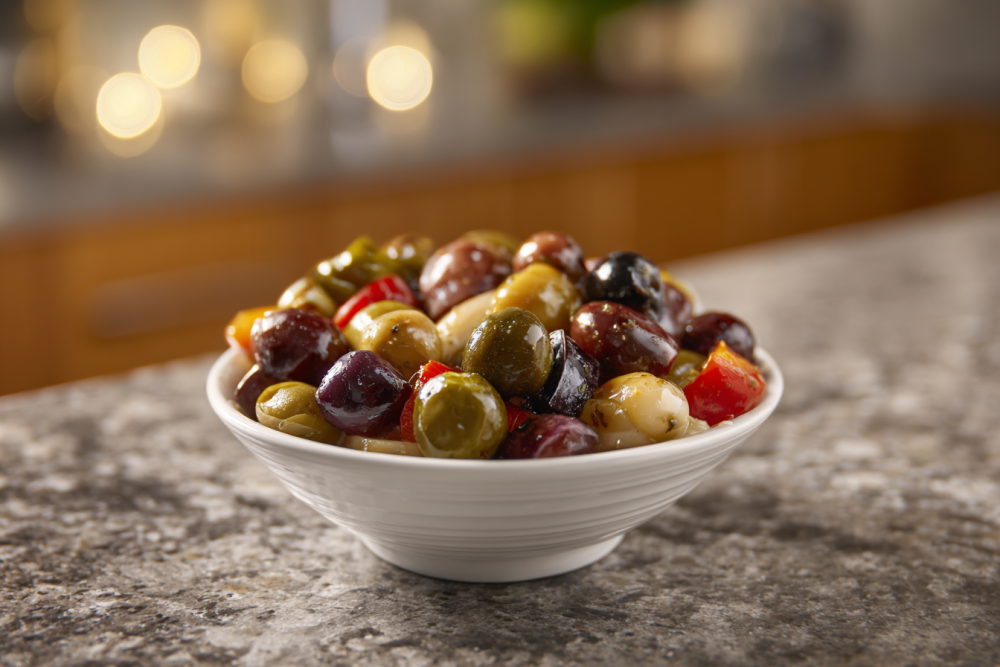
Snacking is definitely allowed! Good Mediterranean-friendly snack options include fresh fruit, a handful of nuts, Greek yogurt, vegetable sticks with hummus, or a small portion of olives. The key is to choose whole, unprocessed options.Do I have to give up all my favorite foods?
Not at all! The Mediterranean diet is about moderation and balance, not strict elimination. You can still enjoy occasional treats or less traditional foods. The idea is to make these the exception, not the rule, and to truly savor them when you do. It’s about shifting your overall eating pattern, not abandoning everything you love.Bringing It All Together: Your Mediterranean Journey Begins
Adopting a Mediterranean way of eating is a journey, not a sprint. It’s about slowly incorporating more whole foods, savoring flavors, and listening to your body. Don’t feel pressured to change everything overnight. Start with a few small swaps, try out some new recipes, and enjoy the process. This beginner Mediterranean diet meal plan is just a springboard. As you become more comfortable, you’ll naturally discover your favorite combinations and seasonal ingredients. Embrace the vibrant colors, the rich aromas, and the simple joy of cooking and eating real food. Your taste buds, and your body, will thank you for it. Remember, this isn’t just about food; it’s about a holistic approach to well-being. So, slow down, enjoy your meals, share them with loved ones, and savor the feeling of nourishing yourself from the inside out. Happy cooking!
Mediterranean Chickpea & Veggie Bowl
A vibrant and easy chickpea and vegetable bowl, perfect for a quick, healthy lunch or light dinner on a Mediterranean diet.
📝 Ingredients
👩🍳 Instructions
-
1In a large mixing bowl, combine the rinsed and drained chickpeas, halved cherry tomatoes, diced cucumber, thinly sliced red onion, halved Kalamata olives, and fresh chopped parsley.
-
2In a small separate bowl, whisk together the extra virgin olive oil, fresh lemon juice, dried oregano, salt, and black pepper until well combined, creating your lemon-herb dressing.
-
3Pour the prepared dressing over the chickpea and vegetable mixture in the large bowl. Toss gently but thoroughly to ensure all ingredients are evenly coated with the dressing.
-
4If desired, gently fold in the crumbled feta cheese before serving. This Mediterranean Chickpea & Veggie Bowl is best served fresh as a standalone meal or a vibrant side dish.
💡 Notes
Feel free to add other fresh vegetables like bell peppers or spinach. For a protein boost, add grilled chicken or baked salmon. Leftovers keep well in the fridge for up to 2 days, though the vegetables may soften slightly.