


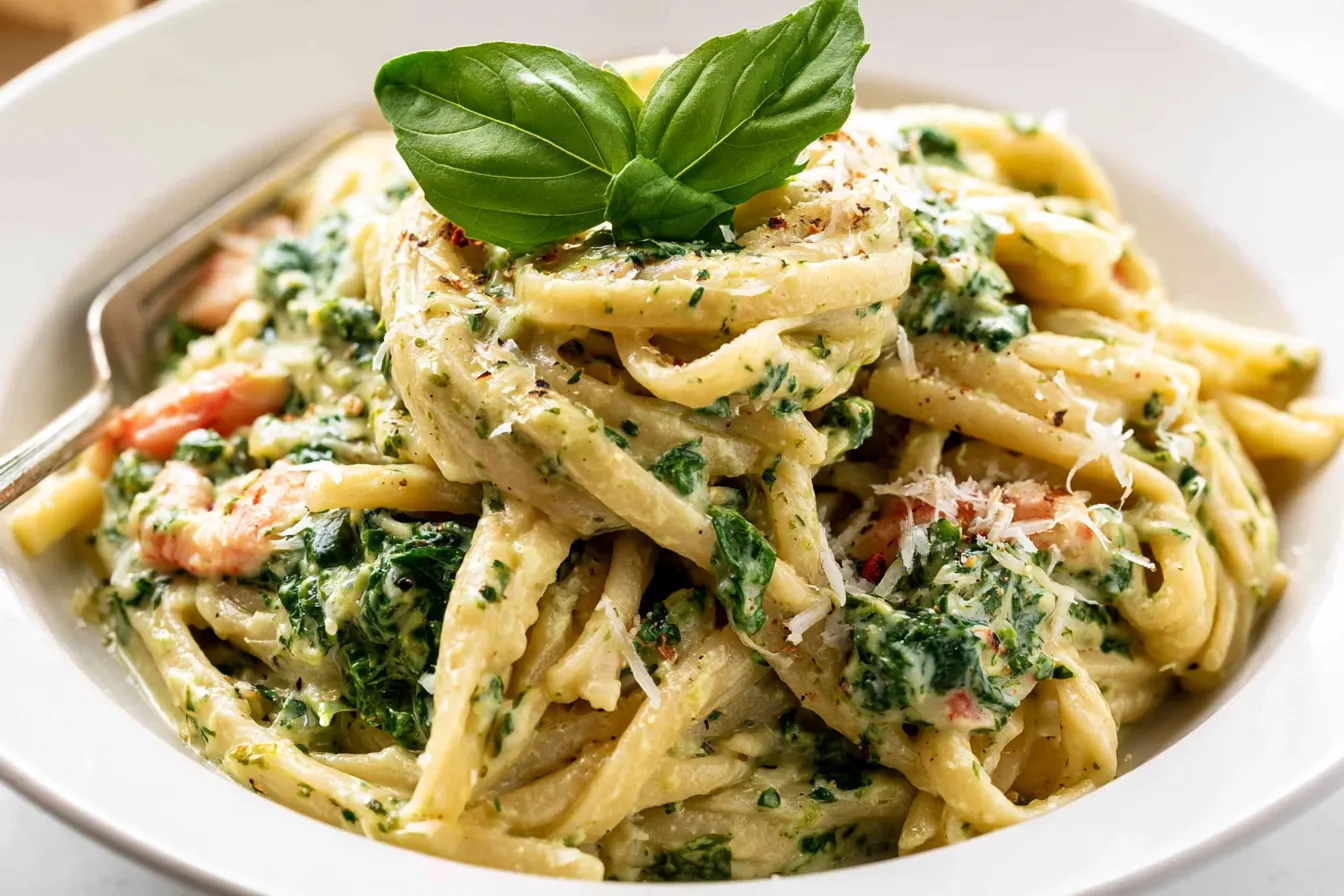
This creamy Tuscan chicken pasta is the kind of dinner that smells like a hug the moment you open the oven—or in this case, the lid of your skillet. The sauce is silky, studded with sun-dried tomatoes, garlicky spinach, and tender chicken, all wrapped around your favorite pasta.
I first made a version of this after a frantic weeknight when the fridge offered little else but a brave handful of spinach and a lonely jar of sun-dried tomatoes. What resulted was richer than the pantry warranted and instantly became a repeat request.

Why this creamy Tuscan chicken pasta works
This recipe balances brightness and richness: lemon and sun-dried tomatoes brighten the heavy cream and Parmesan, while the spinach adds color and earthy depth. It’s built to be forgiving—overcooked pasta? A touch of pasta water rescues things. Under-seasoned sauce? Extra Parmesan and a squeeze of lemon bring it back.
Ingredients
Measure once, taste as you go. The ingredient list below makes about 4 hearty servings and plays nicely with penne or fettuccine.

Main components
- 12 oz (340 g) pasta (penne, rigatoni, or fettuccine)
- 1 lb (450 g) boneless skinless chicken breasts, cut into 1-inch pieces
- 2 tbsp olive oil
- Salt and freshly ground black pepper, to taste
Sauce
- 3 tbsp unsalted butter
- 4 cloves garlic, minced
- 1 small shallot, finely chopped (or 1/4 cup yellow onion)
- 1/2 cup sun-dried tomatoes, chopped (packed in oil) — reserve oil for cooking
- 1 cup chicken broth (low-sodium)
- 1 cup heavy cream
- 3/4 cup freshly grated Parmesan cheese, plus more for serving
- 2 cups fresh baby spinach
- 1 tsp Italian seasoning
- 1/2 tsp red pepper flakes (optional)
- 1 tbsp lemon juice (fresh)
Step-by-step: how to make it
The method below is written so you can cook the dish in one skillet and a pot for the pasta. If you prefer, use two pans and keep the steps the same.

Step 1 — Cook the pasta
Bring a large pot of salted water to a rolling boil. Cook the pasta 1-2 minutes less than the package suggests for al dente. Reserve 1 cup of pasta water, then drain the pasta and set aside.
Note: Slightly undercooking the pasta helps it finish in the sauce and absorb flavor.
Step 2 — Brown the chicken
While the pasta cooks, heat 1 tbsp olive oil and 1 tbsp butter in a large skillet over medium-high heat. Season chicken with salt and pepper. Sear the chicken in batches until golden and just cooked through, about 4–5 minutes per batch. Transfer to a plate and tent loosely with foil to keep warm.
Step 3 — Build the sauce
Lower heat to medium. Add remaining olive oil and butter to the skillet. Sauté shallot until translucent, about 2 minutes, then add garlic and sun-dried tomatoes and cook another minute until fragrant. Pour in chicken broth and deglaze the pan, scraping up any browned bits.
Stir in the heavy cream and bring to a gentle simmer. Add Italian seasoning, red pepper flakes if using, and 1/2 cup of the reserved pasta water to loosen the sauce.
Tip: If the sauce feels too thin, let it reduce a few minutes; if too thick, thin with more pasta water. Parmesan will thicken it further, so add gradually.
Step 4 — Finish with spinach, cheese, and pasta
Stir in grated Parmesan until melted and smooth. Add the spinach and cooked chicken back to the skillet, folding until the leaves wilt and the chicken warms through. Squeeze in lemon juice and taste for seasoning—add salt and pepper as needed.
Fold in the drained pasta, tossing to coat. Add more reserved pasta water as necessary to reach a glossy, clingy sauce that coats each strand or tube.
Step 5 — Serve and garnish
Plate the pasta with an extra grating of Parmesan, a drizzle of the reserved sun-dried tomato oil if you like, and a few turns of black pepper. Fresh basil or flat-leaf parsley brightens the plate at the end.
Ingredient spotlight and smart swaps
Sun-dried tomatoes add chewy, salty pockets that cut through the creaminess. If you only have dry-packed tomatoes, rehydrate them in warm water for 10 minutes and drain well.
Swap heavy cream for a mix of half-and-half + 2 tbsp flour if you want a lighter sauce—whisk the flour into the half-and-half before adding to avoid lumps. For a dairy-free version, use full-fat coconut milk and nutritional yeast but skip the lemon if coconut flavor is dominant.
Common mistakes and how to avoid them
- Over-salting early: Parmesan and sun-dried tomatoes are salty; taste the sauce before adding more salt.
- Letting the sauce separate: Keep the heat moderate. A vigorous boil can separate dairy; gentle simmering keeps it silky.
- Skipping reserved pasta water: That starchy water is the secret to a glossy finish and helps the sauce cling.
- Overcooking chicken: Sear chicken until just cooked; it will finish in the sauce and stay juicy.
Make-ahead, storage, and reheating
This pasta reheats well for 2–3 days in the fridge. Store in an airtight container; the sauce will thicken as it cools.
To reheat: add a splash of water or milk to loosen the sauce and warm gently in a skillet over medium-low heat. Avoid microwaving on high, which can make the sauce grainy.
For freezer plans: freeze the cooked chicken and sauce (without pasta) in a freezer-safe bag for up to 2 months. Thaw overnight and reheat, then toss with freshly cooked pasta.
Variations and flavor twists
- Prosciutto & peas: Swap sun-dried tomatoes for prosciutto and add peas at the end for a sweet-salty contrast.
- Mushroom-forward: Add 8 oz sliced cremini mushrooms when sautéing shallot and garlic for an earthy version.
- Spicy arrabbiata twist: Increase red pepper flakes and add a 1/2 cup crushed tomatoes to the cream for heat and color.
- Seafood swap: Use shrimp instead of chicken—cook 2–3 minutes per side until pink and proceed the same way.
Serving suggestions and pairings
A crisp green salad with lemon vinaigrette cuts through the richness. For wine, try a bone-dry Pinot Grigio or a light Chianti if you want red. Garlic bread or a simple bruschetta will never steer you wrong.
How to scale this recipe
Double the sauce and chicken for a dinner party and keep pasta cooking in batches so the skillet doesn’t overcrowd. If increasing by more than 50%, use a larger pan to ensure even heat and browning.
FAQ
Can I make this recipe with thighs instead of breasts?
Yes—boneless skinless thighs add more flavor and are more forgiving. Brown them slightly longer (5–6 minutes per batch) until they reach 165°F (74°C) internal temperature.
What pasta shape is best for creamy Tuscan chicken pasta?
Tubes like penne or rigatoni catch sauce well, but fettuccine or pappardelle provide a luxurious ribbon that pairs nicely with the thick sauce. Use what you love or have on hand.
Is there a vegetarian version that keeps the same depth?
Absolutely. Replace chicken with roasted cauliflower or sautéed mushrooms and add extra sun-dried tomatoes and white beans for protein. Finish with the same cream and Parmesan—or a plant-based cream alternative.
Why did my sauce become grainy after adding Parmesan?
Graininess can happen if the sauce is too hot when cheese is added or if pre-grated Parmesan contains anti-caking agents. Remove the pan from heat, lower the temperature, and stir in freshly grated Parmesan slowly to keep it silky.
Can I make this one-pot (pasta cooked in the sauce)?
Yes, you can adapt this to a one-pot method by adding the dry pasta directly to the sauce with extra broth and cooking until done, stirring often. Use slightly less cream at first and finish with cheese and reserved water as needed.
Final thoughts
This creamy Tuscan chicken pasta is flexible, forgiving, and exactly what you want on nights when the clock is ticking and comfort is non-negotiable. It hits you with garlic, lemon, and umami in the first bite and keeps you going back for more.
After a couple of tries, you’ll have your favorite tweaks—more lemon, extra spinach, or toasted pine nuts for crunch—and that personal iteration is the best part.

Creamy Tuscan Chicken Pasta
A rich, garlicky one-skillet pasta with sun-dried tomatoes, spinach, and tender chicken in a creamy Parmesan sauce.
🛒 Ingredients
👩🍳 Instructions
Store leftovers in an airtight container for up to 3 days. Reheat gently in a skillet with a splash of water or milk. To make dairy-free, use coconut milk and nutritional yeast; for a lighter sauce, substitute half-and-half and whisk in 2 tbsp flour.