

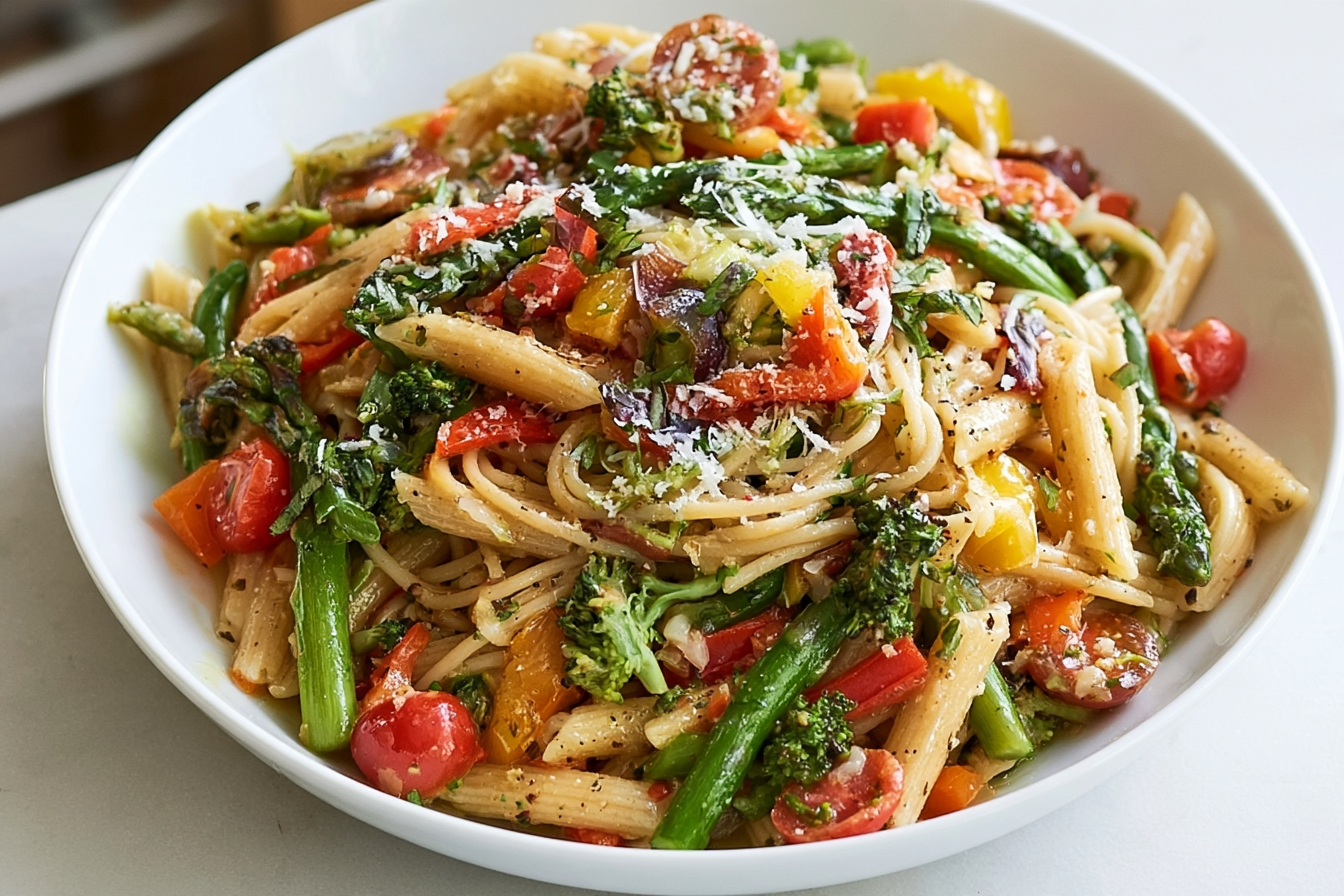
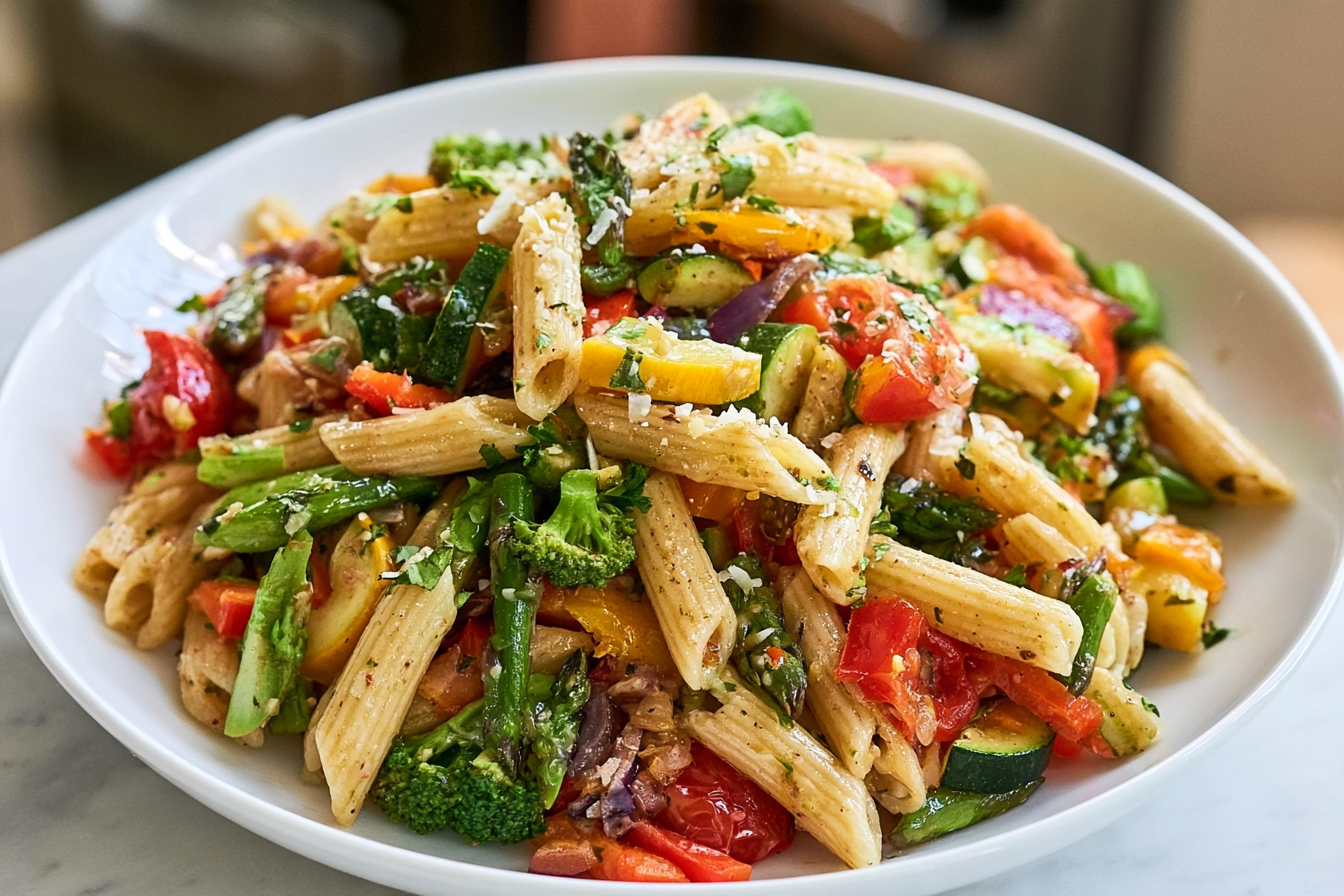
This brown butter pasta primavera is the version I make when I want vegetables to sing and the sauce to taste like something a surprised guest asks for seconds of.
- Why this brown butter pasta primavera works (and the one mistake to avoid)
- Ingredients
- Step-by-step: cook it so the veg stay bright and the butter sings
- Ingredient spotlight & smart swaps
- What makes this version different
- Common mistakes and how to avoid them
- Make-ahead, storage, and reheating
- Serving ideas & pairings
- Variations and flavor twists
- FAQ
- Final thoughts
There’s a tiny trick that changes everything: brown butter. It adds a toasted, almost caramel note that elevates ordinary sautéed vegetables into something that feels deliberate and close to indulgent. The goal is not to smother the produce but to highlight bright, crisp textures against a silky, nutty sauce.
Why this brown butter pasta primavera works (and the one mistake to avoid)
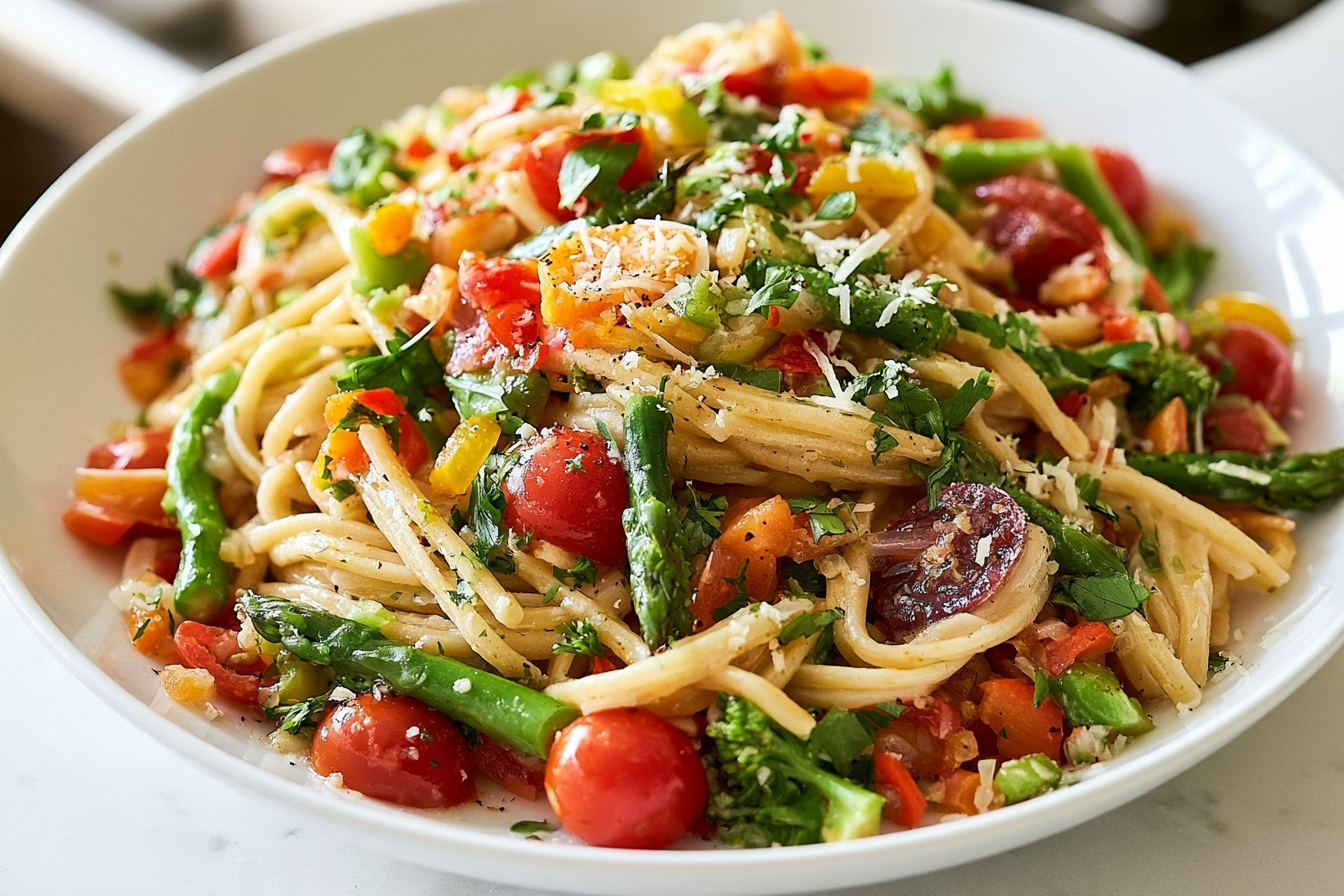
Most pasta primavera recipes ask you to boil everything together or drown the vegetables in cream. I wanted a lighter, brighter dish where each piece of veg keeps its color and snap. That’s where the staggered sauté method comes in — it keeps delicate ingredients from overcooking while letting heartier ones develop a little char.
The single most common mistake? Adding cold pasta or sauce straight from the pan to a plate without an emulsifying splash of pasta water and the warm brown butter. Do that and the sauce separates or feels thin. Do this recipe the right way and the butter clings to the noodles like velvet.
Ingredients
Pasta & finishing
- 12 oz (340 g) linguine or spaghetti (use quality dried pasta)
- 1/2 cup reserved pasta water
- 1/3 cup freshly grated Parmesan (plus extra for serving)
- Zest of 1 lemon and 1–2 tbsp lemon juice
- Salt and freshly ground black pepper
- Pinch of crushed red pepper (optional)
Brown butter & aromatics
- 6 tbsp (85 g) unsalted butter
- 2 garlic cloves, thinly sliced
- 1 small shallot, finely chopped
- 1 tbsp fresh thyme leaves or 1 tsp dried thyme
Vegetables (staggered sauté list)
- 1 cup asparagus, trimmed and cut into 1-inch pieces
- 1 cup snap peas or sugar snaps, strings removed
- 1 medium carrot, cut into thin matchsticks
- 1 small zucchini, halved and sliced into half-moons
- 1 cup cherry tomatoes, halved
- 1/2 cup baby spinach or arugula
Optional add-ins
- 1/4 cup toasted pine nuts or chopped pistachios
- 2 cups cooked, shredded rotisserie chicken for a non-vegetarian version
- Fresh basil leaves for garnish
Step-by-step: cook it so the veg stay bright and the butter sings
1) Prep and boil pasta
Bring a large pot of well-salted water to a rolling boil. Cook the pasta 1–2 minutes shy of package directions so it finishes in the pan. Reserve 1/2 cup of the starchy pasta water before draining.
Note: Slightly undercooking ensures the noodles absorb the brown butter sauce without going mushy.
2) Staggered sauté — start with the firmest veggies
Heat a large sauté pan over medium-high heat and add 1 tablespoon olive oil. Add the carrots and asparagus first, tossing until they pick up a touch of color, about 3–4 minutes. Transfer to a bowl.
Reduce heat slightly and add another drizzle of oil. Add the snap peas and zucchini, sauté 2–3 minutes so they’re tender-crisp. Remove and join the firmer vegetables.
3) Finish delicate items
In the same pan, lower heat to medium and add the cherry tomatoes. Cook just until they begin to soften and release sweet juices, about 1–2 minutes. Toss in the spinach or arugula off-heat so it wilts gently from residual heat.
4) Brown the butter — the secret step
Wipe the pan if there’s too much residual oil. Over medium heat, add the butter. Stir frequently as it melts, foams, then starts to brown with small amber flecks and a nutty aroma. This takes 3–5 minutes depending on your pan. Immediately add the sliced garlic and shallot for just 30–45 seconds; they’ll sizzle and soften in the hot butter but shouldn’t burn.
Tip: Keep a close eye—brown butter moves quickly from perfect to burnt. The smell should be warm and toasty, not acrid.
5) Build the sauce and combine
Lower the heat to medium-low. Add the thyme and the reserved pasta water to the brown butter, stirring to emulsify a glossy sauce. Add lemon zest and juice. Return all the vegetables and the pasta to the pan, tossing to coat thoroughly. If the sauce seems dry, add another tablespoon of pasta water.
Stir in grated Parmesan off the heat so it melts and binds the sauce. Season with salt, pepper, and crushed red pepper if using. Taste and tweak lemon, salt, or cheese as needed.
6) Serve and finish
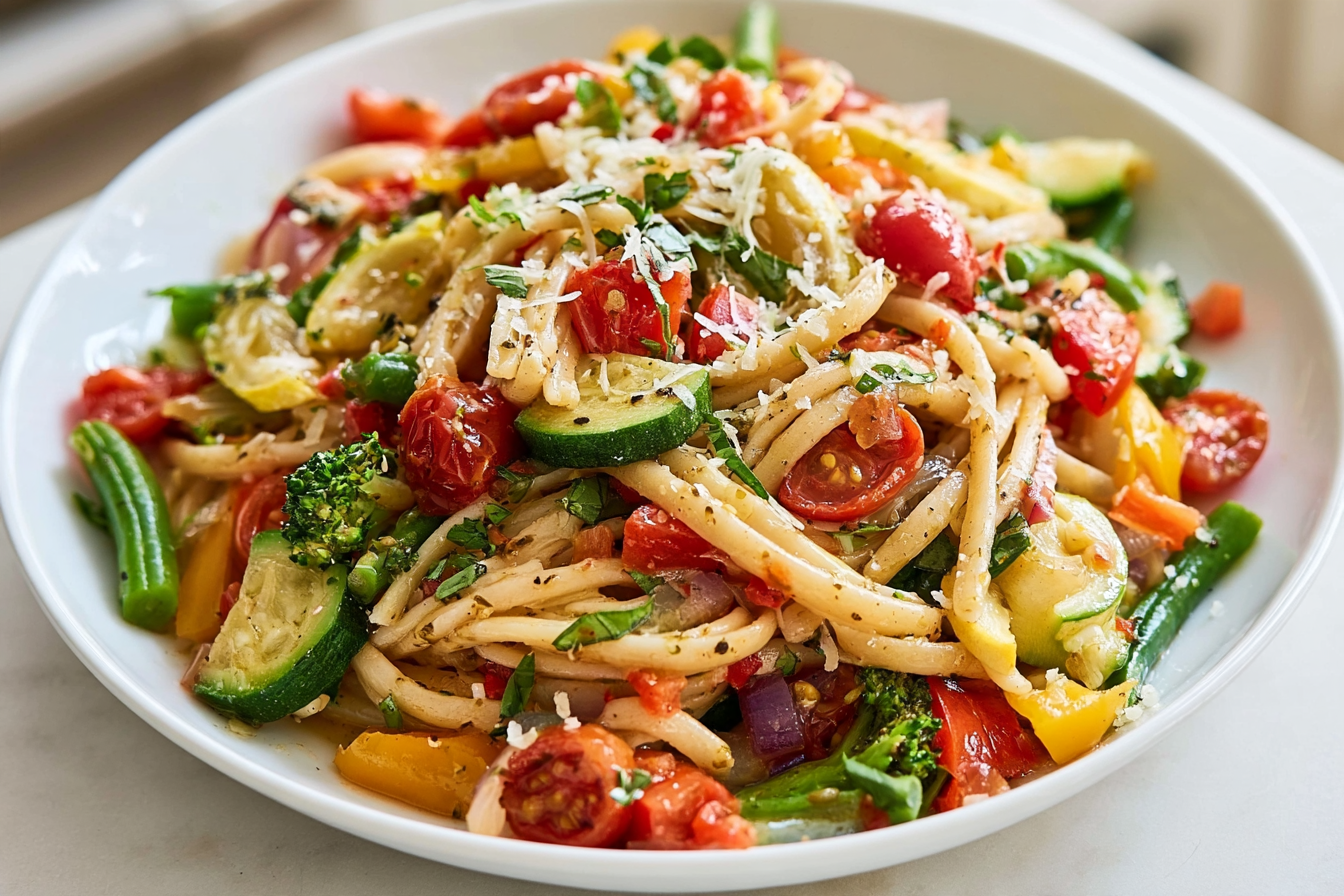
Plate into shallow bowls, sprinkle toasted pine nuts and extra Parmesan. Scatter fresh basil leaves and a final twist of black pepper. The contrast of crunchy nuts, silky butter, bright lemon, and crisp vegetables is what keeps people talking.
Ingredient spotlight & smart swaps
Asparagus and snap peas are the stars for color and crunch, but use what’s seasonal. Broccoli florets, thin-sliced fennel, or bell peppers work beautifully.
For a dairy-free version, swap butter for vegan butter and omit parmesan; add a tablespoon of nutritional yeast for savory depth. For gluten-free needs, use a good-quality gluten-free pasta and ensure your cheese is labeled gluten-free.
What makes this version different
Many primavera recipes rely on olive oil and little else. The brown butter here adds a toasted backbone that plays against the vegetables’ brightness. The staggered sauté prevents limp, colorless veg and keeps the bowl lively.
Also, the lemon is not just a garnish — it wakens the brown butter so the sauce tastes fresh rather than heavy. Little acid goes a long way in balancing the nutty flavors.
Common mistakes and how to avoid them
1) Burning the butter — watch closely and remove from heat as soon as amber bits appear. A small amount of smoke is okay, but bitter means you’ve gone too far.
2) Overcooking vegetables — use the staggered sauté to respect each vegetable’s cook time. This keeps texture and visual appeal.
3) Forgetting to reserve pasta water — without it, the sauce can’t emulsify and cling to pasta. That starchy water is a cheap but essential binder.
4) Adding cold cheese straight to the hot butter — let the pan cool a touch before stirring in Parmesan so it melts into a cohesive coating rather than clumping.
Make-ahead, storage, and reheating
You can prep the vegetables a day ahead: cut and store them in airtight containers. Sautéed vegetables are best added to the dish just before serving, but you can reheat gently in a skillet with a splash of water.
Leftovers keep in the fridge for up to 3 days. Reheat in a skillet with a tablespoon of olive oil and a splash of water or stock, tossing with extra lemon and a pat of butter to revive the sauce. Avoid microwaving — it makes the pasta gummy.
Serving ideas & pairings
This pasta thrives with a crisp white wine like Pinot Grigio or an unoaked Chardonnay. For a casual meal, pair with crusty bread to mop up any buttery sauce. Add a simple green salad with a vinegar-forward dressing to cut the richness.
Variations and flavor twists
- Add roasted cherry tomatoes for a deeper sweetness.
- Stir in 1/2 cup peas and fresh mint in late spring for a bright take.
- For a richer dish, finish with a tablespoon of mascarpone stirred in at the end.
- Swap lemon for white wine (1/4 cup) in the deglaze for a different acidity profile.
FAQ
Can I use frozen vegetables for pasta primavera?
Yes, but thaw and pat them dry, then sauté quickly so they don’t release excess water and dilute the brown butter sauce. Frozen peas and corn can be added last for a sweet pop.
What pasta shapes work best for brown butter pasta primavera?
Long noodles like linguine or spaghetti hold the sauce nicely, but short shapes with nooks — orecchiette, penne, or fusilli — are excellent if you want vegetables tucked into every bite.
How do I know when butter is perfectly brown?
Watch for foaming that subsides, then tiny amber flecks on the surface and a nutty aroma. Remove from heat immediately; carryover heat will continue to brown the butter.
Is this recipe suitable for weeknight cooking?
Absolutely. With a little mise en place — vegetables prepped and pasta water reserved — the active cooking time is about 15 minutes. Brown butter takes just minutes and gives a restaurant-y lift with minimal fuss.
Can I make this vegan?
Yes. Use vegan butter and skip or replace Parmesan with nutritional yeast or a vegan parmesan alternative. Finish with a squeeze of lemon and extra herbs for brightness.
Final thoughts
This brown butter pasta primavera is one of those recipes that feels fussy but comes together fast. The staggered sauté keeps everything lively, and the brown butter gives a surprising depth that turns simple vegetables into something memorable.
Serve it on a bright evening with wine, or pack it for lunch the next day — either way, that warm, nutty aroma will make people ask what your secret was.
Brown Butter Pasta Primavera
A bright, vegetable-packed pasta primavera elevated with nutty brown butter and a staggered sauté for crisp, colorful veg.
🛒 Ingredients
👩🍳 Instructions
Prep vegetables ahead to speed weeknight cooking. Swap vegan butter and nutritional yeast for a vegan version. Store leftovers up to 3 days and reheat gently with a splash of water or a small pat of butter.