



Ever had one of those mornings where you just crave something warm, fluffy, and a little bit fancy, but the thought of a complicated recipe makes you want to crawl back under the covers? Trust me, I’ve been there more times than I care to admit. That’s precisely why this quick and easy scone recipe has become my secret weapon, my go-to for instant breakfast gratification or an impromptu afternoon tea spread.
- What Makes These Scones So Uncomplicated?
- Crafting Your Cloud-Like Scones: Step-by-Step
- Mixing the Dough: A Gentle Touch
- Shaping and Cutting: The Secret to a Great Rise
- Baking to Golden Perfection
- Frequently Asked Questions About 3-Ingredient Scones
- Can I make these scones ahead of time?
- What if I don’t have self-rising flour?
- Can I add flavorings or mix-ins to the dough?
- My scones didn’t rise properly. What went wrong?
- How do I get a really flaky texture?
- Serving Up Your Homemade Scones
- Storage and Reheating Tips
- Beyond the Basic: Scone Variations

What Makes These Scones So Uncomplicated?
You might be wondering, “Only three ingredients? What’s the catch?” The beauty of this particular scone recipe lies in its elegant simplicity. We’re cutting out the usual suspects like eggs and sugar, relying instead on the magic of self-rising flour, heavy cream, and a touch of something special to bind it all together. This minimalist approach not only speeds up the process but also highlights the pure, comforting flavor of the scone itself. It’s a testament to how often the best things in life are also the least complicated.The Power Trio: Just Three Ingredients
Honestly, you probably have these in your pantry and fridge right now. No obscure flours, no specialty extracts – just everyday staples doing extraordinary work.- Self-Rising Flour: This is our superstar. It already has leavening agents (baking powder and salt) mixed in, which means you don’t need to measure them separately. This is a huge time-saver and ensures a consistent rise every time.
- Heavy Cream: The secret to their incredible richness and tenderness. The high fat content in heavy cream produces a scone that’s wonderfully moist and flaky. It also contributes to the golden-brown crust.
- A Dash of Sparkling Water (or milk): This is the less common, but equally brilliant, third element. The carbonation in sparkling water adds an extra lift to the scones, making them exceptionally light and airy. If you don’t have sparkling water, regular milk works just fine, though the texture might be slightly denser.
Why No Added Sugar?
This recipe is intentionally designed without added sugar to keep it versatile. This way, you can enjoy the scones as a savory accompaniment to a meal, or sweeten them up with toppings like jam, honey, or fruit. If you prefer a slightly sweet scone, you can add a tablespoon or two of sugar to the flour, but I encourage you to try them plain first. The natural sweetness of the cream often surprises people!Crafting Your Cloud-Like Scones: Step-by-Step
Making these scones is less about precision and more about gentle handling. The key to light scones is not to overwork the dough. Think of it as a delicate dance rather than a wrestling match.Mixing the Dough: A Gentle Touch
You’ll want a large mixing bowl for this. First, measure out your self-rising flour. Make sure it’s fresh for the best rise. 1. Combine Flour and Cream: Pour the self-rising flour into your bowl. Gradually add the heavy cream, stirring with a butter knife or your fingertips until the mixture just starts to come together. It will look shaggy and crumbly – that’s exactly what you want. Don’t knead it yet! 2. Introduce the Sparkling Water: Now, slowly drizzle in the sparkling water (or milk) a little at a time. Continue to mix gently until a soft, sticky dough forms. Be careful not to add too much liquid; you want it just moist enough to hold together.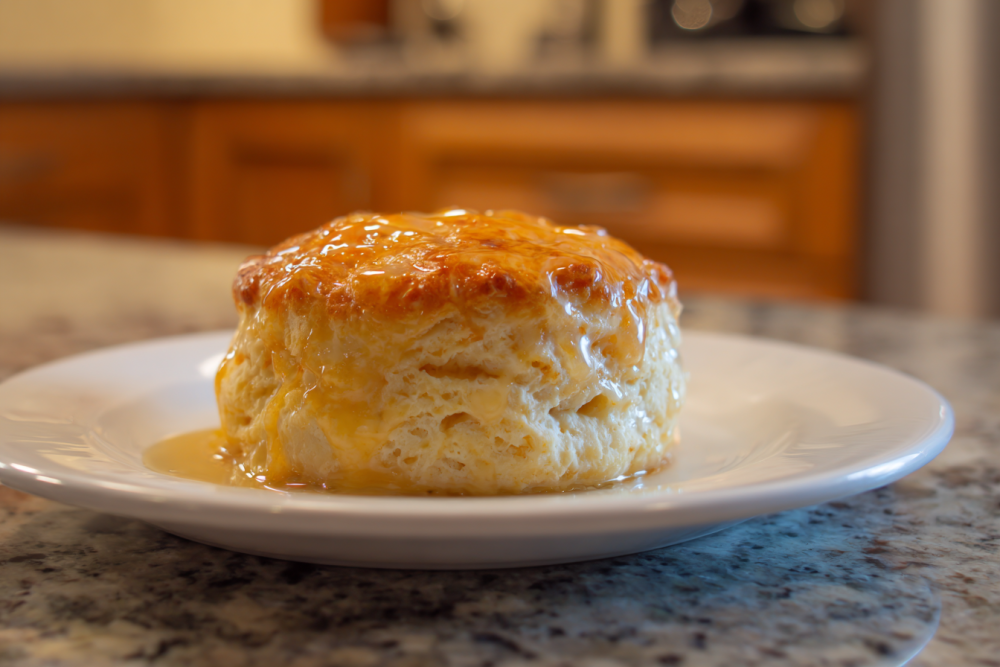
Shaping and Cutting: The Secret to a Great Rise
Flour a clean work surface lightly. Turn the dough out onto it. 3. Lightly Bring Together: Gently pat the dough into a rough ball. Avoid heavy kneading. Just bring it together until it’s cohesive. 4. Pat into a Disc: With floured hands, gently pat the dough into a thick disc, about 1 to 1.5 inches (2.5-3.8 cm) thick. Don’t roll it too thin, or your scones won’t be as tall and fluffy. 5. Cut Your Scones: Using a floured 2-inch (5 cm) round cutter (or even a sharp knife for squares/wedges), cut out your scones. Dip the cutter in flour between each cut to prevent sticking. Place the cut scones onto a baking sheet lined with parchment paper, leaving a little space between each. Tip: For the best rise, try not to twist your cutter when you press down. Press straight down and lift straight up. This keeps the edges clean and helps the scones rise evenly.
Baking to Golden Perfection
Preheat your oven to 400°F (200°C) with a rack in the middle position. 6. Optional Egg Wash (or cream wash): For a lovely golden-brown top, you can brush the tops of the scones with a little milk or cream. This step is optional but highly recommended for that classic bakery look. 7. Bake: Bake for 12-15 minutes, or until the scones are beautifully golden-brown on top and cooked through. They should sound hollow when tapped on the bottom. 8. Cool and Serve: Let them cool slightly on a wire rack before serving. Scones are always best enjoyed warm, fresh from the oven.Frequently Asked Questions About 3-Ingredient Scones
I get a lot of questions about making scones, especially when a recipe seems almost too simple to be true! Here are some common queries I’ve encountered.Can I make these scones ahead of time?
You absolutely can! While scones are best enjoyed fresh, you have a couple of options for making them ahead. You can prepare the dough, cut the scones, and then freeze them on a baking sheet until solid. Once frozen, transfer them to a freezer bag and bake from frozen, adding a few extra minutes to the baking time. Alternatively, you can bake them, let them cool completely, and then store them in an airtight container for up to 2 days. Reheat gently in the oven or microwave before serving.What if I don’t have self-rising flour?
No problem at all! You can easily make your own self-rising flour. For every cup of all-purpose flour, whisk in 1 ½ teaspoons of baking powder and ¼ teaspoon of fine salt. It’s a simple substitution that works perfectly in this quick and easy scone recipe.Can I add flavorings or mix-ins to the dough?
Yes, and this is where you can really get creative! Feel free to gently fold in additions like ½ cup of dried fruit (currants, raisins, chopped apricots), a handful of chocolate chips, or a teaspoon of lemon zest. Just be careful not to overmix, as too many additions can make the dough tough. Keep the additions to about ½ cup to maintain the scone’s delicate texture.My scones didn’t rise properly. What went wrong?
The most common reasons for scones not rising are overworking the dough or using old self-rising flour. Overworking develops the gluten, making the scones tough and dense instead of light and fluffy. Always mix just until combined. Also, check the expiration date on your self-rising flour; the leavening agents lose their potency over time. Ensure your oven is fully preheated too, as a hot oven helps the scones rise quickly.How do I get a really flaky texture?
The key to a flaky texture often comes down to the fat content and how you handle the dough. Using heavy cream (at least 36% milk fat) is crucial here. Also, when mixing, aim to keep some small pockets of cream unmixed into the flour – these will create steam during baking, leading to lovely flaky layers. Again, avoid overmixing!Serving Up Your Homemade Scones
Once these golden beauties emerge from the oven, the real fun begins. Scones are incredibly versatile and pair beautifully with a variety of toppings and beverages. For a classic British afternoon tea experience, nothing beats a dollop of clotted cream and a spoonful of your favorite fruit jam – strawberry, raspberry, or apricot are all fantastic choices. If you’re keeping things simple, a generous smear of good quality butter is all you need. For a slightly sweeter touch, a drizzle of honey or maple syrup is delightful. I also love them with a side of fresh berries or a little lemon curd for a tangy kick. And of course, no scone experience is complete without a steaming cup of tea or a robust coffee. These 3-ingredient scones are perfect for any time you crave a comforting, homemade treat.Storage and Reheating Tips
While scones are undeniably best enjoyed fresh, you can certainly keep them for a day or two. Store cooled scones in an airtight container at room temperature. To refresh them, a quick 5-10 minutes in a preheated 300°F (150°C) oven will bring back some of their warmth and tenderness. A word of caution: reheating in the microwave can sometimes make them a bit chewy, so the oven is usually the preferred method.Beyond the Basic: Scone Variations
Though this 3-ingredient scone recipe champions simplicity, it’s also a fantastic base for experimentation. Want to add a touch of warmth? A pinch of cinnamon or mixed spice can be folded into the flour. For a savory twist, try adding some grated cheddar cheese and a sprinkle of chives – perfect for serving with soup or alongside a hearty stew. The beauty of such a fundamental recipe is its adaptability; once you’ve mastered the basic technique, you’re free to explore a world of flavor combinations.
Quick and Easy 3-Ingredient Scones
Whip up wonderfully light and fluffy scones with just 3 ingredients for a stress-free breakfast or afternoon tea.
📝 Ingredients
👩🍳 Instructions
-
1Preheat your oven to 400°F (200°C). Line a baking sheet with parchment paper.
-
2In a large bowl, combine the self-rising flour and heavy cream. Use a butter knife or your fingertips to gently mix until the mixture resembles coarse crumbs and is just beginning to come together.
-
3Gradually add the sparkling water (or milk), 1 tablespoon at a time, mixing gently until a soft, slightly sticky dough forms. Be careful not to overmix; the less you handle it, the lighter your scones will be.
-
4Turn the dough out onto a lightly floured surface. Gently pat the dough into a disc about 1 to 1.5 inches (2.5-3.8 cm) thick. Do not knead.
-
5Using a floured 2-inch (5 cm) round cutter, cut out scones. Press straight down and lift up without twisting for the best rise. Re-roll scraps gently and cut additional scones.
-
6Place the cut scones on the prepared baking sheet, leaving a little space between them.
-
7Bake for 12-15 minutes, or until the tops are golden brown and the scones are cooked through. They should sound hollow when tapped on the bottom.
-
8Transfer the scones to a wire rack to cool slightly before serving warm with your favorite toppings.
💡 Notes
For a sweeter scone, you can add 1-2 tablespoons of granulated sugar to the self-rising flour. For a shiny, golden crust, brush the tops of the scones with a little milk or cream before baking. Store leftover scones in an airtight container at room temperature for up to 2 days; reheat gently in the oven.