
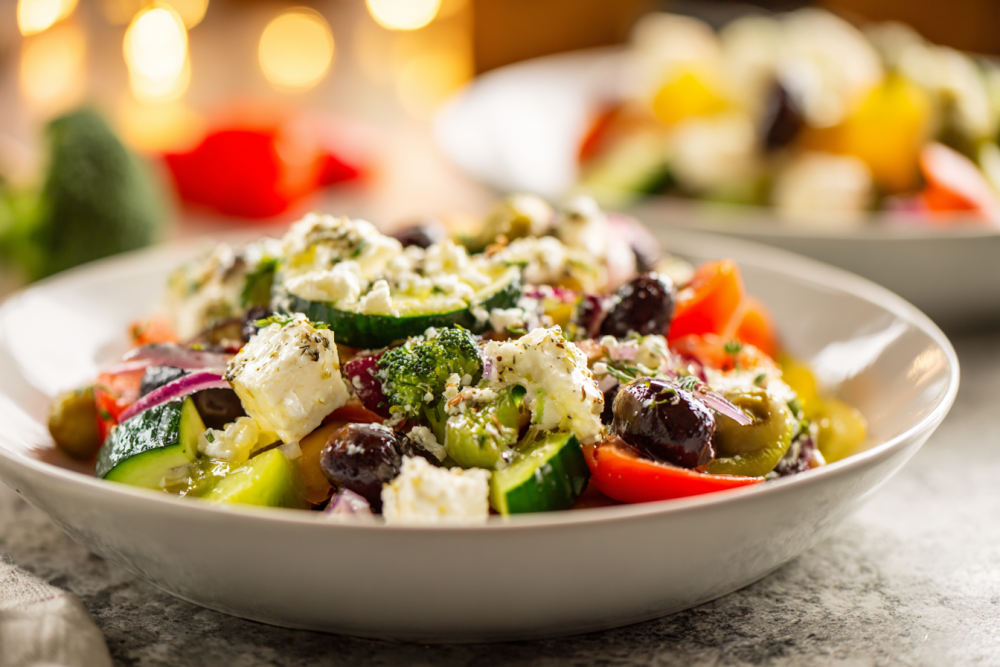
I still remember the first time I truly “got” the Mediterranean diet. It wasn’t some grand epiphany or a doctor’s urgent recommendation; it was a simple, sun-drenched evening in a small Greek taverna. The air was thick with the scent of grilling fish, fresh herbs, and olive oil, and the table was laden with vibrant salads, crusty bread, and small plates of olives and cheese. Everything felt so incredibly fresh, so light yet satisfying, and utterly bursting with flavor. That evening, I realized healthy eating didn’t have to be bland or restrictive; it could be a joyful, rich experience. That’s the feeling I want to bring to you with this 90-Day Mediterranean Diet Meal Plan for Beginners, a comprehensive guide to kickstart your journey.
- Why the Mediterranean Way of Eating is a Game Changer
- Your 90-Day Mediterranean Diet Meal Plan Blueprint
- Meal Planning Made Simple: A Weekly Structure
- Mastering Mediterranean Cooking: Essential Ingredients
- A Sample Mediterranean Recipe for Your Journey: Lemon-Herb Baked Cod
- Frequently Asked Questions About the Mediterranean Diet
- Do I have to give up coffee on the Mediterranean diet?
- Is pasta allowed? I thought “diet” meant no pasta!
- What about snacks? Can I still have them?
- How much olive oil should I use?
- Can I still eat out on this plan?
- Making It Sustainable: Tips for Long-Term Success
For years, I’d associated “diet” with deprivation, thinking I had to meticulously count every calorie and sacrifice deliciousness. But the Mediterranean way of eating flips that narrative on its head. It’s not about what you can’t have; it’s about embracing an abundance of wholesome, vibrant foods that naturally nourish your body.
This isn’t just about weight loss, though that’s often a welcome side effect. It’s about building sustainable, heart-healthy habits that enhance your overall well-being. Think clearer skin, more energy, better digestion, and a profound sense of satisfaction after every meal. Ready to dive into a world where pasta is welcome, olive oil is celebrated, and flavor reigns supreme?
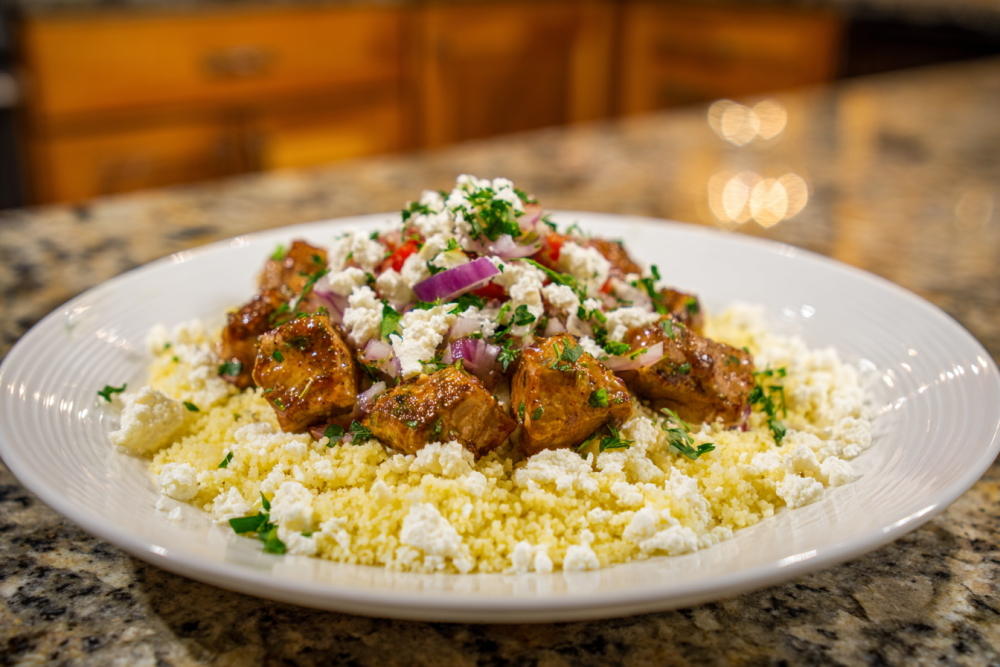
Why the Mediterranean Way of Eating is a Game Changer
Before we jump into the delicious details, let’s chat for a moment about *why* this eating style has garnered such widespread praise from nutritionists, doctors, and food lovers alike. It’s more than just a diet; it’s a lifestyle rooted in centuries of tradition from countries bordering the Mediterranean Sea.
A Foundation of Fresh, Whole Foods
At its core, the Mediterranean diet emphasizes plant-based foods: fruits, vegetables, whole grains, legumes, nuts, and seeds. These are your daily staples, providing a wealth of fiber, vitamins, minerals, and antioxidants. Healthy fats, primarily from olive oil, are also central, replacing less desirable saturated and trans fats.
Beyond the plate, this approach encourages mindful eating, sharing meals with loved ones, and embracing physical activity. It’s a holistic view of health that extends far beyond calorie counting.
Unpacking the Health Benefits: More Than Just a Trendy Diet
The science is overwhelmingly clear: adopting a Mediterranean eating pattern offers a remarkable array of health advantages. It’s consistently ranked as one of the healthiest dietary patterns globally, and for good reason. From protecting your heart to boosting brain power, the benefits are truly transformative.
- Heart Health Hero: This is arguably the most well-known benefit. The emphasis on healthy fats (monounsaturated from olive oil, omega-3s from fish), fiber, and antioxidants helps lower bad cholesterol (LDL), reduce blood pressure, and decrease the risk of heart disease and stroke. It’s like giving your ticker a daily spa treatment!
- Weight Management Naturally: While not a strict “diet” for weight loss, the abundance of fiber-rich foods keeps you feeling full and satisfied, reducing the likelihood of overeating. Plus, cutting back on processed foods and sugary drinks naturally helps shed excess pounds without feeling deprived.
- Brain Power Boost: The healthy fats, antioxidants, and anti-inflammatory compounds found in Mediterranean foods are fantastic for brain health. Studies suggest it can help protect against cognitive decline and reduce the risk of neurodegenerative diseases.
- Blood Sugar Balance: The high fiber content and focus on complex carbohydrates help stabilize blood sugar levels, making it an excellent choice for preventing and managing type 2 diabetes.
- Inflammation Reduction: Chronic inflammation is at the root of many diseases. The anti-inflammatory properties of olive oil, colorful produce, and fatty fish can significantly reduce inflammation throughout the body.
- Gut Health Support: All that fiber from fruits, vegetables, and whole grains acts as a prebiotic, feeding the beneficial bacteria in your gut. A happy gut means better digestion, improved immunity, and even enhanced mood.
It’s clear that transitioning to this way of eating isn’t just a short-term fix; it’s an investment in your long-term health and vitality. This 90-day plan is designed to help you integrate these changes seamlessly into your life.
Your 90-Day Mediterranean Diet Meal Plan Blueprint
This isn’t a rigid, day-by-day menu you *must* follow to the letter. Instead, think of it as a flexible framework, a toolbox of delicious ideas and principles to guide you. The goal is to gradually shift your eating habits, discover new favorite recipes, and build confidence in cooking Mediterranean-inspired meals.
Core Principles to Embrace
- Daily Veggies & Fruits: Aim for a rainbow of colors. Fill half your plate with produce at most meals.
- Whole Grains Reign: Choose whole wheat bread, pasta, brown rice, quinoa, and oats over refined alternatives.
- Healthy Fats are Your Friends: Extra virgin olive oil is king! Incorporate nuts, seeds, and avocados daily.
- Legumes & Beans: Lentils, chickpeas, and beans are fantastic sources of protein and fiber.
- Fish & Seafood (Often): Aim for at least two servings of fatty fish (salmon, mackerel, sardines) per week.
- Poultry (Moderate): Enjoy chicken and turkey in moderation, a few times a week.
- Dairy (Moderate): Opt for plain Greek yogurt, feta, or goat cheese in smaller portions.
- Red Meat (Sparingly): Treat red meat as an occasional indulgence, perhaps once or twice a month.
- Sweets & Processed Foods (Rarely): Save desserts for special occasions and minimize packaged snacks.
- Water, Water, Water: Stay hydrated with plenty of water throughout the day.
- Red Wine (Optional & Moderate): If you drink alcohol, a glass of red wine with meals can be part of the tradition, but it’s entirely optional.
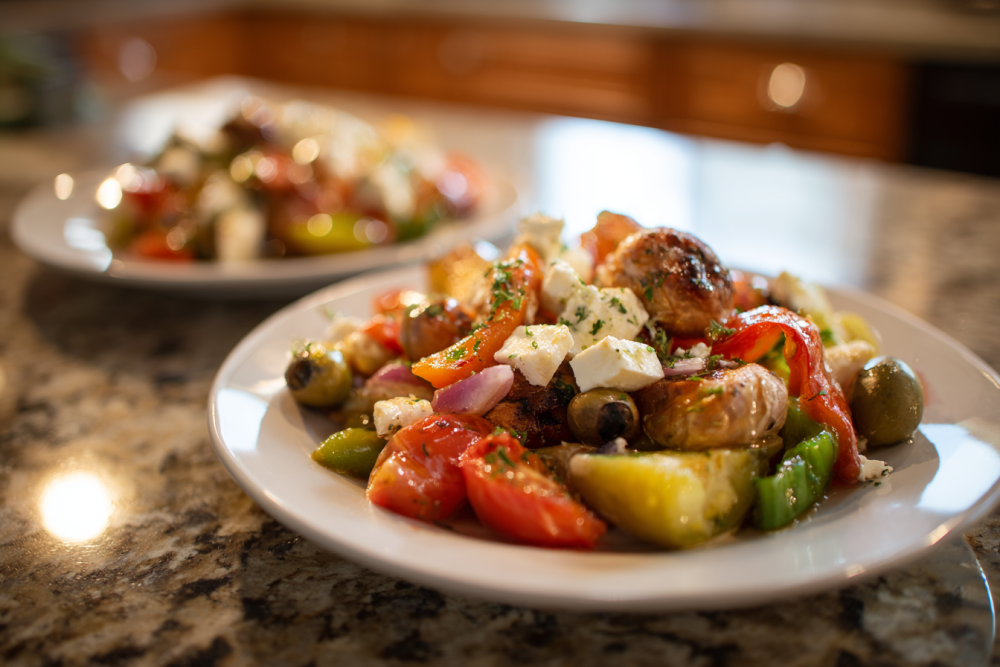
Meal Planning Made Simple: A Weekly Structure
Instead of a rigid daily schedule, here’s a flexible weekly template that you can adapt to your tastes and schedule. This helps you understand the *proportions* and *types* of food to aim for.
Breakfast Ideas (Daily)
Start your day with satisfying, fiber-rich options.
- Oatmeal topped with berries, nuts, and a drizzle of honey.
- Greek yogurt with fresh fruit and a sprinkle of seeds.
- Whole-wheat toast with avocado and a poached egg.
- Smoothie made with spinach, banana, berries, and plant-based milk.
- Scrambled eggs with sautéed vegetables and a small piece of whole-grain bread.
Lunch Ideas (Daily)
Keep lunches light, fresh, and packed with veggies.
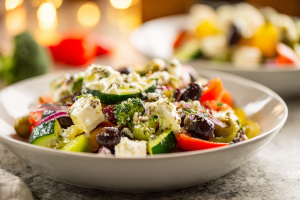
- Large mixed green salad with chickpeas, cucumber, tomatoes, olives, feta, and olive oil vinaigrette.
- Leftover dinner from the night before (always a win!).
- Whole-wheat pita stuffed with hummus, grilled vegetables, and a slice of turkey breast.
- Lentil soup with a side of crusty whole-grain bread.
- Tuna salad (made with olive oil instead of mayo) on whole-wheat crackers with sliced bell peppers.
Dinner Ideas (Focus on Variety)
This is where you’ll rotate your main protein sources throughout the week.
- 2-3 Fish/Seafood Nights: Baked salmon with roasted asparagus, grilled shrimp skewers, cod stew.
- 2 Meatless Nights: Lentil bolognese with whole-wheat pasta, chickpea and vegetable curry, loaded sweet potatoes with black beans and salsa.
- 1-2 Poultry Nights: Grilled chicken breast with a large Greek salad, turkey meatballs in marinara sauce.
- 1 Occasional Red Meat Night (Optional): Lean steak with a hearty portion of roasted vegetables.
Snacks (As Needed)
Choose whole foods to bridge the gap between meals.
- A handful of almonds or walnuts.
- An apple or orange.
- Veggies sticks (carrots, celery, bell peppers) with hummus.
- A small container of plain Greek yogurt.
Mastering Mediterranean Cooking: Essential Ingredients
To truly embrace the Mediterranean way, you’ll want to stock your pantry and fridge with key ingredients. Think of these as your flavor building blocks.
Pantry Staples
- Extra Virgin Olive Oil: Your most important ally! Use it for cooking, dressing, and finishing dishes.
- Whole Grains: Whole wheat pasta, brown rice, quinoa, farro, oats, whole wheat flour.
- Legumes: Canned chickpeas, lentils (dried or canned), cannellini beans, kidney beans.
- Canned Tomatoes: Diced, crushed, and paste – essential for sauces and stews.
- Vinegars: Red wine vinegar, balsamic vinegar.
- Herbs & Spices: Dried oregano, basil, thyme, rosemary, paprika, cumin, red pepper flakes.
- Nuts & Seeds: Almonds, walnuts, pine nuts, sesame seeds, flax seeds.
- Garlic & Onions: The aromatic foundation of countless dishes.
Fresh Fridge & Freezer Finds
- Abundant Produce: A wide variety of seasonal fruits and vegetables – think spinach, kale, bell peppers, zucchini, eggplant, tomatoes, cucumbers, berries, citrus.
- Lean Proteins: Fresh fish (salmon, cod, sardines, shrimp), chicken breast/thighs, eggs.
- Dairy & Alternatives: Plain Greek yogurt, feta cheese, goat cheese, plant-based milks if preferred.
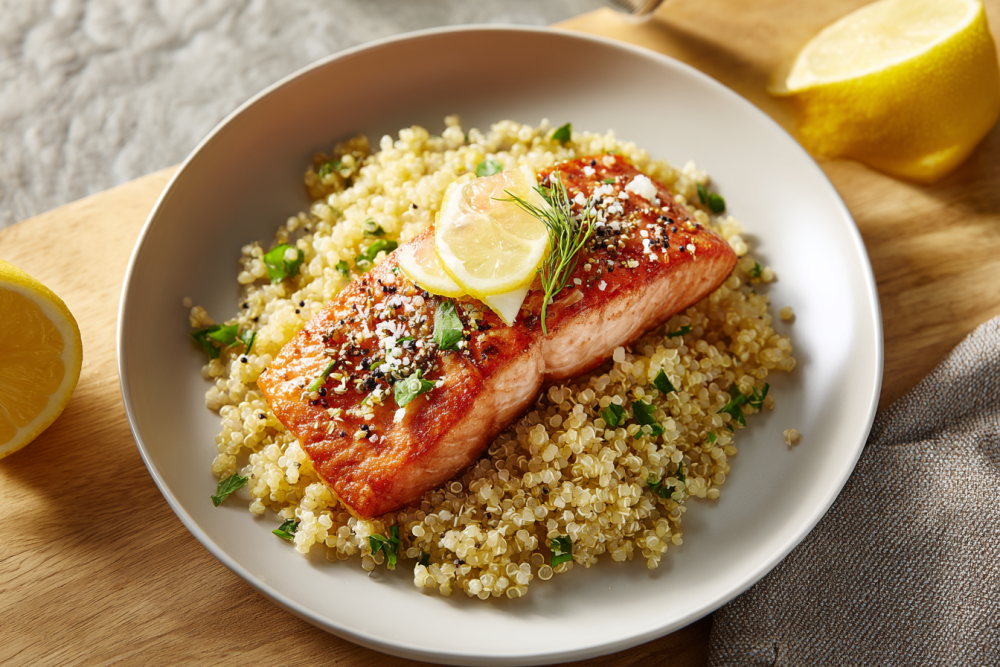
A Sample Mediterranean Recipe for Your Journey: Lemon-Herb Baked Cod
To give you a taste of the deliciousness, here’s a simple, quick, and incredibly flavorful recipe that embodies the Mediterranean spirit. It’s heart-healthy, packed with protein, and comes together with minimal fuss.
What You’ll Need for Lemon-Herb Baked Cod
Gathering your ingredients first always makes cooking smoother!
- Fresh Cod Fillets: About 1.5 lbs, 4 pieces (or any firm white fish like halibut or snapper).
- Lemon: 1 large, organic if possible, for juice and slices.
- Extra Virgin Olive Oil: 3 tablespoons.
- Fresh Parsley: 1/4 cup, chopped.
- Fresh Dill: 2 tablespoons, chopped.
- Garlic: 2 cloves, minced.
- Dried Oregano: 1 teaspoon.
- Salt & Black Pepper: To taste.
- Cherry Tomatoes: 1 cup, halved (optional, but adds color and sweetness).
- Kalamata Olives: 1/4 cup, pitted and halved (optional, for a briny kick).
Getting This Delicious Fish On Your Table
This recipe is perfect for a weeknight when you want something healthy without spending hours in the kitchen.
Prepping Your Oven and Fish
First, get your oven ready. Preheat it to 400°F (200°C). Line a baking sheet with parchment paper for easy cleanup. Pat your cod fillets dry with paper towels. This helps them get a nice sear and prevents steaming.
Tip: Don’t skip patting the fish dry! Excess moisture can prevent browning and dilute flavors.
Assembling the Flavorful Marinade
In a small bowl, whisk together the olive oil, lemon juice (from about half the lemon), minced garlic, fresh parsley, fresh dill, and dried oregano. Season generously with salt and black pepper. This vibrant mixture is where all the Mediterranean magic happens!
Baking to Perfection
Place the cod fillets on the prepared baking sheet. Spoon about half of the herb-lemon mixture evenly over the fish. Scatter the halved cherry tomatoes and Kalamata olives around the fillets, if using. Slice the remaining half of the lemon into thin rounds and arrange them over and around the fish.
Bake for 12-15 minutes, or until the fish is opaque and flakes easily with a fork. Cooking time will vary slightly depending on the thickness of your fillets. Once done, let it rest for a minute or two.
Serving Up Your Creation
Carefully transfer the baked cod to serving plates. Drizzle any pan juices over the fish. This dish pairs beautifully with a side of quinoa, brown rice, or a simple green salad. Enjoy the fresh, zesty flavors!
Frequently Asked Questions About the Mediterranean Diet
Embarking on a new eating journey often comes with questions. Here are some common ones I hear, with straightforward answers.
Do I have to give up coffee on the Mediterranean diet?
Absolutely not! Coffee, in moderation, is perfectly fine and often enjoyed in Mediterranean cultures. Just try to limit added sugars and excessive cream. Black coffee or with a splash of milk or milk alternative is ideal.
Is pasta allowed? I thought “diet” meant no pasta!
Yes, pasta is definitely allowed! The key is choosing whole-wheat pasta and focusing on portion control. Pair it with vegetable-rich sauces, lean proteins like fish or chicken, and healthy fats from olive oil, rather than creamy, heavy sauces. It’s all about balance.
What about snacks? Can I still have them?
Snacks are fine if you’re genuinely hungry between meals. The Mediterranean approach encourages whole-food snacks like fruits, a handful of nuts, vegetable sticks with hummus, or plain Greek yogurt. Avoid highly processed, sugary, or fried snack foods.
How much olive oil should I use?
Extra virgin olive oil is a cornerstone of the Mediterranean diet, but it’s still calorie-dense. Use it generously, but mindfully. Think drizzles over salads, a tablespoon or two for sautéing, and finishing dishes. It’s about replacing less healthy fats, not adding endless amounts to everything.
Can I still eat out on this plan?
Yes, eating out is definitely possible! Look for grilled fish or chicken, large salads with vinaigrette (ask for dressing on the side), vegetable-based dishes, and whole-grain options where available. Don’t be afraid to ask for modifications, like swapping fries for a side salad or steamed vegetables.
Making It Sustainable: Tips for Long-Term Success
The beauty of the Mediterranean diet is its emphasis on enjoyment and sustainability. This isn’t a quick fix; it’s a lifelong approach to eating well. Here’s how to make it stick beyond the 90 days.
Embrace Meal Prep (Even a Little!)
Dedicate an hour or two on a Sunday to wash and chop vegetables, cook a batch of quinoa or brown rice, and perhaps grill some chicken or roast some vegetables. Having these components ready to go makes throwing together healthy meals during the week a breeze.
Shop Smart: The Perimeter is Your Friend
When grocery shopping, focus most of your cart on the perimeter of the store – that’s where you’ll find fresh produce, lean proteins, and dairy. Venture into the center aisles for pantry staples like whole grains, legumes, and olive oil, but be wary of processed foods.
Flavor is Key: Don’t Be Afraid of Herbs and Spices
Mediterranean cuisine is renowned for its incredible flavors, and herbs and spices play a huge role. Experiment with fresh basil, oregano, rosemary, thyme, dill, and dried spices like cumin, paprika, and coriander. They add so much depth without extra calories or unhealthy fats.
Listen to Your Body
Pay attention to hunger and fullness cues. Eat when you’re hungry, and stop when you’re comfortably full, not stuffed. This mindful approach is just as important as the food choices themselves.
Move Your Body
Remember, the Mediterranean lifestyle isn’t just about food. Regular physical activity, even just daily walks, contributes significantly to your overall health and enjoyment of life. It’s about more than just calories; it’s about vitality.
This 90-day plan is your invitation to explore a delicious, healthful way of eating that feels nourishing, not restrictive. Take it one day, one meal, one new ingredient at a time. You’ll soon discover a world of flavors that will keep you coming back for more, long after the 90 days are up. Here’s to a healthier, happier you!
Lemon-Herb Baked Cod with Tomatoes & Olives
A quick, heart-healthy baked cod recipe bursting with Mediterranean flavors from fresh herbs, lemon, tomatoes, and olives.
📝 Ingredients
👩🍳 Instructions
-
1Preheat your oven to 400°F (200°C). Line a baking sheet with parchment paper.
-
2Gently pat the cod fillets dry with paper towels. Set aside.
-
3In a small bowl, whisk together the olive oil, lemon juice, minced garlic, chopped fresh parsley, chopped fresh dill, and dried oregano. Season with salt and black pepper to taste.
-
4Place the cod fillets on the prepared baking sheet. Spoon about half of the herb-lemon mixture evenly over the fish.
-
5If using, scatter the halved cherry tomatoes and Kalamata olives around the fillets. Arrange the thin lemon slices over and around the fish.
-
6Bake for 12-15 minutes, or until the fish is opaque and flakes easily with a fork. Cooking time may vary slightly based on fillet thickness.
-
7Carefully transfer the baked cod to serving plates. Drizzle any accumulated pan juices over the fish before serving. Serve immediately with your favorite whole grain or salad.
💡 Notes
Feel free to use any firm white fish in place of cod, such as halibut, snapper, or sea bass. For an added layer of flavor, a sprinkle of red pepper flakes can be added to the herb mixture. Leftovers can be stored in an airtight container in the refrigerator for up to 2 days, though fresh fish is always best consumed immediately.