

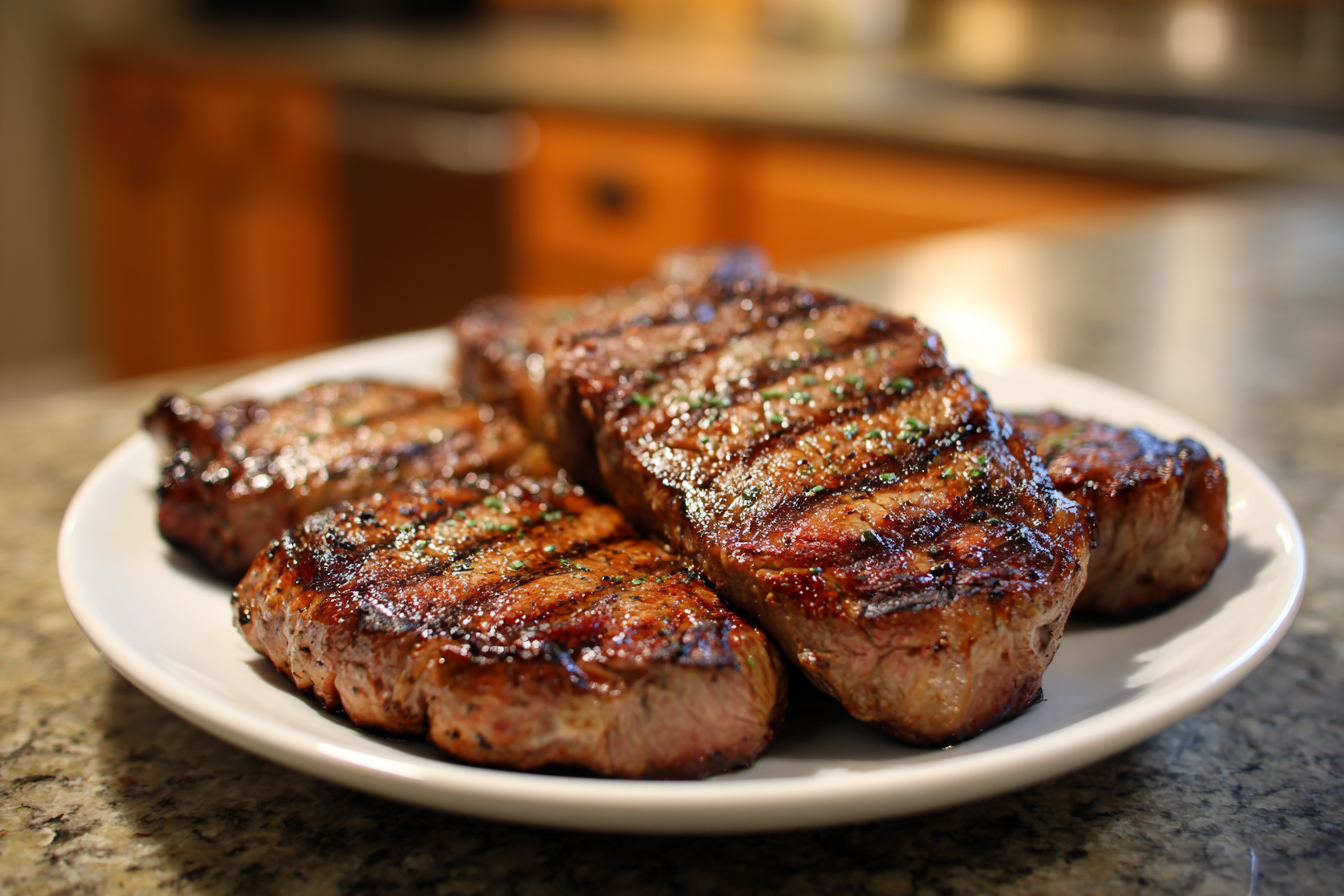
I think we’ve all been there: you gather all your courage, fire up the grill, buy a beautiful cut of meat, and then… it comes out dry, unevenly cooked, or somehow lacking that incredible flavor you were dreaming of. It’s frustrating, right? For years, my quest for the perfect grilled steaks on a plate felt like a culinary Everest. There were plenty of good steaks, sure, but that truly *perfect*, restaurant-quality experience? That elusive combination of a beautiful crust, incredibly tender interior, and bursting with beefy goodness seemed out of reach.
- The Essential Gear for Steak Success
- Choosing Your Cut: The Foundation of Flavor
- Ribeye: The Marbling Marvel
- New York Strip: The Best of Both Worlds
- T-Bone and Porterhouse: The Dynamic Duo
- Filet Mignon: The Tender Touch
- Prepping Your Steak for the Grill
- The Grilling Process: Heat, Sear, and Rest
- Preheating Your Grill Like a Pro
- Searing for that Irresistible Crust
- Monitoring Temperature for Perfect Doneness
- The Crucial Resting Period
- Serving Suggestions and Pairing Perfection
- Common Steak Pitfalls and How to Avoid Them
- Mistake #1: Not Bringing Steaks to Room Temperature
- Mistake #2: Under-Seasoning
- Mistake #3: Flipping Too Often
- Mistake #4: Not Using a Thermometer
- Mistake #5: Skipping the Rest
- Frequently Asked Questions About Grilling Steaks
The Essential Gear for Steak Success
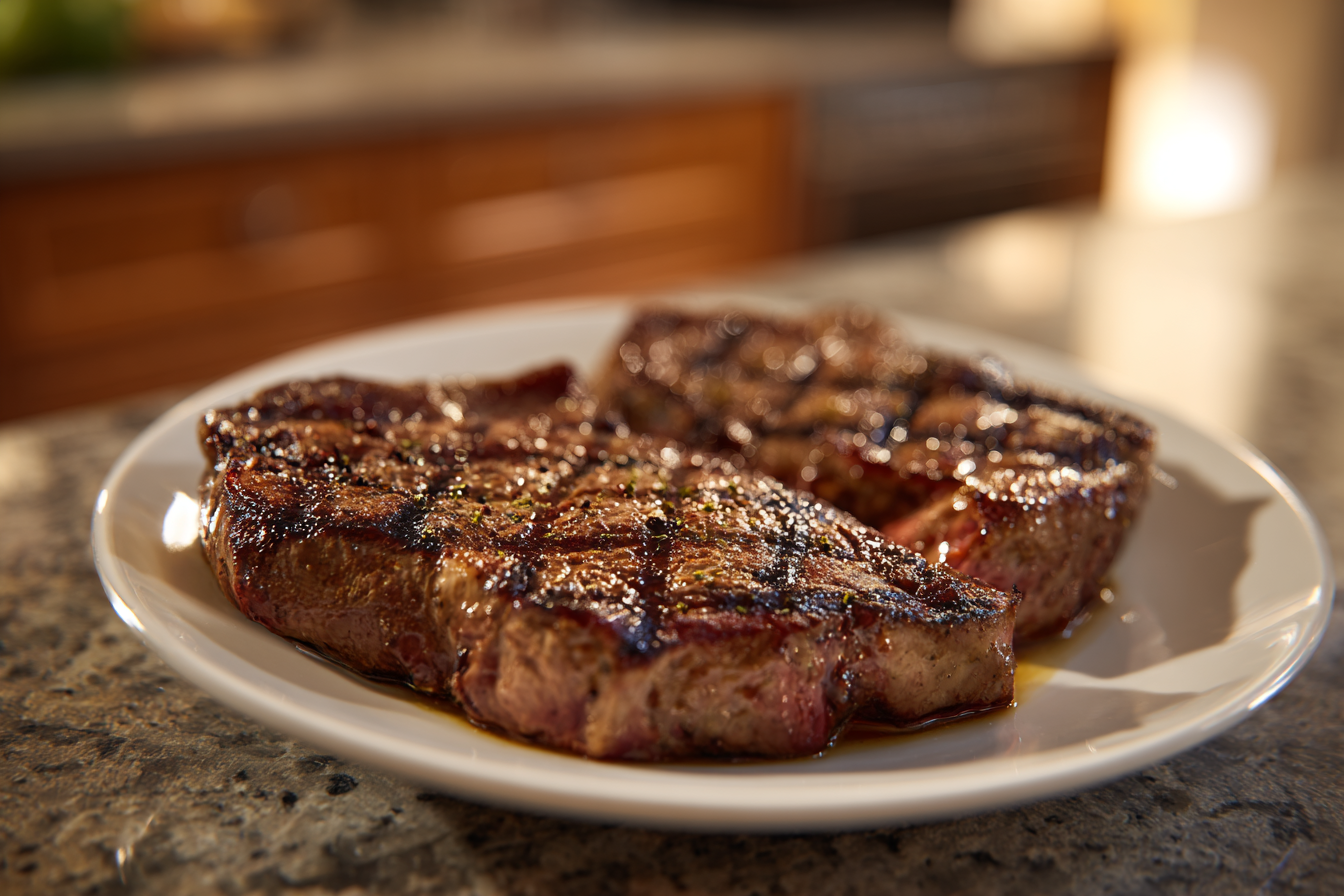
Before we even talk about meat, let’s talk about tools. Having the right equipment makes a world of difference, transforming a potentially stressful cooking experience into an enjoyable one. You don’t need a professional chef’s kitchen, but a few key items are non-negotiable for truly great grilled steaks. First up, a reliable grill. Whether you’re Team Charcoal or Team Gas, the most important thing is that it can get *hot*. We’re talking searing temperatures, folks. A clean grate is also crucial for preventing sticking and achieving those beautiful grill marks. Secondly, a good set of tongs. Long, sturdy tongs give you control and keep your hands away from the heat. Don’t skimp here; flimsy tongs lead to dropped steaks and singed knuckles. A stiff wire brush for cleaning the grates is also a must-have. Lastly, and perhaps most importantly, an instant-read thermometer. This is your best friend when it comes to hitting that perfect internal temperature. Guessing is for amateurs and leads to overcooked, dry steaks. Trust me, invest in one. It will pay for itself in perfectly cooked meat time and time again. Without it, you’re just hoping, and hope doesn’t make a great steak.Choosing Your Cut: The Foundation of Flavor
The type of steak you choose plays a massive role in the final result. Different cuts offer different textures, fat content, and flavor profiles. Understanding these differences will help you pick the perfect canvas for your grilling masterpiece.Ribeye: The Marbling Marvel
If you love a rich, buttery, and incredibly flavorful steak, the ribeye is your champion. Its generous marbling (those beautiful streaks of fat woven throughout the muscle) melts during cooking, basting the meat from within and imparting incredible juiciness and flavor. It’s a forgiving cut, making it great for grilling newbies, but shines in the hands of someone who knows how to harness its fat content.New York Strip: The Best of Both Worlds
Often called a strip steak, Kansas City strip, or simply “strip,” this cut offers a nice balance. It’s leaner than a ribeye but still has a good amount of marbling and a satisfying chew. It often has a nice fat cap on one side, which can render down beautifully and add extra flavor. It’s a robust, beefy steak that holds up well to high heat.T-Bone and Porterhouse: The Dynamic Duo
These two cuts are essentially the same idea: a bone-in steak featuring a New York strip on one side and a tenderloin (filet mignon) on the other. A porterhouse just has a larger tenderloin section. You get two distinct textures and flavors in one steak, which is fantastic. The challenge with these is cooking them evenly, as the tenderloin cooks faster than the strip.Filet Mignon: The Tender Touch
Known for its incredible tenderness, the filet mignon is a lean cut with very little marbling. It has a mild, almost buttery flavor and a melt-in-your-mouth texture. Because it’s so lean, it benefits from careful cooking to prevent it from drying out. Often wrapped in bacon to add fat and flavor. Choosing the right cut depends on your personal preference. For grilled steaks that are both flavorful and juicy, I often gravitate towards a well-marbled ribeye or a hearty New York strip.Prepping Your Steak for the Grill
Preparation is half the battle when it comes to grilling. Don’t rush this stage; these steps are crucial for achieving that delicious crust and tender interior.Bringing to Room Temperature
This is a step many skip, but it’s incredibly important. Take your steaks out of the refrigerator at least 30-60 minutes before you plan to grill them. A cold steak hitting a hot grill will cook unevenly: the outside will char before the inside reaches the desired temperature, leading to a tough, grey band. Letting it warm up slightly allows for more even cooking throughout.The Power of Seasoning
For good quality steak, you don’t need much. High-quality salt (like kosher or sea salt) and freshly cracked black pepper are often all you need. Don’t be shy with the salt! You want a generous, even coating on all sides. The salt will draw out some moisture initially, then dissolve and reabsorb, helping to tenderize the meat and create a beautiful crust. Tip: Season your steak at least 20 minutes before grilling, or even better, an hour beforehand. If seasoning right before, blot the steak dry first to remove surface moisture, which inhibits crust formation. Some people like to add garlic powder, onion powder, or a dash of paprika. A little olive oil rubbed on the steak before seasoning can help the spices adhere and promote a better sear, but it’s not strictly necessary if your grill is well-oiled.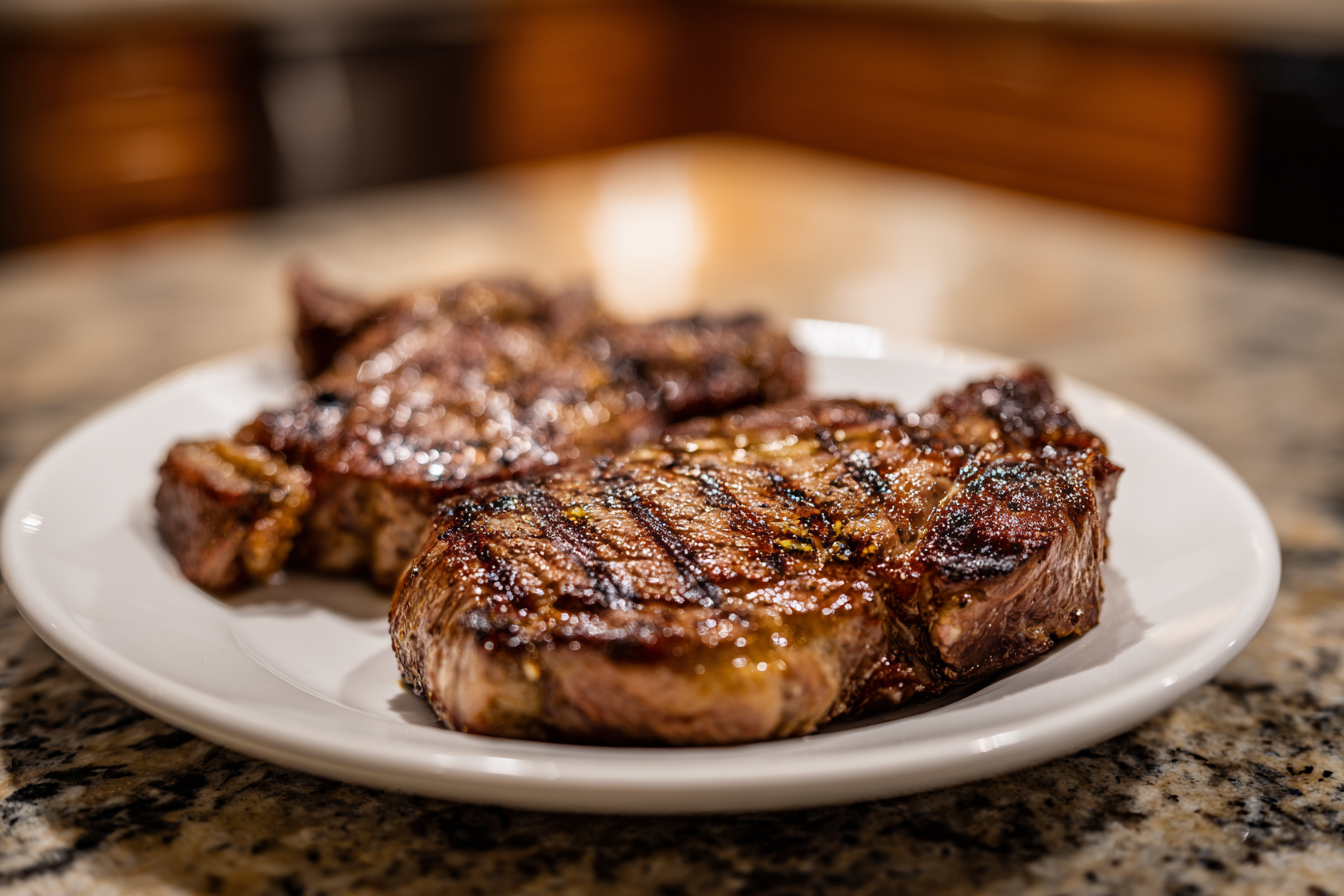
The Grilling Process: Heat, Sear, and Rest
This is where the magic happens. A properly preheated grill and diligent attention to internal temperature will ensure your grilled steaks are nothing short of perfection.Preheating Your Grill Like a Pro
Get your grill screaming hot! For gas grills, turn all burners to high and close the lid for 10-15 minutes. For charcoal, pile your coals on one side for a two-zone cooking setup – one hot zone for searing, and one cooler zone for finishing if needed. You want the grates to be hot enough that a drop of water sizzles and evaporates instantly. Clean the grates thoroughly with a wire brush, then oil them lightly with a paper towel dipped in high-smoke-point oil (like canola or grapeseed).Searing for that Irresistible Crust
Place your seasoned steaks directly over the hottest part of the grill. You’ll hear that satisfying sizzle immediately. Don’t move them! Let them sear undisturbed for 2-3 minutes. This creates that beautiful, flavorful crust. Then, using your tongs, rotate the steaks 90 degrees to get those classic crosshatch grill marks, and sear for another 2-3 minutes. Flip the steaks and repeat the searing process on the other side. For thicker cuts, you might need to sear the edges briefly as well.Monitoring Temperature for Perfect Doneness
After searing both sides, if your steaks are thick (over 1.5 inches), you might need to move them to a cooler part of the grill to finish cooking to your desired doneness without burning the exterior. Insert your instant-read thermometer into the thickest part of the steak, avoiding any bone. Here’s a quick guide to internal temperatures (remember, the temperature will rise 5-10 degrees during resting): Rare: 120-125°F (a cool red center) Medium-Rare: 130-135°F (a warm red center) Medium: 135-140°F (a warm pink center) Medium-Well: 140-145°F (slightly pink center) Well-Done: 150°F+ (little to no pink, firm) Remove your steaks from the grill 5-10 degrees *below* your target temperature to account for carryover cooking.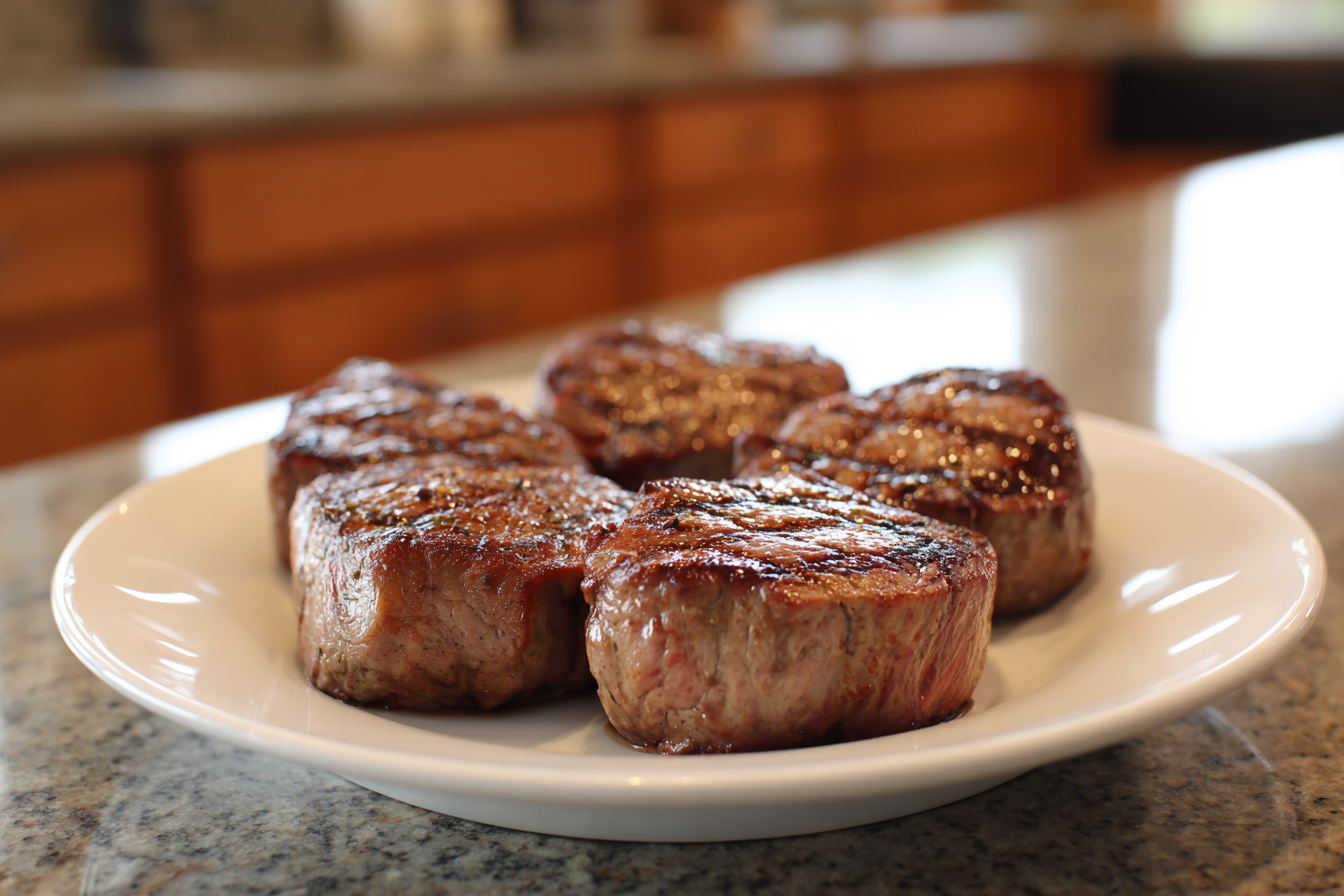
The Crucial Resting Period
This is non-negotiable. Seriously. Once off the grill, transfer your steaks to a cutting board and tent them loosely with foil. Let them rest for at least 5-10 minutes (longer for thicker cuts). This allows the juices, which have been pushed to the center by the heat, to redistribute throughout the meat. Cutting into a steak too soon will result in those precious juices running out onto your plate, leaving you with dry meat. Patience is a virtue here, and it’s rewarded with incredible juiciness.Serving Suggestions and Pairing Perfection
A perfectly grilled steak is a star in its own right, but a thoughtful pairing can elevate the entire meal. I love to keep things classic, letting the steak shine. A simple side of roasted asparagus or a fresh green salad with a bright vinaigrette provides a nice counterpoint to the richness of the meat. Crispy roasted potatoes or a creamy mashed potato dish are always winners—they soak up any remaining steak juices beautifully. For a little extra indulgence, consider a pat of herbed butter melting over the hot steak as it rests. A simple pan sauce made from the drippings (if you were pan-searing or finishing in a skillet) or a quick red wine reduction can add another layer of flavor. And don’t forget the wine! A robust Cabernet Sauvignon or a smoky Zinfandel are classic steak pairings that complement the rich, savory notes of the beef.Common Steak Pitfalls and How to Avoid Them
Even with the best intentions, things can go awry. Here are some common mistakes I’ve seen (and made!) and how to steer clear of them for consistently amazing results.Mistake #1: Not Bringing Steaks to Room Temperature
As mentioned earlier, cold steaks cook unevenly. The outside will overcook by the time the inside reaches doneness, resulting in a dreaded grey band. Solution: Plan ahead! Take your steaks out of the fridge 30-60 minutes before grilling.Mistake #2: Under-Seasoning
A bland steak is a sad steak. Meat needs a generous amount of salt to enhance its natural flavor and help form that beautiful crust. Solution: Don’t be shy with the salt and pepper. Sprinkle liberally on all sides. Taste a well-seasoned steak versus an under-seasoned one, and you’ll immediately understand the difference.Mistake #3: Flipping Too Often
Constantly moving and flipping your steak prevents a good sear from forming. You want to build that crust! Solution: Place the steak on the hot grill and leave it alone for 2-3 minutes per side before flipping. Resist the urge to poke, prod, or flip prematurely.Mistake #4: Not Using a Thermometer
Guessing doneness by touch is unreliable, especially for beginners. A slightly underdone or overcooked steak can ruin the experience. Solution: Invest in an instant-read thermometer. It’s the only way to accurately hit your desired internal temperature. Pull the steak off 5-10 degrees before your target!Mistake #5: Skipping the Rest
This is perhaps the biggest crime against steak. Cutting into meat immediately after cooking causes all the delicious juices to rush out, leaving you with a dry, tough steak. Solution: Always, always, always let your steak rest. Tent it with foil for 5-10 minutes. The longer the better for thicker cuts. This allows the juices to redistribute, leading to a tender, juicy result every time. By avoiding these common mistakes, you’ll be well on your way to grilling perfect steaks that impress every time.Frequently Asked Questions About Grilling Steaks
We all have questions when trying to perfect a new technique. Here are some of the most common queries I hear about how to cook grilled steaks on a plate.How do I get those perfect crosshatch grill marks?
The trick to those picture-perfect crosshatch marks is simple: leave your steak undisturbed! Start by placing the steak on the hot grill at a 45-degree angle to the grates. Let it sear for 2-3 minutes without moving it. Then, rotate it 90 degrees (still on the same side) and sear for another 2-3 minutes. Flip the steak and repeat the process on the other side. High heat and patience are key.What’s the best way to clean my grill after cooking?
It’s easiest to clean your grill while it’s still hot. After removing your steaks, close the lid and let any leftover food bits burn off for a few minutes. Then, using a sturdy wire brush, scrape down the grates thoroughly. This prevents buildup and makes your next grilling session cleaner and smoother, reducing sticking.Can I marinate steaks instead of just seasoning them?
Absolutely! While a good quality steak often needs only salt and pepper, marinades can add incredible flavor and tenderness, especially to leaner or tougher cuts. Just be mindful of acidic ingredients (like citrus or vinegar) in marinades, as too much can “cook” the meat or make it mushy if left for too long. Aim for 30 minutes to a few hours, depending on the marinade and cut.My steak is tough. What went wrong?
A tough steak can be due to several factors. It might have been overcooked (high heat for too long causes muscle fibers to contract), cut against the grain, or not rested long enough. Sometimes, it’s simply the cut of meat itself – some cuts are naturally tougher and benefit more from slow cooking methods. Ensure you hit the right internal temperature, rest your steak, and always slice against the grain for maximum tenderness.What kind of oil should I use for grilling or oiling the grates?
You want an oil with a high smoke point, meaning it can withstand high temperatures without burning and imparting a bitter taste. Grapeseed oil, canola oil, and refined avocado oil are excellent choices. Olive oil, especially extra virgin, has a lower smoke point and is better reserved for drizzling after cooking.
Perfectly Grilled Steaks with Herbed Butter
Unlock the secrets to grilling perfectly juicy and tender steaks with a beautiful crust, finished with a simple herbed butter.
📝 Ingredients
👩🍳 Instructions
-
1Remove steaks from the refrigerator 30-60 minutes before grilling to allow them to come closer to room temperature. Pat them entirely dry with paper towels.
-
2Generously season both sides and edges of the steaks with kosher salt and black pepper. Don't be shy; aim for an even coating. Lightly rub with 1 tbsp of high-smoke-point oil.
-
3While steaks are resting, prepare the herbed butter if using: In a small bowl, combine softened butter, minced garlic, chopped parsley, and thyme. Mix well and set aside.
-
4Preheat your grill to high heat (450-500°F) for at least 10-15 minutes. Once hot, clean the grates thoroughly with a wire brush and then oil them lightly with a paper towel dipped in high-smoke-point oil.
-
5Place the seasoned steaks on the hottest part of the grill. Sear for 2-3 minutes undisturbed. Rotate the steaks 90 degrees and sear for another 2-3 minutes to create crosshatch grill marks.
-
6Flip the steaks and repeat the searing process on the second side, 2-3 minutes for the initial sear, then rotate 90 degrees for another 2-3 minutes. For thicker steaks, you may need to sear the edges briefly.
-
7Continue to grill, flipping occasionally, until an instant-read thermometer inserted into the thickest part of the steak reaches your desired internal temperature (see guide below). Remove steaks 5-10 degrees *before* your target doneness.
-
8Transfer the grilled steaks to a clean cutting board. Top each steak with a dollop of herbed butter (if using). Tent loosely with aluminum foil and let rest for 5-10 minutes. This is crucial for juicy results.
-
9Slice the steaks against the grain and serve immediately. Enjoy!
💡 Notes
Internal Temperature Guide (will rise ~5 degrees during resting): Rare: 120-125°F | Medium-Rare: 130-135°F | Medium: 135-140°F. Always use an instant-read thermometer for accuracy. For best results, choose well-marbled steaks at least 1.5 inches thick.