

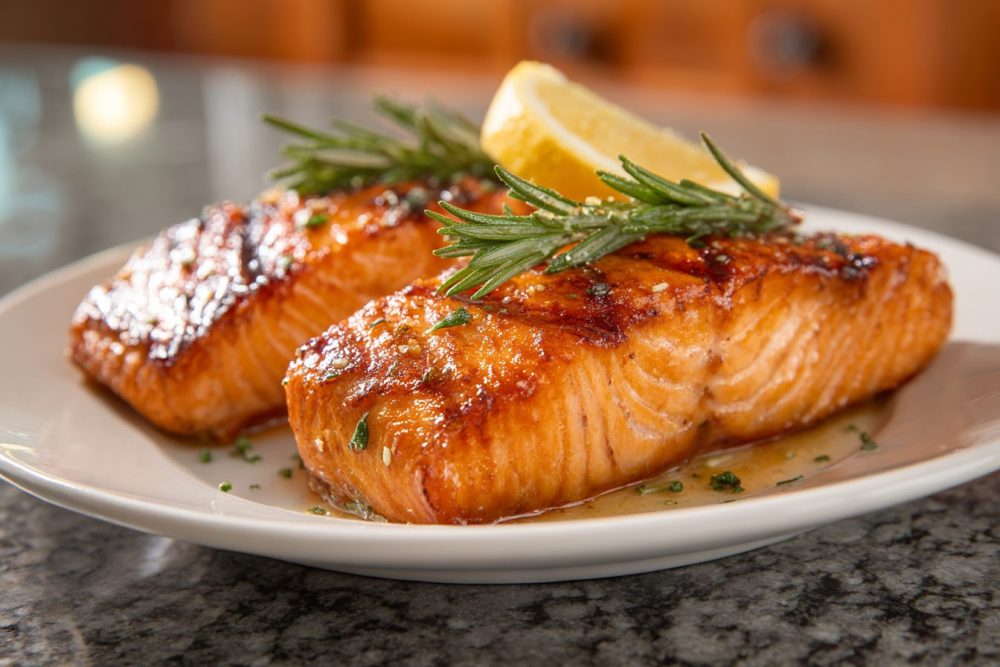
I used to dread grilling fish. It felt like a high-stakes gamble: would it stick to the grates and fall apart, or would it emerge perfectly flaky and delicious? More often than not, it was the former, leaving me with a sad, mangled piece of what was once beautiful salmon. But then I cracked the code, and now, cooking grilled salmon is one of my absolute favorite things to do when the weather’s warm, especially when it’s infused with bright lemon and fragrant rosemary.
- Mastering the Flame-Kissed Fish: Why This Salmon Shines
- Gathering Your Flavor Arsenal: What You’ll Need
- Preparing Your Perfect Salmon Steaks
- Grilling to Perfection: Step-by-Step
- Frequently Asked Questions About Grilled Salmon
- Can I use skin-off salmon for this recipe?
- How do I prevent the salmon from sticking to the grill?
- What if I don’t have fresh rosemary?
- How can I tell when my salmon is perfectly cooked?
- Can I prepare this salmon ahead of time?
- Serving Suggestions and Perfect Pairings
- Storing Leftovers and Reheating Tips
Mastering the Flame-Kissed Fish: Why This Salmon Shines
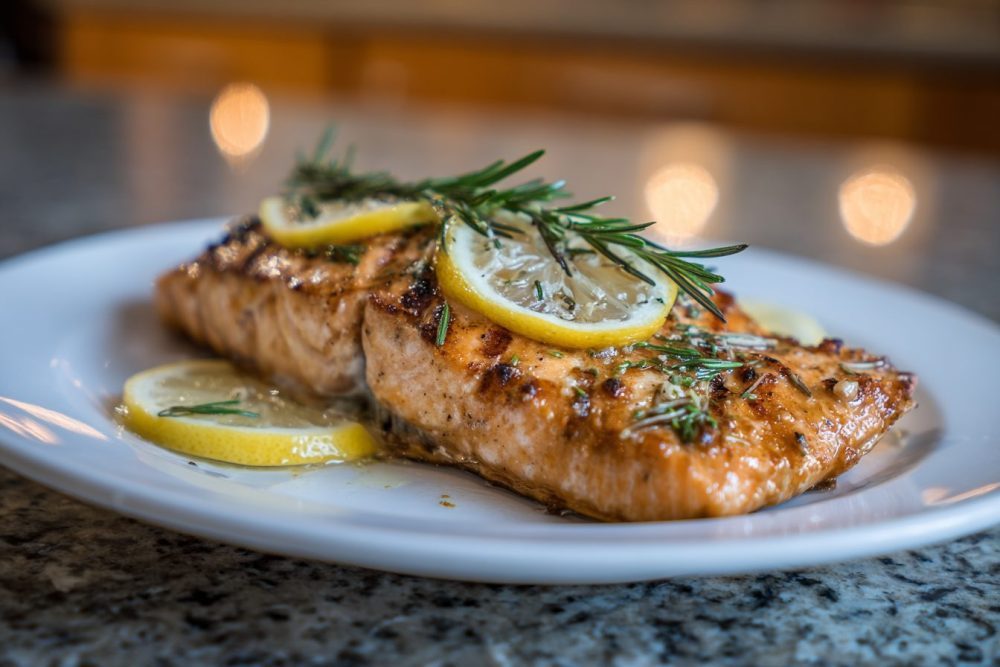
There’s something undeniably special about food cooked over an open flame, and salmon is no exception. This particular approach to making grilled salmon isn’t just about throwing it on the grates and hoping for the best. It’s a deliberate dance of flavors and techniques that ensures a show-stopping result every single time. We’re not just cooking fish; we’re crafting an experience. One of the big game-changers here is the simple yet powerful marinade. It’s not overly complicated, but the combination of fresh lemon juice, olive oil, and aromatic rosemary works wonders. The acidity from the lemon helps to tenderize the fish ever so slightly, while the oil acts as a barrier, preventing sticking and promoting a beautiful sear. And that rosemary? It infuses the salmon with an earthy, slightly peppery note that just sings alongside the citrus. Another crucial element is the attention to grill temperature. Too hot, and you risk burning the outside before the inside cooks through. Too low, and you won’t get that gorgeous, crispy skin or those coveted grill marks. We’ll talk about how to achieve that perfect medium-high heat, which is truly the sweet spot for flaky, flavorful fish. This recipe also champions the beauty of simplicity. You don’t need a pantry full of exotic ingredients to create something truly memorable. With just a few fresh components, you can transform a simple salmon fillet into a culinary masterpiece that tastes like it came from a high-end restaurant. It’s about letting the natural qualities of the ingredients shine. Finally, the quick glaze applied toward the end of cooking adds a layer of complexity without being heavy. It gives the salmon a beautiful sheen and an extra pop of flavor, making every bite even more irresistible. This isn’t just another dinner; it’s an occasion.Gathering Your Flavor Arsenal: What You’ll Need
To create this incredible lemon-rosemary grilled salmon, you’ll want to gather a few key ingredients. Freshness is paramount here, especially when it comes to the herbs and citrus. Don’t skimp on quality; it truly makes a difference in the final taste.For the Irresistible Salmon
- Salmon Fillets: Four 6-ounce skin-on or skin-off fillets. Wild-caught sockeye or Atlantic salmon are both excellent choices. Aim for pieces that are relatively uniform in thickness for even cooking.
- Olive Oil: About 3 tablespoons. A good quality extra virgin olive oil will add depth to the marinade.
- Fresh Lemon Juice: From 1 large lemon. Freshly squeezed is non-negotiable here; bottled lemon juice just won’t cut it.
- Fresh Rosemary: 2 sprigs, finely chopped. The aroma alone will make your kitchen smell amazing.
- Garlic: 2 cloves, minced. Fresh garlic provides a pungent warmth that complements the lemon and rosemary.
- Salt: 1 teaspoon, or to taste. Kosher salt is preferred.
- Black Pepper: ½ teaspoon, freshly ground.
For the Zesty Glaze
- Honey: 1 tablespoon. This adds a touch of sweetness and helps create that beautiful caramelization.
- Dijon Mustard: 1 teaspoon. It provides a subtle tang and emulsifies the glaze nicely.
- Lemon Zest: From ½ lemon. The zest carries intense lemon essential oils, boosting the citrus flavor.
- Olive Oil: 1 tablespoon.
Preparing Your Perfect Salmon Steaks
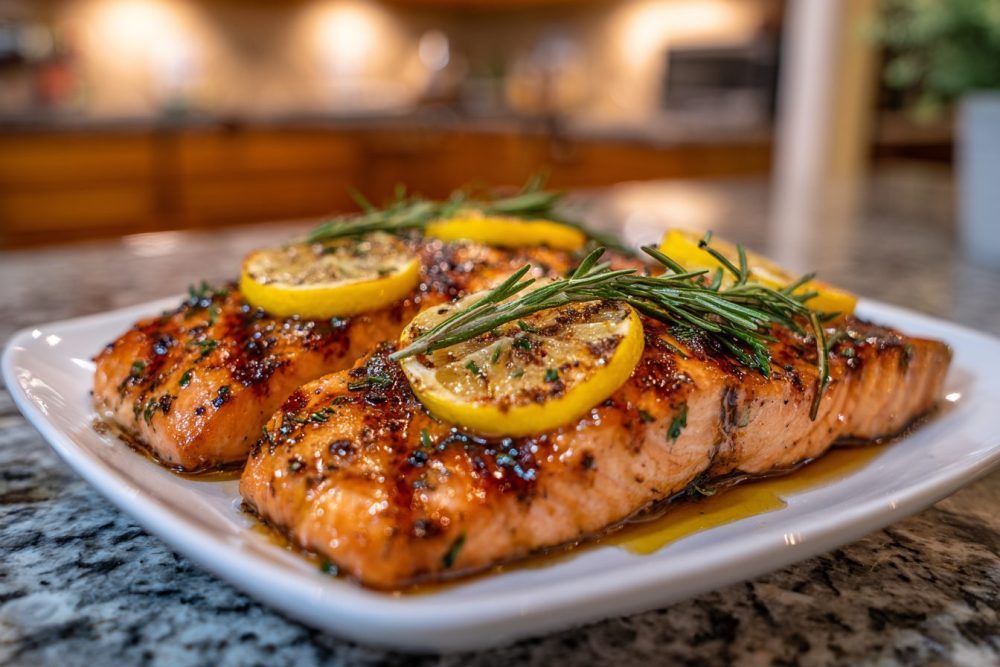
Getting your salmon ready for the grill is half the battle. A little prep work goes a long way in ensuring juicy, flavorful results. Don’t rush this part; it’s where the magic begins!Mixing the Marinade
In a shallow dish or a resealable plastic bag, combine the olive oil, fresh lemon juice, chopped rosemary, minced garlic, salt, and black pepper. Give it a good whisk to ensure everything is well combined and fragrant. The aromas will already start building anticipation for your grilled salmon.
Coating the Fillets
Add the salmon fillets to the marinade, turning them to coat thoroughly. If your salmon has skin, make sure the marinade gets all over the flesh side. Cover the dish or seal the bag and refrigerate for at least 20 minutes, but no longer than 30 minutes. Lemon juice can start to “cook” the fish if left too long, so timing is key here. While it’s marinating, you can start prepping your grill.
Grilling to Perfection: Step-by-Step
Now for the main event! Grilling salmon can seem daunting, but with the right technique, you’ll achieve that beautiful char and flaky interior every time.Setting Up Your Grill for Success
Preheat your grill to medium-high heat (about 400-450°F / 200-230°C). Make sure the grates are clean. Crucially, oil the grates generously. You can do this by folding a paper towel, dipping it in a neutral high-smoke-point oil (like canola or grapeseed), and using tongs to rub it over the hot grates. Repeat a few times to build up a good non-stick surface. This is your number one defense against sticking!
Tip: If you’re using skin-on salmon, oiling the skin lightly with a neutral oil before placing it on the grill will also help prevent sticking and promote crispiness.Crafting the Glaze
While the grill heats up, whisk together the honey, Dijon mustard, lemon zest, and olive oil in a small bowl. This quick glaze will be brushed on towards the end, adding that irresistible finish to your grilled salmon.
Grilling the Salmon
Remove the salmon from the marinade, letting any excess drip off. Place the salmon fillets presentation-side down (skin-side up if skin-on) on the hot, oiled grates. Close the lid and cook for 4-6 minutes, depending on the thickness of your fillets. Don’t peek! Let them get a good sear. You’ll know it’s time to flip when the fish releases easily from the grates and you can see nice grill marks.
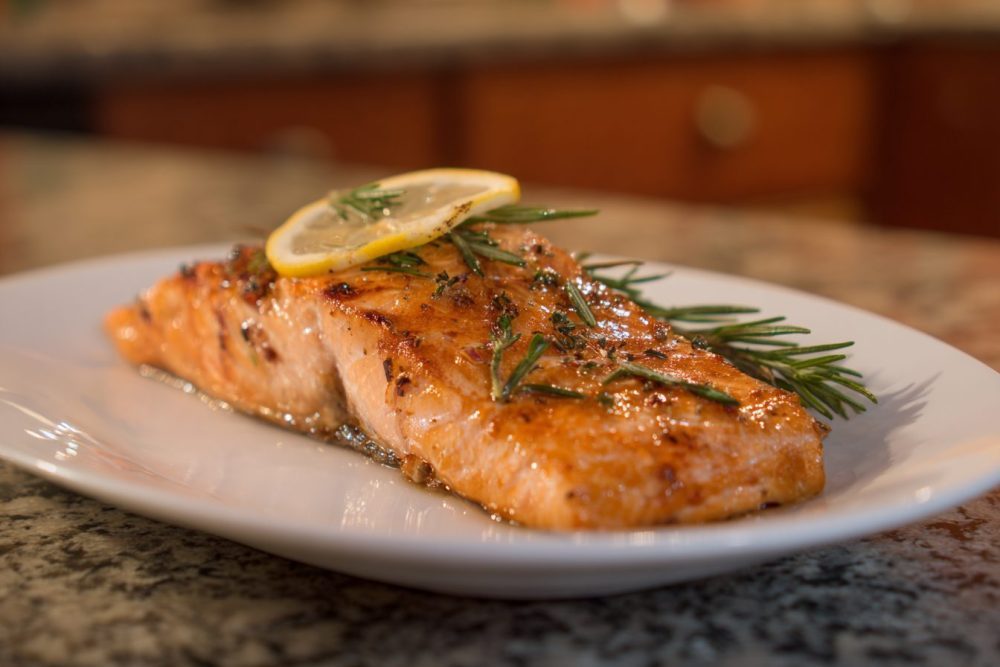
Carefully flip the salmon with a thin, sturdy spatula. If you have skin-on fillets, they should now be skin-side down. Brush the cooked side with some of your prepared glaze. Close the lid and continue cooking for another 4-7 minutes, until the salmon reaches an internal temperature of 145°F (63°C) at its thickest part, or until it flakes easily with a fork. Brush the second side with the remaining glaze during the last minute or two of cooking.
Resting and Serving
Once cooked, transfer the grilled salmon to a platter. Loosely tent it with foil and let it rest for 5 minutes. This allows the juices to redistribute, ensuring a moist and tender result. Garnish with an extra sprinkle of fresh rosemary and a squeeze of fresh lemon juice before serving. It’s perfect with a side of roasted asparagus or a light spinach salad.
Frequently Asked Questions About Grilled Salmon
Even seasoned grill masters have questions now and then, especially when venturing into the world of delicate fish. Here are some common queries about making the best grilled salmon.Can I use skin-off salmon for this recipe?
Absolutely! This recipe works beautifully with both skin-on and skin-off salmon. If you’re using skin-off, just be extra diligent about oiling your grill grates to prevent sticking, as the skin acts as a natural barrier. The cooking time will be similar, though skin-on salmon often provides a slightly crispier exterior.
How do I prevent the salmon from sticking to the grill?
This is probably the most common concern! The key is a clean, hot, and well-oiled grill. Ensure your grates are scrubbed free of old food bits. Preheat your grill to the recommended temperature, and then oil the hot grates generously with a high-smoke-point oil. Don’t move the fish until it naturally releases from the grates—if you try to flip too early, it will stick.
What if I don’t have fresh rosemary?
While fresh rosemary truly elevates this dish, you can substitute dried rosemary in a pinch. Use about half the amount of dried rosemary compared to fresh (so, about 1 teaspoon of dried for this recipe). Keep in mind that the flavor profile will be slightly different, as dried herbs are often more concentrated but lack the bright, piney notes of fresh.
How can I tell when my salmon is perfectly cooked?
The best way to tell is by using an instant-read thermometer. Insert it into the thickest part of the fillet; it should read 145°F (63°C) for medium-cooked salmon. Alternatively, the salmon should flake easily with a fork, and the center should no longer appear translucent. It’s better to undercook slightly than overcook, as it will continue to cook a bit as it rests.
Can I prepare this salmon ahead of time?
You can prepare the marinade up to a day in advance. However, I recommend only marinating the salmon for 20-30 minutes right before grilling. If you marinate it for too long, the acid in the lemon juice can start to “cook” the fish, altering its texture and making it too firm. The glaze can also be whisked together a few hours ahead and stored in the fridge.
Serving Suggestions and Perfect Pairings
This lemon-rosemary grilled salmon is incredibly versatile and pairs beautifully with a variety of sides. Keep it light and fresh to complement the delicate flavors of the fish. For a classic summer meal, consider serving it alongside a vibrant Quinoa Salad with fresh vegetables or some perfectly roasted asparagus. The earthiness of asparagus and the bright flavors of the salad create a harmonious balance. A simple green salad with a light vinaigrette is also always a good choice, letting the salmon truly be the star of the show. If you’re looking for something a bit more substantial, a light couscous salad or lemon herb rice would be fantastic. The grains will soak up any delicious juices from the salmon and the glaze. For a touch of color and sweetness, grilled corn on the cob or a fresh fruit salsa (think mango or pineapple) can be a delightful addition. Don’t forget the wine! A crisp Sauvignon Blanc or a light-bodied Pinot Grigio would complement the citrus and herbs beautifully. If you prefer beer, a refreshing light lager or a wheat beer would also be excellent choices.Storing Leftovers and Reheating Tips
While it’s rare to have leftovers of this delicious grilled salmon, it does happen! Knowing how to properly store and reheat it ensures you can enjoy it again without sacrificing flavor or texture.Storage Guidelines
Once cooled, transfer any leftover grilled salmon to an airtight container. It will keep well in the refrigerator for up to 2-3 days. Make sure to consume it within this timeframe for the best quality and food safety.
Reheating for Best Results
Reheating salmon can be tricky, as it tends to dry out easily. My preferred method is to gently warm it in the oven. Preheat your oven to 275°F (135°C). Place the salmon on a baking sheet, cover it loosely with foil, and warm for about 10-15 minutes, or until just heated through. This low and slow approach helps retain moisture.
Alternatively, you can microwave it on a low setting for short bursts (30-60 seconds at a time) until warm, but be careful not to overcook. For a quick and easy option, leftover grilled salmon is also delicious cold, flaked into salads, or used in sandwiches. It makes for a fantastic high-protein lunch the next day!
{ “name”: “Lemon-Rosemary Grilled Salmon”, “description”: “Flavorful grilled salmon with lemon-rosemary marinade and a sweet-tangy glaze. Perfect for your next BBQ!”, “prep_time”: “15 mins”, “cook_time”: “12 mins”, “total_time”: “27 mins”, “servings”: “4”, “cuisine”: “American”, “category”: “Seafood & grills”, “keywords”: “grilled salmon, lemon rosemary salmon, BBQ salmon, glazed salmon, healthy grilled fish”, “calories”: “350”, “nutrition”: { “calories”: “350 kcal”, “protein”: “38g”, “fat”: “20g”, “saturated_fat”: “4g”, “carbohydrates”: “6g”, “fiber”: “1g”, “sugar”: “4g”, “sodium”: “480mg”, “cholesterol”: “95mg” }, “ingredients”: [ “4 (6-ounce) salmon fillets, skin-on or skin-off”, “3 tbsp olive oil, divided”, “Juice of 1 large lemon”, “2 sprigs fresh rosemary, finely chopped”, “2 cloves garlic, minced”, “1 tsp salt”, “1/2 tsp black pepper”, “1 tbsp honey”, “1 tsp Dijon mustard”, “Zest of 1/2 lemon” ], “instructions”: [ “In a shallow dish or resealable bag, combine 2 tbsp olive oil, lemon juice, chopped rosemary, minced garlic, salt, and black pepper. Whisk to combine.”, “Add salmon fillets to the marinade, turning to coat. Marinate in the refrigerator for 20-30 minutes (no longer than 30 minutes to prevent fish from “cooking” in the acid).”, “Preheat grill to medium-high heat (400-450°F / 200-230°C). Clean and generously oil the grill grates to prevent sticking.”, “In a small bowl, whisk together honey, Dijon mustard, lemon zest, and remaining 1 tbsp olive oil to make the glaze.”, “Remove salmon from marinade, letting excess drip off. Place salmon fillets presentation-side down (skin-side up if skin-on) on the hot, oiled grates. Close lid and cook for 4-6 minutes, or until grill marks appear and salmon releases easily.”, “Carefully flip salmon. If using skin-on, the skin side should now be down. Brush the cooked side with some of the glaze. Close lid and cook for another 4-7 minutes, or until internal temperature reaches 145°F (63°C) or fish flakes easily. Brush remaining glaze on the second side during the last minute of cooking.”, “Transfer grilled salmon to a platter, tent loosely with foil, and let rest for 5 minutes before serving. Garnish with extra fresh rosemary and a squeeze of fresh lemon.” ], “notes”: “For skin-on fillets, ensure the skin is lightly oiled before grilling for extra crispiness and less sticking. Leftovers are delicious cold in salads or gently reheated at a low temperature in the oven.” }