

Imagine feeling energized, satisfied, and watching your body transform as you effortlessly shed pounds and build lean muscle. This isn’t a dream – it’s the power of protein! Today, we’re diving deep into the incredible benefits of a high-protein diet for weight loss, muscle building, and boosting your metabolism. We’ll unveil six powerhouse foods that are not only delicious but also incredibly versatile for healthy snacks and meal additions.
Are you tired of restrictive diets that leave you feeling hungry and deprived? The good news is, protein is your ally! It’s the macronutrient champion that keeps you fuller for longer, reduces cravings, and helps preserve muscle mass even when you’re in a calorie deficit.
Get ready to revolutionize your approach to healthy eating. We’ll guide you through incorporating these essential protein sources into your daily routine, making it easier than ever to achieve your fitness goals. Let’s unlock the metabolic magic together!
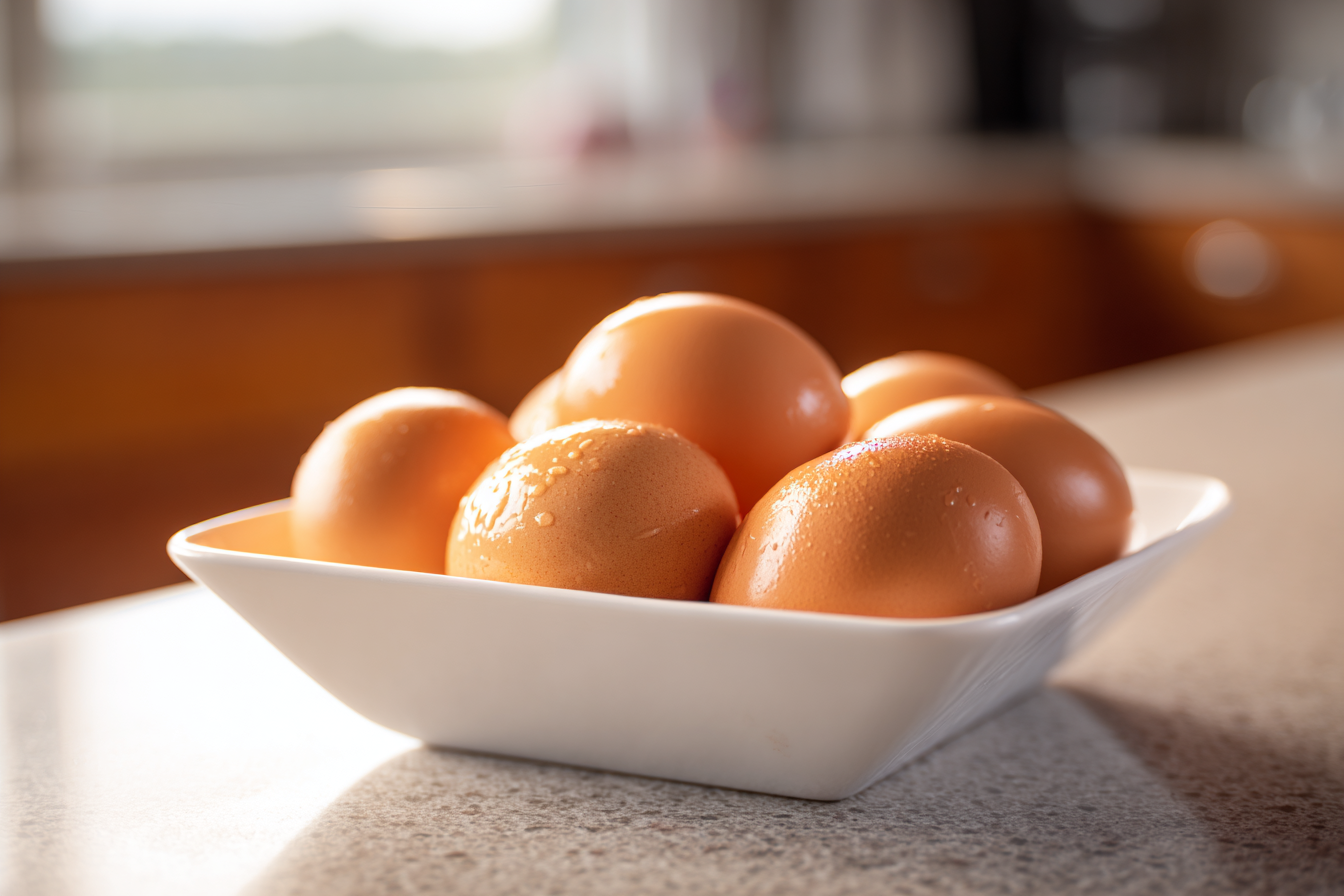
What Makes These High-Protein Foods Special for Weight Loss?
These six foods aren’t just good sources of protein; they are exceptional choices for anyone looking to optimize their nutrition for weight management, muscle growth, and overall vitality. Their unique nutritional profiles make them stand out.
Firstly, they boast a high thermic effect of food (TEF), meaning your body expends more energy to digest and metabolize protein compared to fats or carbohydrates. This effectively burns more calories just by eating them! Secondly, their rich amino acid profiles are crucial for muscle repair and synthesis, which keeps your metabolism firing.
- High Satiety: Keeps you feeling full and reduces overall calorie intake.
- Muscle Preservation: Essential for maintaining and building lean muscle mass.
- Metabolism Boost: Increases calorie expenditure through digestion.
- Nutrient Density: Packed with essential vitamins and minerals.
- Versatility: Easily incorporated into a wide variety of meals and snacks.
Why You’ll Love These Metabolism-Boosting Protein Foods
Embracing a diet rich in these protein powerhouses offers a multitude of benefits that extend far beyond just the numbers on the scale. You’ll not only see physical changes but also experience a significant boost in your overall well-being.
- Sustained Energy Levels: Say goodbye to energy crashes and hello to consistent vitality throughout your day.
- Reduced Cravings: Protein helps stabilize blood sugar, curbing those pesky mid-afternoon snack attacks.
- Improved Body Composition: Build lean muscle while shedding unwanted fat, leading to a more toned physique.
- Enhanced Satiety: Feel satisfied after meals, making it easier to stick to your dietary goals without feeling deprived.
- Convenient & Delicious: These foods are easy to prepare and incredibly versatile, fitting seamlessly into any meal plan.
- Supports Bone Health: Many protein sources are also rich in minerals vital for strong bones.
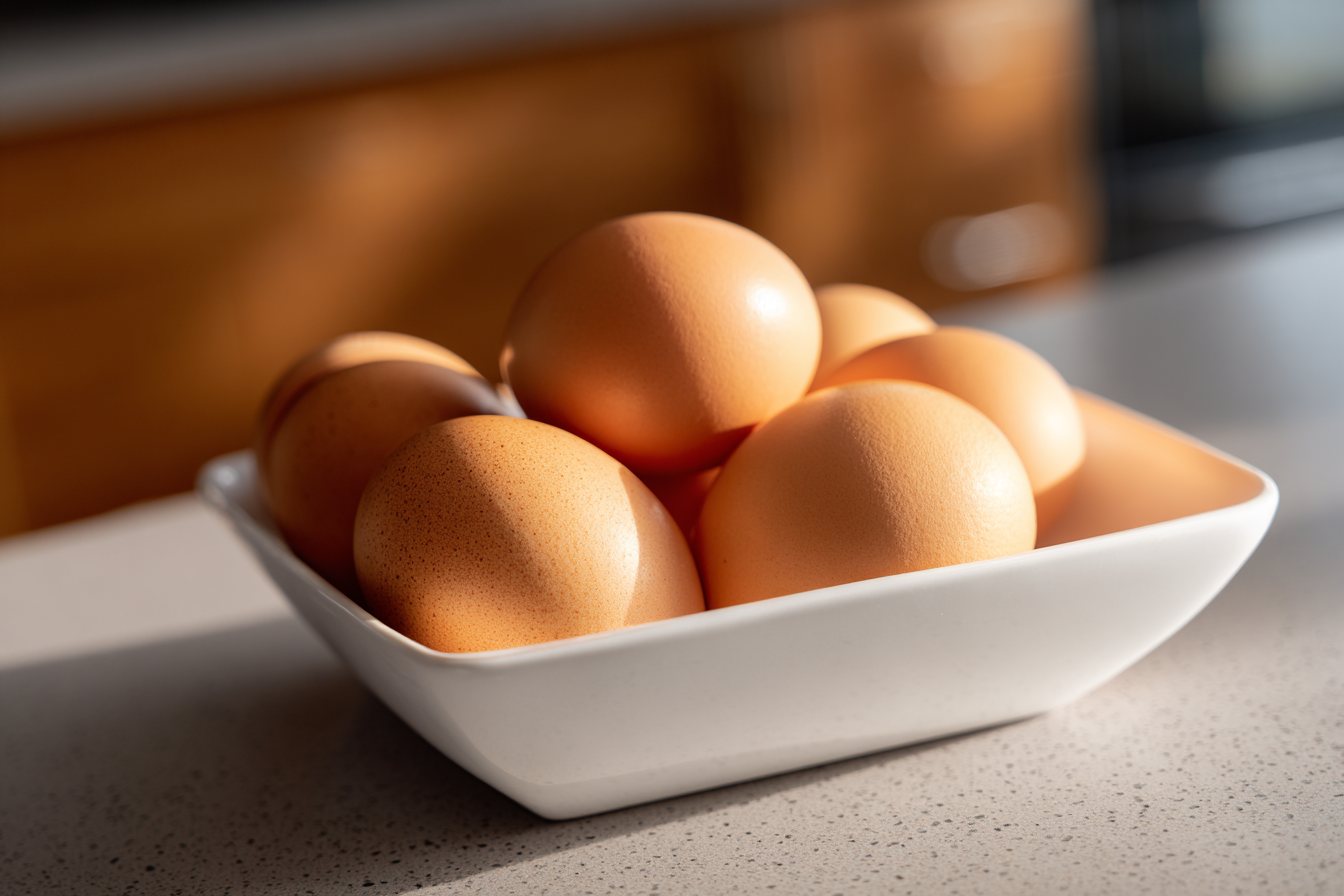
The Six Power Foods for a High-Protein Diet
Let’s dive into the stars of our show – the six incredible foods that will supercharge your high-protein diet. Each one brings unique benefits and can be easily integrated into your daily meals.
1. Eggs: The Perfect Protein Package
Often called nature’s multivitamin, eggs are a complete protein source, meaning they contain all nine essential amino acids your body can’t produce on its own. They are incredibly versatile and budget-friendly.
- Nutritional Punch: Rich in choline, vitamin D, and B vitamins.
- Versatility: Enjoy them scrambled, poached, hard-boiled, or as an omelet.
- Quick Snack: Hard-boiled eggs are the ultimate grab-and-go protein boost.
2. Greek Yogurt: Creamy, Tangy, and Packed with Protein
Greek yogurt is a fermented dairy product that’s strained to remove most of the whey, resulting in a thicker, creamier texture and significantly higher protein content than regular yogurt. It’s also a fantastic source of probiotics.
- Gut Health: Contains beneficial probiotics for a healthy digestive system.
- Snack Base: Perfect with berries, nuts, or a drizzle of honey.
- Cooking Ingredient: Use as a healthy substitute for sour cream or mayonnaise in dips and sauces.
3. Chicken Breast: Lean Muscle Builder
A staple for fitness enthusiasts, chicken breast is renowned for its lean protein content, making it an excellent choice for building and maintaining muscle mass without excessive fat. It’s also incredibly adaptable to various cuisines.
- Low Fat: Ideal for those watching their fat intake.
- Meal Prep King: Cook a batch for the week to add to salads, wraps, or stir-fries.
- Nutrient Rich: Provides niacin, vitamin B6, and selenium.
4. Lentils: Plant-Based Powerhouse
For those seeking plant-based protein options, lentils are an absolute superstar. They are not only packed with protein but also incredibly rich in fiber, which aids digestion and promotes satiety.
- Fiber Rich: Supports digestive health and keeps you full.
- Budget-Friendly: An economical way to boost your protein intake.
- Versatile: Great in soups, stews, salads, or as a meat substitute in burgers.
5. Salmon: Omega-3s and High-Quality Protein
Salmon is a fatty fish that offers the best of both worlds: high-quality protein and a generous dose of heart-healthy omega-3 fatty acids. These essential fats are crucial for brain health and reducing inflammation.
- Heart Health: Rich in omega-3s, beneficial for cardiovascular well-being.
- Vitamin D: One of the few natural food sources of vitamin D.
- Flavorful: Delicious baked, grilled, or pan-seared.
6. Cottage Cheese: Curd Your Cravings
Cottage cheese is a fresh cheese curd product with a mild flavor and creamy texture. It’s a fantastic source of casein protein, a slow-digesting protein that provides a sustained release of amino acids, making it perfect before bed.
- Slow-Release Protein: Casein protein keeps you feeling full for hours.
- Calcium Rich: Excellent for bone health.
- Snack or Meal: Enjoy plain, with fruit, or savory with herbs and spices.
How to Incorporate These High-Protein Foods into Your Diet
Making these foods a regular part of your meals is easier than you think! The key is planning and creativity. Here are some practical ways to boost your protein intake throughout the day.
Breakfast Boosters
- Start your day with a protein-packed scramble using eggs and cottage cheese.
- Blend Greek yogurt into smoothies with a scoop of protein powder for an extra kick.
- Top whole-grain toast with mashed avocado and a hard-boiled egg.
Lunch & Dinner Ideas
- Add grilled chicken breast to your salads, wraps, or grain bowls.
- Make a hearty lentil soup or a lentil salad for a fiber and protein-rich meal.
- Bake or grill salmon with a side of roasted vegetables for a balanced dinner.
- Use Greek yogurt as a base for creamy salad dressings or marinades.
Smart Snacking
- Keep hard-boiled eggs on hand for a quick and satisfying snack.
- Enjoy a bowl of cottage cheese with berries or a sprinkle of black pepper.
- Pack individual portions of Greek yogurt with a handful of nuts.
Expert Tips & Variations for Your High-Protein Meals
Maximizing your protein intake doesn’t have to be boring. With a few smart strategies, you can keep your meals exciting, flavorful, and incredibly effective for your health goals.
- Vary Your Sources: Don’t stick to just one or two protein sources. Rotate through all six (and more!) to ensure you’re getting a wide range of nutrients and amino acids.
- Meal Prep Like a Pro: Dedicate a few hours on the weekend to cook larger batches of chicken, hard-boil eggs, or prepare lentil salads. This makes healthy eating effortless during busy weekdays.
- Flavor Boosters: Don’t shy away from herbs, spices, and low-calorie sauces. Marinades for chicken, fresh dill with salmon, or a dash of chili flakes in your eggs can transform a simple dish.
- Portion Control: While protein is fantastic, moderation is still key. Aim for roughly 20-30 grams of protein per meal, depending on your individual needs and activity level.
- Hydration is Key: Drinking plenty of water is essential, especially when increasing protein and fiber intake, to aid digestion and overall bodily functions.
- Plant-Based Swaps: If you’re vegetarian or vegan, focus on lentils as well as other plant proteins like tofu, tempeh, edamame, and beans to ensure adequate intake.
Storage & Reheating Instructions for Protein-Rich Meals
Proper storage and reheating are crucial for food safety and maintaining the quality of your delicious high-protein meals. Follow these guidelines to keep your food fresh and ready to eat.
- Cooked Chicken/Salmon: Store in airtight containers in the refrigerator for up to 3-4 days. Reheat gently in the microwave or oven until heated through. Avoid overcooking, which can dry out the protein.
- Hard-Boiled Eggs: Keep shelled or unshelled hard-boiled eggs in the refrigerator for up to 7 days. They are best enjoyed cold or at room temperature.
- Lentil Dishes: Cooked lentils, whether in a soup, stew, or salad, can be stored in an airtight container in the fridge for 3-5 days. They also freeze well for up to 3 months. Reheat on the stovetop or in the microwave.
- Greek Yogurt/Cottage Cheese: Always store these dairy products in their original sealed containers in the refrigerator. Consume by the “best by” date. Once opened, they generally last for about 5-7 days.
- Freezing Tips: Cooked chicken and lentils freeze exceptionally well. Portion them into individual freezer-safe bags or containers for easy thawing and reheating.
Nutrition Information (Per Serving – Example for a Protein-Rich Meal)
Understanding the nutritional breakdown of your meals is vital for tracking your intake and ensuring you meet your dietary goals. Here’s an example of what a balanced high-protein meal might look like.
| Nutrient | Amount (Approx.) |
|---|---|
| Calories | 350 kcal |
| Protein | 25g |
| Fat | 12g |
| Saturated Fat | 4g |
| Carbohydrates | 35g |
| Fiber | 3g |
| Sugar | 5g |
| Sodium | 450mg |
| Cholesterol | 65mg |
*Note: Nutritional values are approximate and can vary based on specific ingredients and portion sizes.
Frequently Asked Questions About High-Protein Diets
Embarking on a high-protein journey often comes with questions. Here are some of the most common inquiries to help you navigate your new eating habits with confidence.
What is the ideal amount of protein for weight loss?
While individual needs vary based on age, activity level, and goals, a general recommendation for weight loss is to aim for 0.7 to 1 gram of protein per pound of your target body weight. For example, if your target weight is 150 lbs, aim for 105-150 grams of protein per day. Spreading this intake across multiple meals throughout the day is most effective.
Can a high-protein diet help build muscle?
Absolutely! Protein provides the essential amino acids that are the building blocks for muscle tissue. Coupled with resistance training, a high-protein diet is crucial for muscle repair, recovery, and growth (hypertrophy). Aim for protein intake shortly after workouts to maximize benefits.
Are there any downsides to eating too much protein?
For healthy individuals, consuming a high amount of protein is generally safe. However, extremely high intakes (e.g., over 2g per pound of body weight) without adequate hydration can potentially strain kidneys over the long term. It’s always best to consult with a healthcare professional or registered dietitian if you have pre-existing kidney conditions or concerns.
How can I increase my protein intake if I’m vegetarian or vegan?
Vegetarians and vegans have excellent options! Focus on plant-based proteins like lentils, beans, chickpeas, tofu, tempeh, edamame, quinoa, nuts, seeds, and plant-based protein powders. Combining different plant proteins throughout the day ensures you get all essential amino acids.
Is it better to get protein from supplements or whole foods?
Always prioritize whole food sources of protein first. They come packed with additional vitamins, minerals, and fiber that supplements often lack. Protein supplements can be a convenient tool to fill gaps or meet high protein targets, especially post-workout, but they should complement, not replace, a diet rich in whole protein foods.

High-Protein Metabolism-Boosting Meal Plan (Example)
A sample high-protein meal plan featuring 6 metabolism-boosting foods for weight loss and muscle gain.
📝 Ingredients
👩🍳 Instructions
-
1Prepare the Lentils: Rinse lentils thoroughly. In a large pot, heat 1 tbsp olive oil over medium heat. Add chopped onion and sauté for 5-7 minutes until softened. Add minced garlic and cook for 1 minute more until fragrant. Stir in dried lentils, diced tomatoes (undrained), vegetable broth, and Italian herbs. Bring to a boil, then reduce heat to low, cover, and simmer for 25-30 minutes, or until lentils are tender. Season with salt and pepper. This yields a hearty lentil stew/side.
-
2Cook the Chicken: While lentils simmer, pat chicken breasts dry. Season with salt, pepper, and any desired spices (paprika, garlic powder). Heat 1 tbsp olive oil in a large skillet over medium-high heat. Cook chicken breasts for 6-8 minutes per side, or until internal temperature reaches 165°F (74°C). Remove from skillet, let rest for 5 minutes, then slice or shred.
-
3Bake the Salmon: Preheat oven to 400°F (200°C). Line a baking sheet with parchment paper. Place salmon fillets skin-side down (if applicable). Drizzle with a little olive oil, season with salt, pepper, and lemon slices or fresh dill if desired. Bake for 12-15 minutes, or until salmon flakes easily with a fork.
-
4Prepare Eggs and Dairy: Hard-boil eggs (cook in boiling water for 9-12 minutes, then cool in ice bath and peel). Divide Greek yogurt and cottage cheese into individual serving containers.
-
5Assemble Meals for Prep: For meal prep, divide cooked lentils, sliced chicken, and baked salmon into separate airtight containers, ensuring a balanced portion of each protein. Include a hard-boiled egg with breakfast or as a snack. Pair with mixed greens or steamed vegetables for complete meals.
-
6Serving Suggestions: Enjoy the lentil stew on its own, or as a side to the chicken or salmon. Use Greek yogurt for breakfast with fruit, or as a dressing. Cottage cheese makes a great snack or light meal. Mix and match these components throughout your week for varied high-protein meals.
💡 Notes
This recipe outlines how to prepare the core protein components. For best results, adjust seasoning to your preference. Feel free to add more vegetables to the lentil stew or serve with a variety of steamed or roasted veggies. Cooked proteins should be cooled completely before storing in the refrigerator.