
Ever had one of those mornings where you just want something special, but also, you know, easy? Something that feels a little fancy without actually demanding a culinary degree? That’s exactly how I stumbled upon these delightful mini German pancakes, and let me tell you, they’ve been a game-changer for our weekend breakfast routine ever since. Forget flipping individual pancakes; this method is pure genius, delivering a fluffy, golden dream with minimal effort.
- Why These Mini German Pancakes Are Simply Irresistible
- Gathering Your Pantry Essentials
- Crafting Your Custardy Mini German Pancakes
- Prepping for Perfection:
- Whipping Up the Batter:
- Combining Wet and Dry:
- Baking the Magic:
- The Grand Finale:
- Common Queries About German Pancakes
- Why do my German pancakes always deflate?
- Can I make the batter ahead of time?
- What’s the secret to a really good puff?
- Are these the same as Dutch Babies?
- What if I don’t have a cast iron skillet?
- Elevating Your Mini German Pancakes: Serving Suggestions
- Making Ahead and Storing Leftovers
- A Little History of German Pancakes
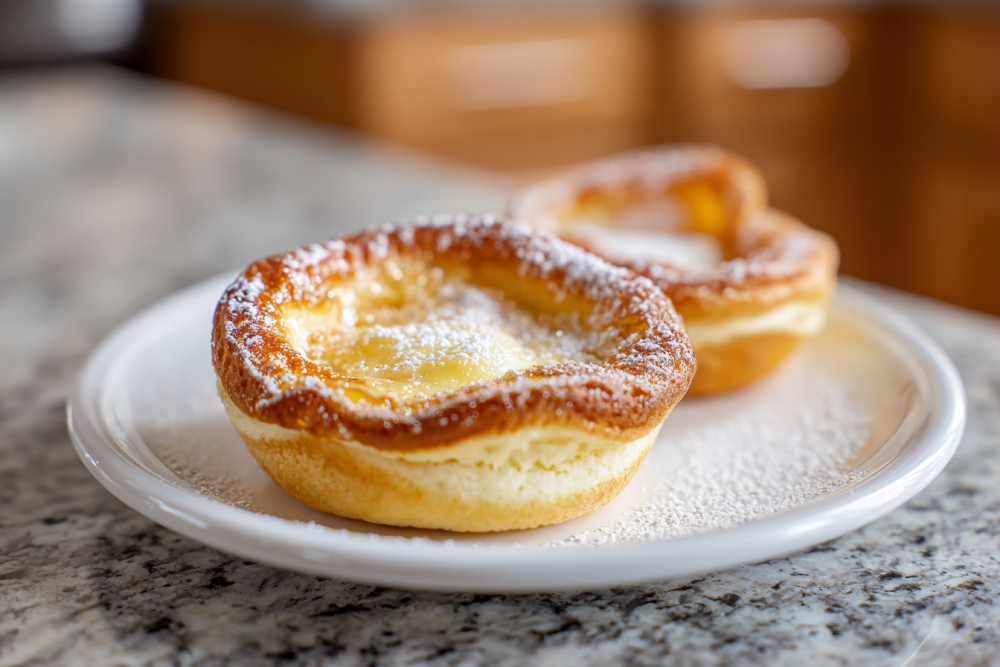
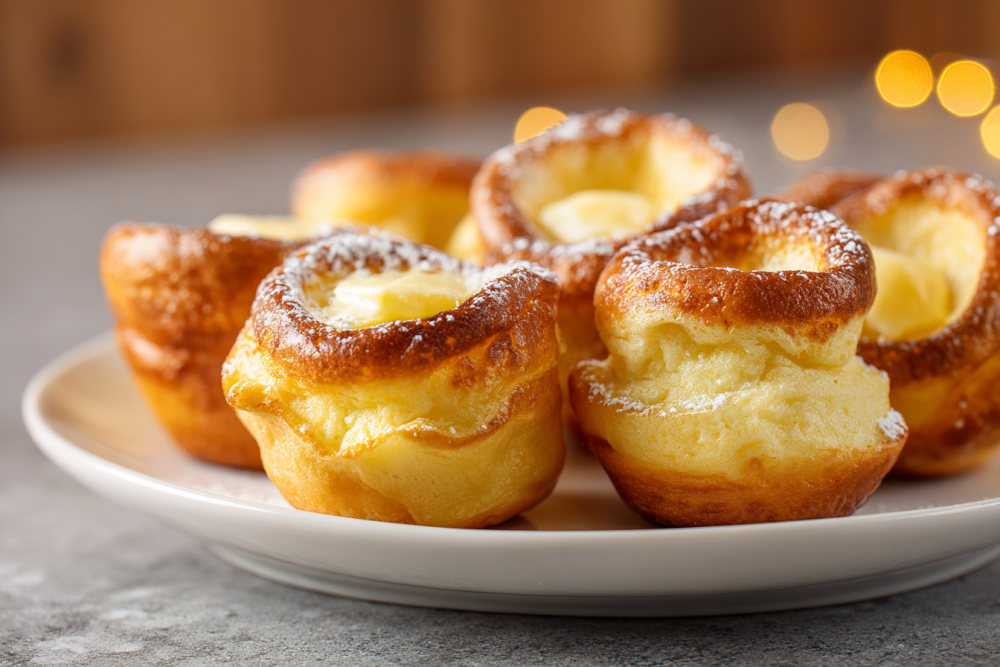
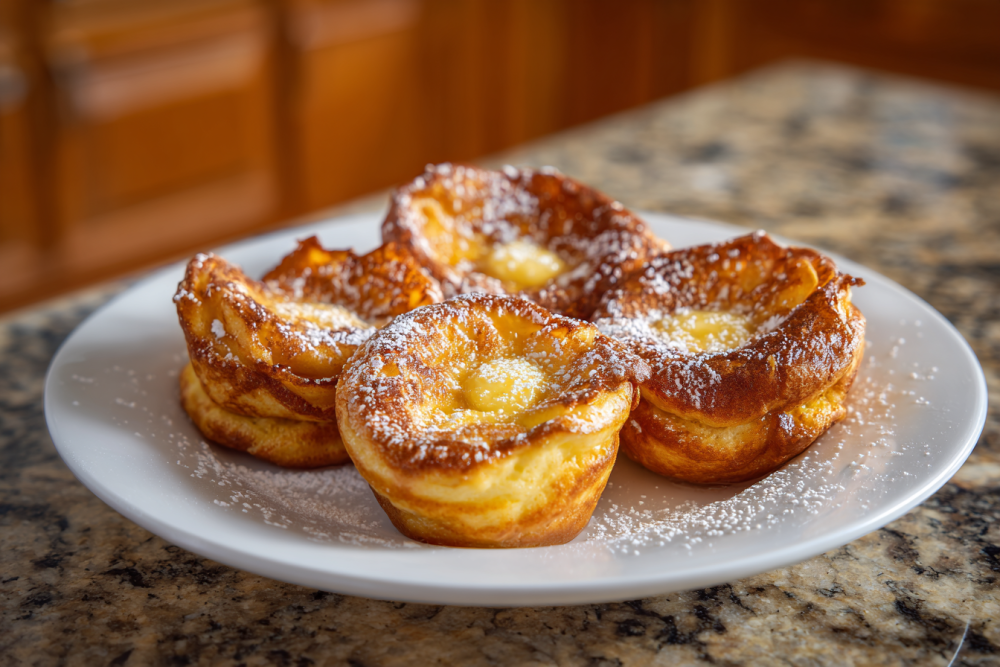
There’s something incredibly satisfying about watching a simple batter transform into these puffy, golden-edged beauties right before your eyes. They rise dramatically in the oven, creating a gorgeous crater perfect for holding pools of melted butter and drifts of powdered sugar. It’s a visual feast before you even take the first bite.
What’s truly wonderful about this recipe isn’t just the ease, but the sheer joy it brings to the table. It turns an ordinary morning into a celebration, a little treat that feels luxurious without being overly indulgent. Perfect for a cozy family brunch or a slow, quiet start to your day.
Why These Mini German Pancakes Are Simply Irresistible
You might be thinking, “Pancakes are pancakes, right?” Oh, but my friend, German pancakes (often called Dutch Babies in North America) are in a league of their own. Unlike traditional flat flapjacks, these oven-baked wonders puff up magnificently in a hot pan, creating a custardy interior and crispy edges. It’s less about the individual pancake stacks and more about a dramatic, shareable skillet full of deliciousness.
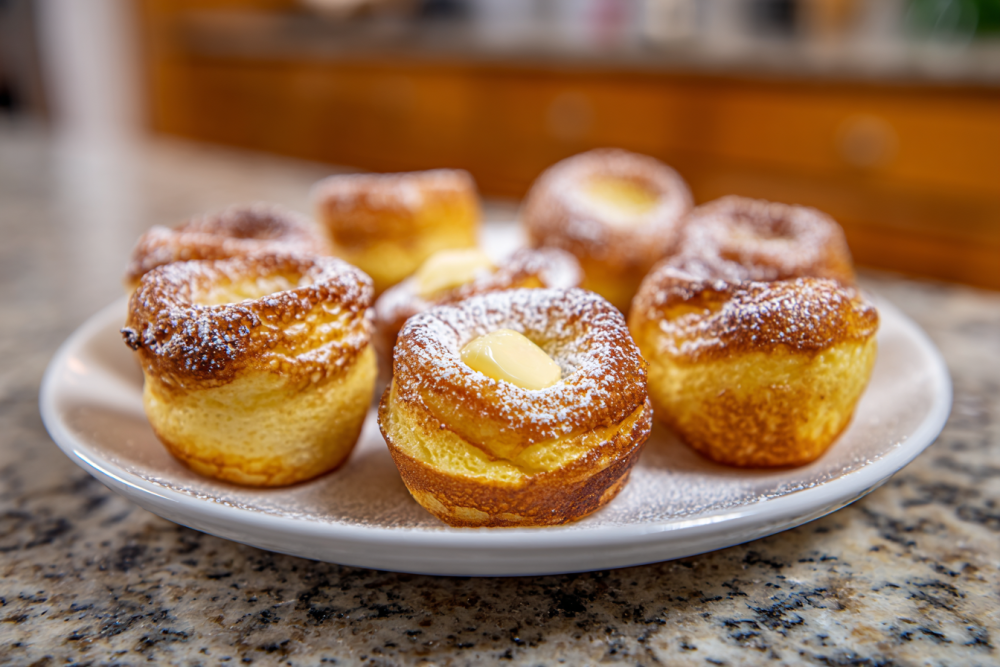
What sets this mini version apart? Portion control and speed! Instead of one large pancake that you then slice, we’re making individual servings. This means faster cooking, less fuss, and everyone gets their own perfectly puffed golden cloud. The simple combination of warm pancakes, glistening melted butter, and a generous snowfall of sweet powdered sugar creates an unforgettable flavor profile that’s both comforting and elegant.
This method also prevents the dreaded “first pancake fail.” Since they all bake at once, you get consistent results every time. Plus, the presentation is just lovely – serving them on a white plate, adorned with their simple yet perfect toppings, looks like something straight out of a brunch cafe.
Gathering Your Pantry Essentials
The beauty of these mini German pancakes lies in their simplicity. You probably have most of these ingredients in your kitchen right now. Fresh, high-quality ingredients make all the difference here, especially the eggs and milk, which form the heart of the batter.
What You’ll Need:
- All-purpose flour: The foundation of our pancake. Make sure it’s fresh for the best rise.
- Large eggs: These are crucial for the structure and puff. Room temperature eggs blend more smoothly and yield a better rise.
- Whole milk: Full-fat milk contributes to a richer, more custardy texture. You can use 2% if that’s what you have, but whole milk is preferred.
- Granulated sugar: Just a touch to sweeten the batter slightly and help with browning.
- Salt: A pinch enhances all the other flavors.
- Unsalted butter: Essential for greasing the pan and, of course, for melting generously over the finished pancakes.
- Powdered sugar: For that iconic, sweet dusting finish.
Substitutions and Tweaks:
If you’re out of whole milk, 2% will work, though the texture might be slightly less rich. For a dairy-free version, consider using a good quality unsweetened almond or oat milk and a plant-based butter alternative. The rise might be slightly different, but the flavor will still be delicious. Some people like to add a splash of vanilla extract to the batter for an extra layer of flavor – about a teaspoon works beautifully.
Crafting Your Custardy Mini German Pancakes
The process for these pancakes is surprisingly straightforward, relying more on technique than complex steps. The key is a very hot pan and a well-blended batter. You’ll be amazed at how quickly this comes together!
Prepping for Perfection:
Start by preheating your oven to a robust 425°F (220°C). This high heat is crucial for that dramatic puff. While the oven heats, place your cast iron skillet (or oven-safe baking dish if you’re making a larger one, but for mini pancakes, muffin tins or ramekins work perfectly) inside to get screaming hot. This hot pan helps the batter set instantly and begin its ascent.
Whipping Up the Batter:
In a medium bowl, whisk together the all-purpose flour, granulated sugar, and salt. In a separate bowl, whisk the eggs until they’re light and frothy, then gradually whisk in the whole milk. The goal here is a smooth, lump-free mixture. Sometimes I use my blender for this, especially if I’m feeling lazy – it makes an incredibly smooth batter in seconds!
Combining Wet and Dry:
Slowly pour the wet ingredients into the dry ingredients, whisking continuously until just combined. Be careful not to overmix! A few small lumps are perfectly fine; overmixing develops the gluten too much, which can lead to a tougher pancake rather than a tender, custardy one. Let the batter rest for about 5-10 minutes while your pan finishes heating. This allows the flour to fully hydrate, resulting in a more tender crumb.
Baking the Magic:
Carefully remove the super hot pan from the oven. Add a tablespoon or two of unsalted butter to the pan. It should melt and sizzle immediately. Swirl the butter to coat the bottom and sides of the pan. If using muffin tins or ramekins, add about a teaspoon of butter to each cavity. Then, equally divide the batter among your mini pancake cavities (muffin tins or small ramekins). Don’t fill them more than about two-thirds full.
Tip: Work quickly at this stage! The hotter the pan when the batter hits it, the more dramatic the puff. Don’t let the pan cool down too much before pouring in the batter.
Carefully transfer the pan back into the hot oven and bake for 15-20 minutes, or until the mini German pancakes are dramatically puffed, deeply golden brown around the edges, and set in the center. The baking time will vary depending on the size of your mini pancakes and your oven. Keep an eye on them – they can go from perfectly golden to too dark relatively quickly.
The Grand Finale:
Remove the puffed pancakes from the oven. They will deflate gracefully within a minute or two – this is perfectly normal and part of their charm! Immediately transfer them to individual plates. Top each warm pancake with a pat of unsalted butter, allowing it to melt into the crevices. Finish with a generous dusting of powdered sugar. Serve immediately and enjoy the oohs and aahs!
Common Queries About German Pancakes
Don’t be shy if you have questions! Even the simplest recipes can sometimes throw us a curveball. Here are some of the most common questions I get about making these delicious oven-baked pancakes.
Why do my German pancakes always deflate?
Deflating is completely normal and expected! German pancakes (or Dutch Babies) get their dramatic puff from the steam created by the liquid in the batter hitting the extremely hot pan. Once they’re taken out of the heat, that steam escapes, and they gently collapse. It doesn’t affect their delicious flavor or custardy texture. Embrace the deflation; it’s part of the experience!
Can I make the batter ahead of time?
Yes, you absolutely can! You can prepare the batter, cover it, and refrigerate it for up to 24 hours. Give it a good whisk before using, as the flour might settle at the bottom. Bring it closer to room temperature before baking for the best results, or at least give it 15-20 minutes out of the fridge while your oven preheats.
What’s the secret to a really good puff?
There are a few secrets! First, make sure your pan is screaming hot before adding the batter. Second, use room temperature eggs and milk; they emulsify better and create a more uniform batter. Third, a well-blended but not overmixed batter is key – a blender works wonders here for smoothness. Finally, resist the urge to open the oven door during the first 10-12 minutes of baking; you want to trap all that precious steam inside.
Are these the same as Dutch Babies?
Yes, they are! “German pancake” and “Dutch Baby” are largely interchangeable terms for this delightful, oven-baked puff pancake. The origin stories are a bit fuzzy, but both refer to the same style of dish – a large, skillet-baked pancake that puffs up dramatically and is typically served with sweet toppings.
What if I don’t have a cast iron skillet?
No problem! Any oven-safe baking dish will work, though cast iron retains heat exceptionally well, which helps with the puff. For mini versions, muffin tins, popover pans, or individual ceramic ramekins are perfect. Just ensure they are oven-safe and can handle the high heat. You’ll still want to preheat them in the oven before adding the butter and batter.
Elevating Your Mini German Pancakes: Serving Suggestions
While a simple pat of butter and a dusting of powdered sugar is classic and utterly delicious, these mini German pancakes are incredibly versatile. Think of them as a blank canvas for your breakfast creativity!
Fresh Fruit Finish:
A handful of fresh berries (strawberries, blueberries, raspberries) adds a burst of color and a lovely tart contrast to the sweet pancakes. Sliced bananas or peaches are also fantastic, especially when in season. A squeeze of fresh lemon juice over the fruit can brighten the whole dish.
Syrup & Cream Delights:
Beyond powdered sugar, a drizzle of warm maple syrup is always a winner. Consider fruit compotes – a quick homemade berry compote or apple compote warmed gently on the stove top is divine. A dollop of whipped cream or a spoonful of Greek yogurt can add a creamy texture that perfectly complements the custardy pancake.
Savory Swirls (for the adventurous!):
While traditionally sweet, German pancakes can also lean savory. Skip the sugar in the batter, and after baking, top with sautéed mushrooms and spinach, or even a fried egg and crumbled bacon. A sprinkle of fresh herbs like chives or parsley would be a nice touch. This definitely changes the “mini German pancakes with butter and powdered sugar” vibe, but it opens up a whole new world!
Making Ahead and Storing Leftovers
These pancakes are truly best enjoyed fresh from the oven, when they’re at their puffiest and warmest. However, if you find yourself with leftovers or want to get a head start, here’s how to manage them.
Batter Prep:
As mentioned, the batter can be made up to 24 hours in advance and stored in the refrigerator. This is a fantastic way to prep for a speedy breakfast on a busy morning. Just pull the batter out while your oven heats up.
Storing Cooked Pancakes:
Once baked, these pancakes will lose their dramatic puff. If you have any leftovers, allow them to cool completely. Store them in an airtight container in the refrigerator for up to 2-3 days. They won’t have the same light and airy texture as fresh, but they’ll still be tasty.
Reheating Tips:
To reheat, place them on a baking sheet and warm in a preheated oven at 300°F (150°C) for about 5-10 minutes, or until heated through. The microwave is an option for speed, but it can make them a bit chewy. I don’t recommend freezing these; they tend to become rubbery upon thawing and reheating.
A Little History of German Pancakes
The story of the German pancake, or Dutch Baby, is quite interesting and a bit of a culinary misnomer. Despite the name, the “Dutch Baby” isn’t actually Dutch in origin. It’s believed to have been popularized in the United States in the early 20th century by a Seattle restaurant called Manca’s Cafe. The owner’s daughter allegedly mispronounced “Deutsch” (meaning German) as “Dutch,” and the name stuck!
These pancakes are essentially a variation of the traditional German Pfannkuchen, which are thinner, crepe-like pancakes. The Americanized version, baked in a hot skillet, developed its characteristic puffy edges and custardy center. It quickly became a beloved breakfast item, offering a dramatic presentation and a comforting, satisfying meal. It embodies that classic comfort food feeling – simple ingredients, incredible results.
So, when you’re enjoying your plate of mini German pancakes, you’re not just eating a delicious breakfast; you’re partaking in a piece of culinary history, a happy accident that became a beloved classic!
Fluffy Mini German Pancakes with Butter & Powdered Sugar
Quick & easy mini German pancakes (Dutch Babies) puff up beautifully in the oven, served simply with butter and powdered sugar.
📝 Ingredients
👩🍳 Instructions
-
1Preheat your oven to 425°F (220°C). Place 4-6 individual oven-safe ramekins or a 12-cup muffin tin in the oven to heat up for at least 10 minutes. Getting the pan very hot is key to a good puff.
-
2In a medium bowl, whisk together the flour, granulated sugar, and salt. Set aside.
-
3In a separate bowl, whisk the eggs until light and frothy. Gradually whisk in the whole milk until well combined. (Alternatively, combine eggs, milk, sugar, and salt in a blender and blend until smooth, then add flour and pulse until just combined).
-
4Pour the wet ingredients into the dry ingredients. Whisk until just combined and smooth, being careful not to overmix. A few small lumps are okay. Let the batter rest for 5-10 minutes while the pans continue to heat.
-
5Carefully remove the hot ramekins or muffin tin from the oven. Place about 1/2 teaspoon of unsalted butter into each ramekin or muffin cup. The butter should melt and sizzle immediately.
-
6Carefully pour the batter evenly into each ramekin or muffin cup, filling them about two-thirds full.
-
7Return the filled ramekins/muffin tin to the oven. Bake for 15-20 minutes, or until the mini German pancakes are dramatically puffed, golden brown around the edges, and set in the center. Avoid opening the oven door during the first 10-12 minutes of baking.
-
8Remove from the oven. The pancakes will deflate within a minute or two, which is completely normal. Immediately transfer them to individual serving plates.
-
9Top each warm pancake with a small pat of unsalted butter, letting it melt into the crevices. Finish with a generous dusting of powdered sugar. Serve immediately and enjoy!
💡 Notes
For best results, ensure your eggs and milk are at room temperature. A hot oven and a preheated pan are crucial for achieving that signature dramatic puff. Feel free to add a splash of vanilla extract (1/2 tsp) to the batter for extra flavor. These pancakes are best enjoyed fresh but can be stored in the fridge for up to 2 days and reheated gently in the oven.